






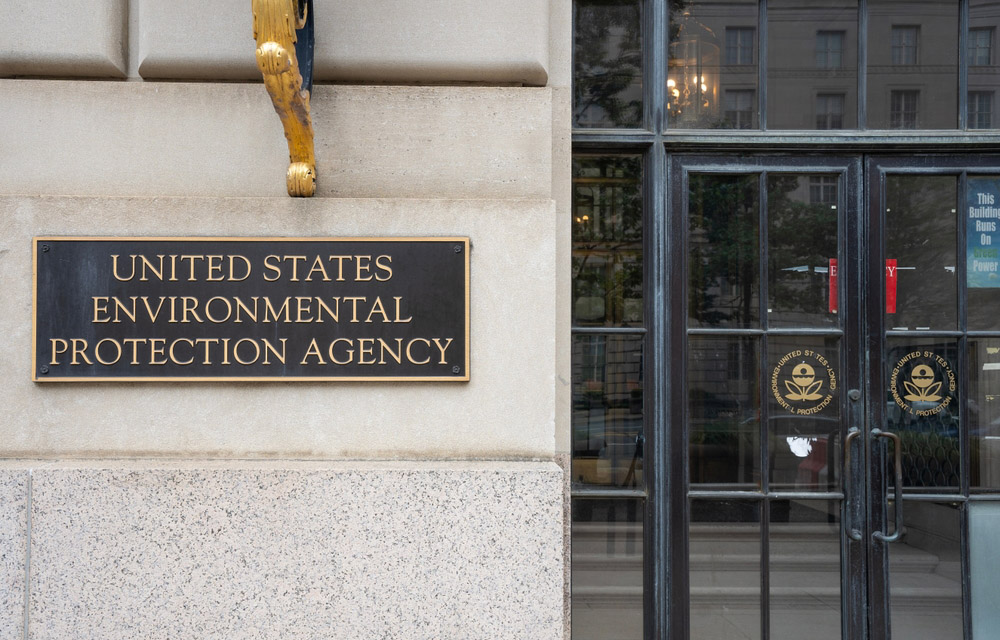
The U.S. Environmental Protection Agency (EPA) has proposed removing a permit requirement for offshore seafood processors, removing restrictions on what they can discharge into the open ocean.
Currently, 79 offshore seafood processors are required to secure a National Pollutant Discharge Elimination System (NPDES) permit under the Clean Waters Act (CWA), which governs the discharge of seafood processing wastes, washdown water, and sanitary wastes into federal waters. The permits generally require offshore seafood processors to grind all seafood processing waste to 0.5 inch or smaller and route it through a waste conveyance and treatment system before discharge. Permits for Alaska processors are more lax, with grinding only required for processors reporting more than 10 million pounds of waste annually and discharging in Stellar Sea Lion habitat. The permits set daily and annual seafood waste volumes and require processors to utilize byproducts.
Discharges are limited to active waters that will disperse the waste.
“Discharges must not create an attractive nuisance for fish or wildlife or pose human health or safety risks, and waters must remain free of objectionable deposits, floating debris, scum, or oils, objectionable color, odor, taste, or turbidity, toxic or injurious substances, and nuisance aquatic life,” the EPA said in a summary of the NPDES general permits.
The administration of U.S. President Donald Trump is working to remove those requirements, allowing the processors to dump waste into the ocean without those limitations or mandatory reporting.
The EPA claims discontinuing the NPDES permit requirement will save offshore seafood processors an estimated USD 1.7 million (EUR 1.5 million) in annual compliance costs. That benefit is expected to be split across 79 current permittees, resulting in savings of nearly USD 22,000 (EUR 19,167) per permit holder. The government also anticipates it will save USD 50,000 (EUR 43,562) in annual administrative costs.
The agency acknowledges the change would limit the government’s ability to manage what those processors are discharging into the ocean, with “possible effects on marine species and receiving-water quality.” The rule would also “potentially” reduce the amount of information available to the public on those discharges, the EPA noted.
“These discharges are currently minimized through best management practices required by EPA’s offshore seafood processing NPDES permits, which would no longer be in place under the proposed rule,” the EPA said. “EPA would no longer collect discharge monitoring data, annual reports, noncompliance notifications, and other related permit data which could reduce the availability of information for public review.”
The agency is collecting public comments on the proposal through 19 October.
