


The Rapidly Changing Future of Selling Seafood at Retail
What the New Executive Order on Seafood Means for Expanding Sustainable U.S. Seafood Production
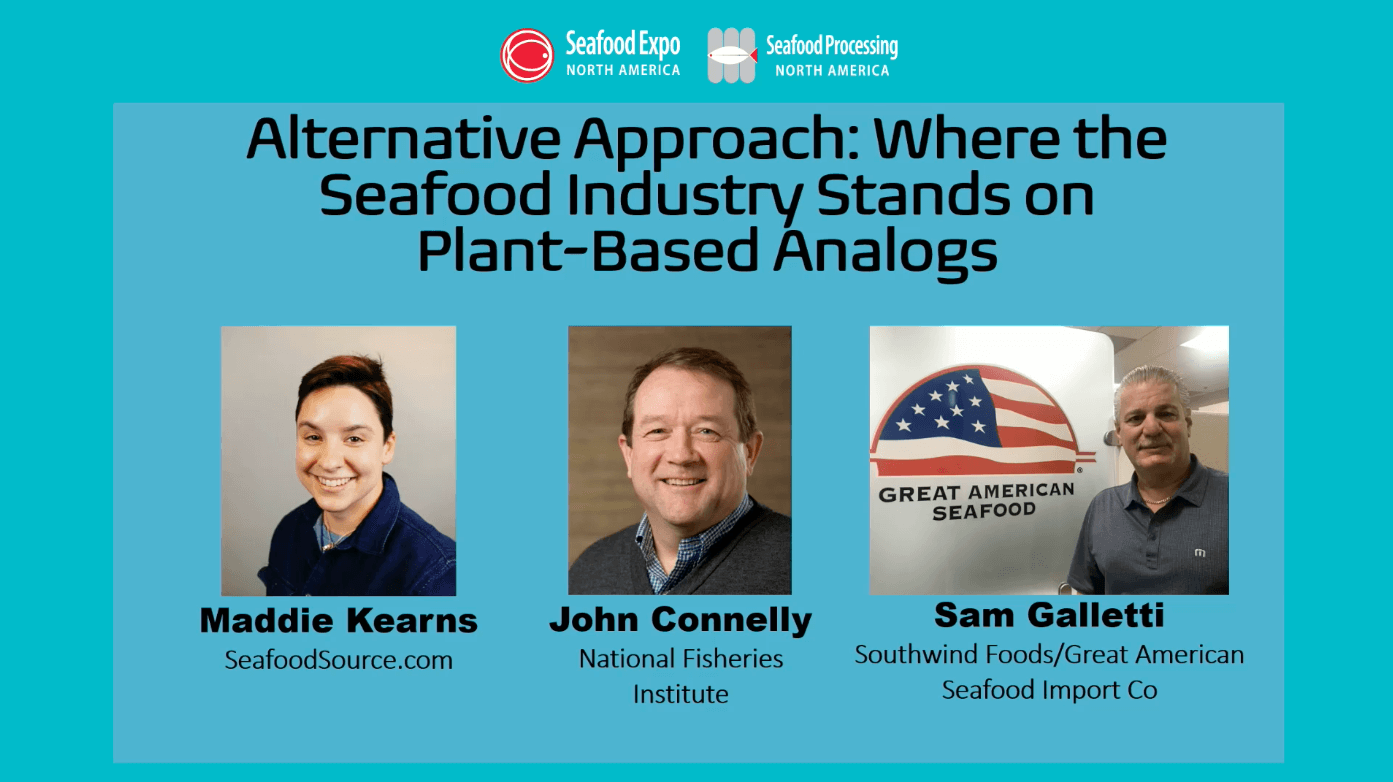
Moderator: Maddie Kearns, SeafoodSource.com
Panelists:
John Connelly, National Fisheries Institute NFI
Sam Galetti, Southwind Foods/Great American Seafood Import Co
Plant-based seafood analog products are proliferating in North America and globally. Some traditional seafood suppliers have looked upon the emerging product segment as an opportunity for new growth, while others in the industry remain skeptical of its classification and positioning in the marketplace. This panel session explores these various viewpoints, from seafood suppliers stepping into plant-based analog product development themselves to those partnering with alternative protein food-makers. How might seafood and plant-based alternatives coexist? Where do the categories connect, and where do they diverge? What kind of labeling is needed for this analog?

Seafood processors are a study in efficiency when producing fillets from raw fish, but "extra" parts such as skin, organs and other body parts are discarded as waste far too quickly. In this webinar, we'll explore what uses exist for these parts, and the opportunities for revenue they offer.
Maine Lobster: A Variety of Products for Any Culinary Occasion
The Strategy Behind Sustainable Seafood Philanthropy – A Briefing for Industry from the Packard and Walton Family Foundations
Reframing the Sustainable Seafood Narrative by Shifting to a "Whole Chain" Perspective
With a growing e-commerce world, some seafood dealers have found lucrative opportunities through popular online retail portals. In this webinar, we'll hear how one seafood dealer managed to extend its reach using a major logistics company to carry its products to a whole new set of customers.
Recovery is well under way from ISA in Chile, and we seem to be turning the corner on EMS in Southeast Asia, but what about the next big biological catastrophe that may be waiting in the wings? Even though we may not yet know what that may be, there’s a surprising amount you can do now to prepare for the next epidemic, and the advice follows guidance on sustainable aquaculture that has been around for some time. In this webinar, we’ll discuss what you can do to plan ahead.
Information management in seafood has become more multimedial to accommodate rapid advancements in the technology sector. Spreadsheets and PDFs are no longer enough - the appeal of complementary media, like digital images, is on the rise and it is influencing industry purchasing decisions like never before. How can seafood sellers best keep tabs on image data and leverage it to enhance operations and sales? Join SeafoodSource and José Castro Fuentes, Director of CYRSE, to explore the power of sharing and archiving images in the seafood realm.
Peterson has 20-plus years of experience in consumer-goods marketing with Gorton’s of Gloucester, where she played a big role in the launch of several new seafood products and lines and Nicholson knows a thing or two about seafood innovation — since 2009, his company has captured four top prizes at two new product competitions — the International Boston Seafood Show’s Seafood Excellence Awards and the European Seafood Exposition’s Seafood Prix d’Elite.
Securing a sustainable future – technological advances in seafood digitalization
The State of FIPs in 2020–A Briefing for Seafood Businesses
How Do We Increase Consumption in the U.S.– Is It Time to Revisit the Idea of a National Seafood Council?
Winning the War for your Changing International Supply Chain
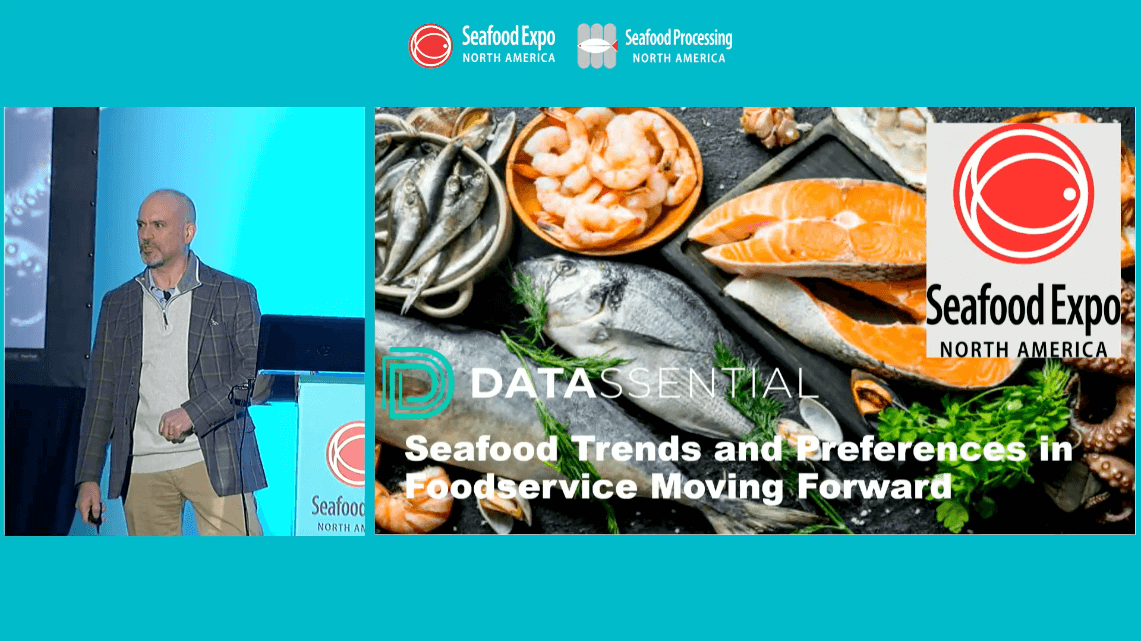
Speaker: Mark DiDomenico, Datassential
Mark will draw from Datassential's extensive resources to examine seafood trends in the U.S. Specifically, he will identify the top and fastest growing varieties of seafood on menus, as well as the corresponding flavors and preparations that are paired with each from Datassential's MenuTrends™ database. In addition, this presentation will highlight consumer ratings for various types of seafood, utilizing Datassential's SCORES™ and Flavor™ databases, indicating preferred varieties and flavors for target demographic groups (Millennials, Gen Z, etc.). The objective of this presentation is to offer up relevant insights that will help conference attendees better understand seafood trends in the U.S. and build more targeted strategies and initiatives for their organizations.
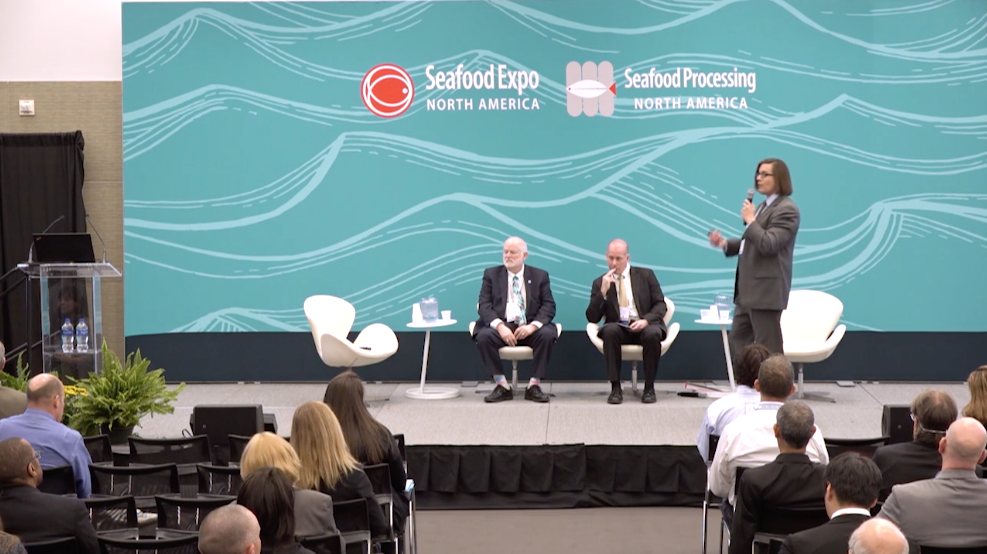
Speakers: Laurel Bryant, NOAA Fisheries; Todd DuBois, National Oceanic And Atmospheric Administration, Office Of Law Enforcement (NOAA OLE); Christopher Robertson, U.S. Customs And Border Protection; Steven Wilson, U.S. National Marine Fisheries Service
SIMP – a key tool in the United States’ response to combating IUU fishing and seafood fraud – has now been in place for more than a year. The recent addition of shrimp and abalone under its monitoring nearly doubled the volume and value of imported fish now subject to U.S. seafood traceability rules. How is it working? What’s next for seafood importers and exporters? The panel, composed of individuals representing the various roles and government agencies responsible for implementation, will present their perspectives on the program’s effectiveness and engage in moderated discussion and Q&A with the audience.
Speakers: Sophika Kostyniuk, Director, Fisheries & Seafood - Ocean Wise Conservation Association; Joseph Chiaravalloti, Director, Product - Seacore Seafood Inc.; David Lancaster, President - Stavis Seafoods, LLC; Shevis Shima, Senior Vice President - Sales/Procurement - Santa Monica Seafood; Mary Smith, Director of Sustainability - Inland Seafood
Session Description: The COVID-19 pandemic has brought monumental challenges to the seafood industry. The seafood supply chain has dealt with inconsistent access to product, border shutdowns, travel restrictions and reduction in staff sizes leading to limited production rates. These challenges have been coupled with restaurant closures across North America greatly diminishing seafood orders for some suppliers, while some retailers are experiencing a mass increase in seafood demand fueling a boost in sales for suppliers able to meet the demand. Previously accessible lucrative international markets were put beyond reach, while in some cases poorly developed local supply chains struggled to make up the difference during this challenging time.
The long-term economic impacts of the pandemic are yet to be fully realized; however, many businesses in the seafood and food services industry have quickly adapted to new business channels. Suppliers and distributors are shifting from traditional B2B operations to direct B2C channels to fill the gap of reduced restaurant orders and capitalize on increasing interest in consumers cooking seafood at home. Meanwhile, restaurants have developed take-home friendly menus in freeze-able and ready-to-serve formats in response to the drop in dine-in customers.
While prioritizing economic sustainability is vital to ensure to survival, it is also important to prioritize responsibly sourced seafood to ensure access to these resources for generations to come. Sea Pact teams up with the Ocean Wise Seafood program in leading a panel exploring the challenges of economic, social and environmental sustainability throughout COVID-19. This panel highlight sustainable seafood success stories and challenges during the pandemic and demonstrate how proper adaptability aligned with sustainable sourcing can help businesses navigate these uncertain waters and evolve industry approaches post-pandemic.
Sea Pact represents key industry leaders promoting access to sustainable seafood options that have made commitments to supporting research and development to continue to build on sustainable forms of seafood production and harvesting. The Ocean Wise Seafood program is Canada’s leading seafood sustainability program. Ocean Wise Seafood works directly with key actors within the seafood supply chain to make access to sustainable seafood simple and ensure sourcing information is readily available to all partners of this program and the wider public.
The seafood industry is a price sensitive, seasonal and specialized market. And it’s becoming even more complex. With business consolidation and industry globalization, having a “cost management” strategy is not enough. Today’s leading seafood companies need a financial management strategy with advanced visibility, accountability, KPIs and real-time reporting throughout the supply chain.
James Griffin, an associate professor of culinary studies at Johnson & Wales University, will share findings from a recent national study on seafood sustainability in commercial foodservice. The study investigated where chefs get their information on sustainability, as well as their opinions of countries of origin and labeling. Griffin’s research suggests that chefs rely more than ever on vendors or suppliers to assure the seafood they purchase is sustainable, in part due to the complexity of seafood sustainability across multiple species and the lack of a consistent definition for what sustainability means when it comes to seafood.
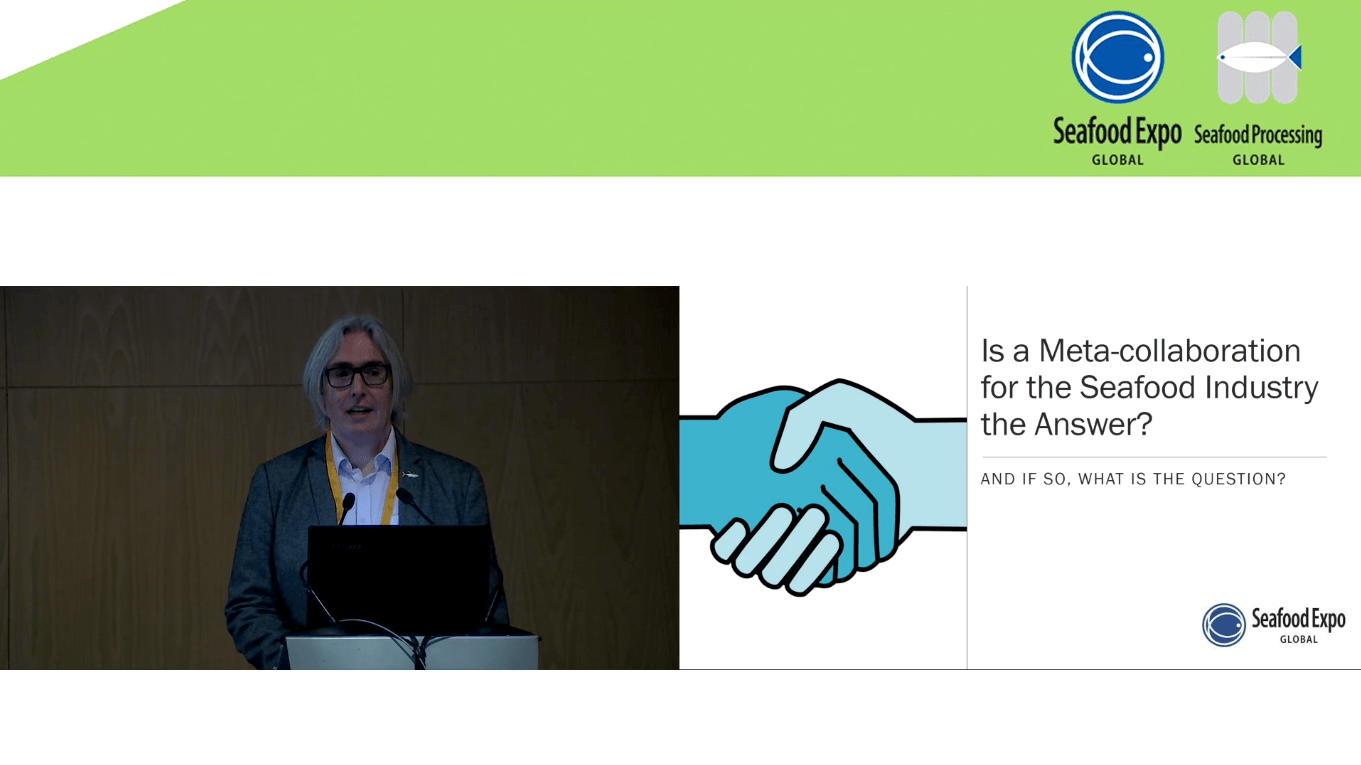
Speakers: Tom Pickerell, Executive Director - Global Tuna Alliance, Martin Exel, Managing Director - SeaBOS, Sam Grimley, Executive Director - Sea Pact, Rob Johnson, Founder/President - Blue Bridge Consulting, Helen Packer, Lead, Seafood Stewardship Index - World Benchmarking Alliance, Andrea Weber, Vice President Corporate Responsibility - METRO AG, Herman Wisse, Executive Director - Global Sustainable Seafood Initiative (GSSI)
"Initiative overload" is commonly heard in seafood circles. There remains a plethora of issues that companies face in ensuring the seafood they sell meets environmental and social responsibility standards, and many programs and tools exist to assist. It feels that may be close to saturation point; feedback from companies supports this and we are at risk of overwhelming those companies looking to make changes. An alternative approach may be to increase collaboration via a 'meta-collaboration' whereby economies of scale can be employed, redundancies eliminated and companies can engage in a more holistic approach. This session explores how such a meta-collaboration could be developed, demonstrates worked examples where a meta-collaboration has been used, seeks feedback from interested companies and offers a new approach to improving seafood sustainability.
The seafood industry in Asia is undergoing a sea change as the continent gains in international prominence. Traditional seafood powers China and Thailand are losing grip on their dominant positions in the marketplace and upstarts including India, Vietnam and Indonesia are gaining market share. Meanwhile, a host of challenges have arisen that threaten to derail the continent’s rise. Join SeafoodSource contributing editors Mark Godfrey, who reports from Beijing, China and Chris Loew, who reports from Osaka, Japan, as they analyze the latest news and trends from Asia and offer predictions for the future of the continent’s seafood industry.
Companies that want to enter and grow in the Asian seafood market attend and exhibit at Seafood Expo Asia, the premium seafood marketplace for Asia. The 7th edition will be taking place 6-8 September 2016 in Wanchai, Hong Kong.
Social issues in the tuna supply chain are at the forefront of discussions about sustainability in the seafood industry, and increasing attention is being paid to working conditions both in tuna processing and within the purse-seiner fleet.
