






Two value-added mackerel products received awards from the Japanese government on 7 March, in advance of the unofficial “Mackerel Day” holiday in Japan.
Mackerel is known as saba in Japan, and “sa-ba” is a play on words in Japanese (“sa” for san-gatsu—March, and “ba” for bachi or eight), giving the government and those involved in selling mackerel products in Japan a tie-in to promote the fish.
Japan’s population is aging and declining, resulting in less domestic demand for seafood. Fishery resources are declining, and the combination has resulted in an economic decline for many of Japan’s port towns.
In an effort to revitalize Japan’s fishing communities by encouraging them to develop more value-added items, Japan’s Fisheries Agency and its Ministry of Agriculture, Forestry, and Fisheries rewarded two seafood firms engaged in mackerel product development.
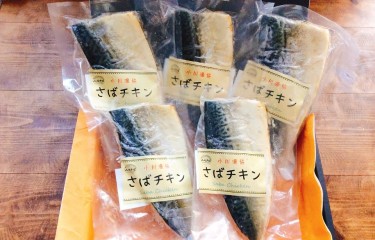
The Ogawa Fishery Cooperative, based in Yaizu City, Shizuoka Prefecture, received the Fisheries Agency Commissioner Prize for its “Mackerel Chicken,” while Kochi Prefecture's branded mackerel "Tosa's Shimizu Saba" won the Minister of Agriculture, Forestry and Fisheries Prize.
Mackerel Chicken doesn’t contain chicken, but is as convenient and easy to use as chicken breast. It is boneless, pre-cooked, vacuum packed and shelf-stable. Its marketing targets working women as prime customers with its “convenient to prepare and easy to eat” tagline. One package sells for JPY 400 (USD 3.75, EUR 3.04), and the cooperative hopes to sell 5,000 packages this year. Thus, the gross sales of this item would be a little over JPY 2 million (USD 18,800, EUR 15,300).
Tosa's Shimizu Saba is blue mackerel (Scomber australasicus), called “goma saba” (sesame mackerel) in Japan. It is produced by the Kochi Prefecture Fishery Cooperative Association’s Shimizu branch office. The fish are line-caught and air-freighted live to the Kanto region, which includes Tokyo and Yokohama, and taken by truck to the Kansai region, which includes Osaka, Kobe, and Kyoto.
The product is a result of encouragement by the Japanese government for different regions of Japan to differentiate and promote their own seafood products through local branding.
