



A ten-year retrospective on progress made in tackling forced labor and human trafficking in Thailand’s seafood sector found dramatic improvements for workers in processing facilities, but those working at sea remain at high risk.
Commissioned by human rights NGOs Humanity United and the Freedom Fund, the PolicySolve report found that Thailand’s seafood sector was subject to intense international exposure from 2014 through 2016, with media and nonprofits shedding light on the prevalence of forced labor and human trafficking in the industry. Titled “A 10-Year Retrospective: Addressing Forced Labor and Human Trafficking in the Thai Seafood and Fishing Industries,” the study looked at the decade from 2014 to 2024 to see how systematic reforms, pressure, and collaboration changed Thailand’s seafood industry to address those labor violations.
“We recognize the importance of long-term, sustained grantmaking as a lever for continuity in addressing the root causes of systemically embedded human rights abuses, as observed in the Thai seafood industry’s working conditions.” Humanity United CEO Srik Gopal said in a release.
Prior to 2014, 80 percent of surveyed workers reported never feeling “free” and faced “deception, isolation, violence, dangerous working conditions, intimidation, long working hours, underpayment, debt bondage, and even murder,” the report found. In processing facilities, workers often worked over 12 hours per day for low wages, and children were employed in peeling sheds. On fishing vessels, workers faced long days with physical violence, lack of food or medical care, and extreme isolation.
Reports on those working conditions helped spur “bold reforms” in the sector, the analysis found, as the nation looked to avoid or remedy economic and reputational consequences for the labor abuses.
“The past decade shows that when global retailers, suppliers, governments, and civil society face serious reputational and financial risk, they can and will collaborate to drive real improvements,” PolicySolve Founder Jewlya Lynn said in a release.
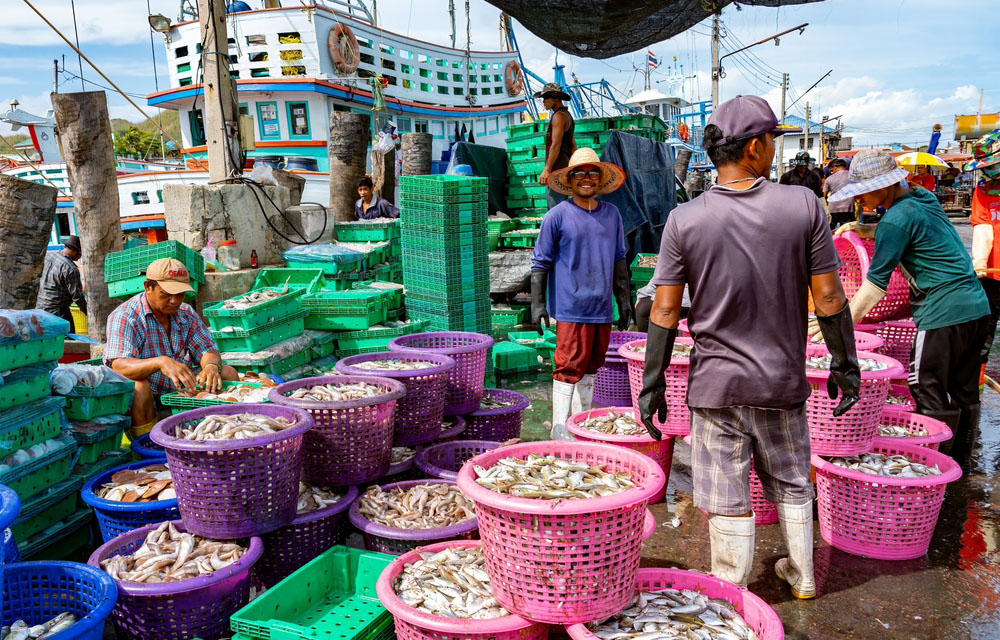
The report found that extreme violence and forced labor decreased over that period, especially in the processing sector, where peeling sheds have been closed down, wages have improved, and violence has dropped. Only 1 percent of workers in the Thai seafood processing sector meet the definition of forced labor, according to the International Labour Organisation.
However, many of the structural risks in the commercial fishing sector remain “largely intact.”
“Overall, though signs of forced labor and human trafficking had decreased from 2014 to just before COVID, signs of forced labor through debt bondage increased again by 2022-2024 to similar levels as before,” the report found, with reports and threats of violence still occurring.
Together, the findings suggest uneven progress in Thailand.
PolicySolve ultimately found that market pressure and collaboration among retailers, Thai suppliers, governments, and civil society drove the reforms that did occur, but further improvements need to be driven by retailers enforcing labor standards in their purchasing practices.
“Thailand shows that change is possible, and that it can come fast, when retailers, suppliers and governments get behind labor standards,” The Freedom Fund CEO Nick Grono said in a release. “But progress is fragile. Unless buyers change how they source, the gains slip away. That's why we pair reform of purchasing practices and regulation with support for workers to organize. The Thai experience proves you need both to break the cycle of exploitation.”
Those purchasing Thai seafood continue to prioritize lower costs over labor standards, the report found, undermining pressure for labor reforms from other areas.
“If we are serious about ending forced labor in global supply chains, buyers must align their purchasing practices with their public commitments,” Lynn said. “Without fair pricing and shared responsibility, reforms will remain fragile.”
