



The European Union has extended flexibilities granted to U.S. fisheries on its catch certification policies, drawing industry praise.
Approved in 2023, the E.U.’s “CATCH” certification requirements are intended to enhance traceability and cut down on illegal, unreported, and unregulated (IUU) fishing by making it harder to import products without highly detailed catch information. That requirement first launched in January, but some of the requirements were slated to go into effect this month.
Now, the E.U. has apparently extended some of those requirement until 30 November, 2026.
“The European Union has extended the use of the Legal Harvest-U.S. certificate until November 30, 2026. This guidance applies only to U.S. wild-caught fish products,” NOAA said on a page outlining catch certificates.
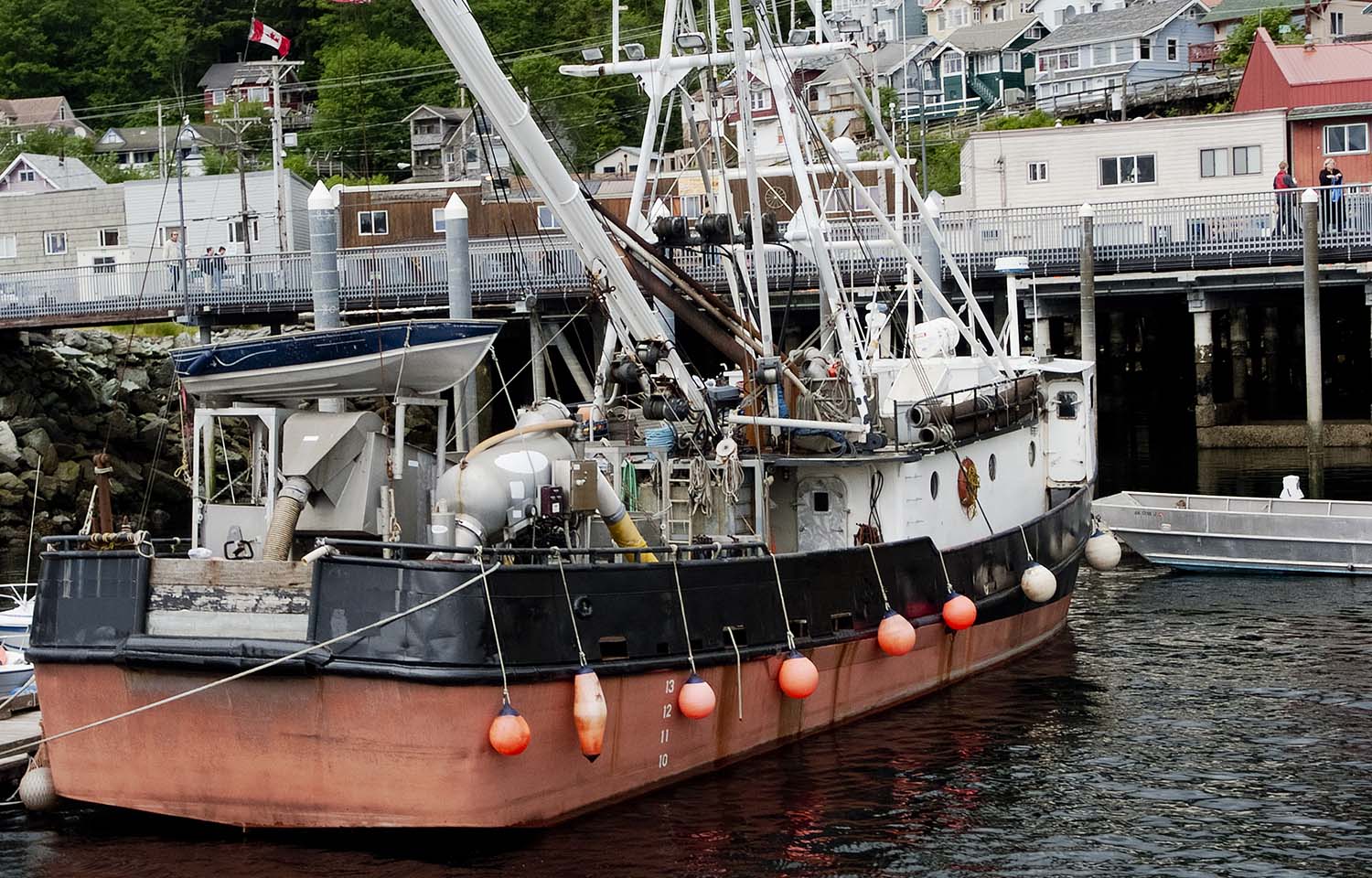
The U.S. seafood sector has raised issues with the E.U.’s new requirements, claiming the way it was being rolled out would impact businesses and cost jobs. The Alaska salmon sector was particularly concerned with the way the CATCH certification worked, as a lot of smaller vessels that aggregate catch before delivering them to processors would likely be rendered unable to export any products to the E.U. under the new rules.
Because the CATCH certification requires any product to track fish from the moment it is caught, any fish aggregated in a tender vessel would lose that documentation and fall outside of E.U. rules.
“There is no sustainability concerns, so the original ask of the E.U. to get a written signature from the captain that moves with the specific salmon that they originally caught – that’s just not a proportionate response to a sustainability concern,” At-Sea Processors Association CEO Matt Tinning said at Seafood Expo Global in April.
There was particular concern given the timing of the Alaskan salmon season, but with the new extension granting a reprieve until November, that fishery should avoid the brunt of the issues.
The National Fisheries Institute (NFI) welcomed the delay.
“NFI has consistently advocated for this extension on behalf of its members, emphasizing the need for a practical approach that reflects the realities of U.S. seafood supply chains while maintaining strong efforts to combat illegal, unreported, and unregulated fishing,” NFI President and CEO Lisa Wallenda Picard said in a release. “The confusion surrounding these requirements has created unnecessary challenges for seafood businesses that simply want to continue providing high-quality, sustainable American seafood to customers throughout Europe. We thank President Trump, Secretary Lutnick, and the dedicated staff at NOAA for their hard work and advocacy on behalf of American seafood companies.”
