






Unexpected power outages battered Ecuador at the end of September, with blackouts lasting up to 12 hours a day.
Ecuador’s National Chamber of Aquaculture (CNA) estimates that if the outages continue, economic losses to the nation’s shrimp sector could exceed USD 5 million (EUR 4.5 million) per day.
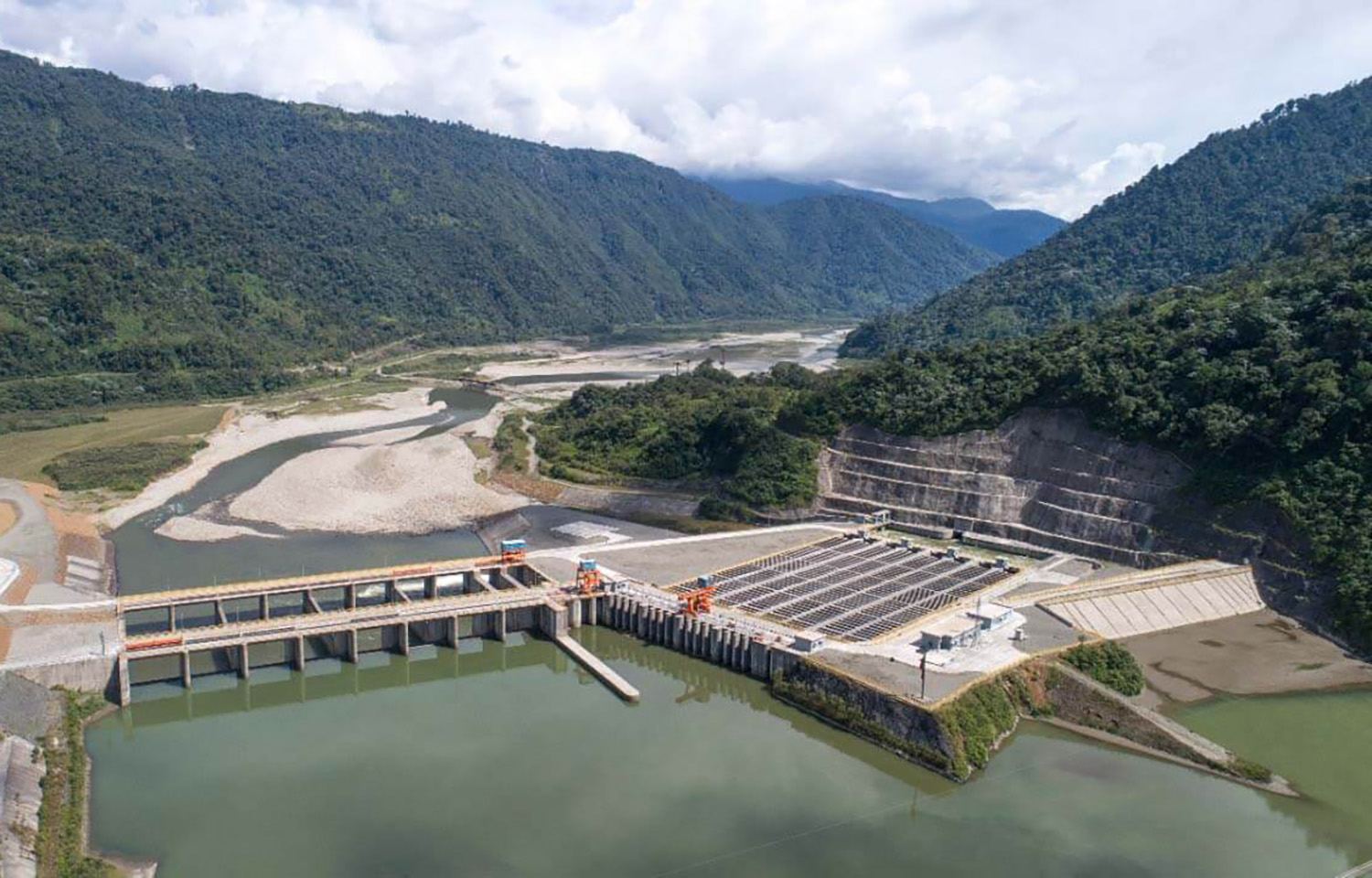
In mid-September, government authorities in the country warned that due to grid shortages, power would be cut throughout the country for up to eight hours per day. Adverse weather conditions have particularly affected areas where the country’s dams are located, according to Ecuador Energy Minister Antonio Goncalves.
This is a massive problem for the country because, according to a report from the U.S. Department of Commerce’s International Trade Administration (ITA), hydropower comprises nearly 60 percent of the energy Ecuador generates.
“The important issue is that the climate is crazy; it has changed a lot,” Goncalves said, according to Reuters. “We depend a lot on hydrology. I can't predict something that only God knows.”
Ecuadorian President Daniel Noboa said at the recent United Nations General Assembly that Ecuador is going through its worst drought in 61 years, affecting those dams upon which the country depends for power generation.
“It's chaos and much worse than expected,” he said.
Electric companies are now announcing that planned cuts will go through Sunday, 29 September; initially, the cuts were planned to run through 26 September, Reuters reported.
“If this scenario continues, the [shrimp] sector could accumulate losses of tens of millions in a few weeks, compromising not only exports but also the domestic production of inputs and the survival of shrimp in pools that depend on electrical systems,” the CNA said in a release.
What makes the outages particularly devastating for the shrimp sector is that they affect the whole production chain.
Shrimp feed manufacturers require a minimum guaranteed time of power supply to be able to switch on their equipment, while the lack of energy at shrimp farms affects water pumping, which, in turn, affects oxygen conditions, putting the survival of the crustaceans at risk.
Further down the chain, lacking a defined power supply schedule prevents shrimp packers from organizing logistics, potentially affecting fulfillment of customer orders. The packers also require considerable energy volumes to process and freeze the shrimp at minus-18 degrees Celsius, which is essential to preserve product quality and meet food safety standards, CNA said.
The chamber specifically requested special treatment for the shrimp-producing subdivisions of Durán and Yaguachi in the province of Guayas. This included calls for authorities to limit power interruptions for the industrial sector to only once a day, minimizing impacts on productivity. It also solicited advance notice of energy restrictions so farms could efficiently plan for them.
At the same time, CNA called on the private sector to adhere to the national government’s plan for parties to inject electricity into the grid. To participate, interested parties must register their generators with distribution companies, after which meters are installed to record private consumption and the energy injected into the national interconnected system. The state will then issue a credit note to cover the generator's operating costs, including fuel and maintenance.
“The chamber reiterates its willingness to work together with the authorities and actors involved in order to find solutions that protect this vital industry for the Ecuadorian economy,” CNA said. “For this reason, we insist that the flow of information from energy sector authorities be improved, hoping that there will be certainty in times of power outages, as well as the approximate duration of this crisis that is already seriously impacting national productive activity.”
Faulty energy supply is not a new issue in Ecuador.
“Ecuador suffers from major challenges in electricity generation and distribution. The government announced electricity rationing in October 2023, with scheduled rolling blackouts," the ITA report said. “Domestic electricity production fell short of demand in 2022 due to long-term droughts and ongoing construction issues at the PRC-built Coca Codo Sinclair (CCS) hydropower plant.”
Meanwhile, Ecuador’s state-owned electricity company CELEC imported electricity from Colombia at a cost of USD 400 million (EUR 359 million) in 2022.
Supplies of electricity have failed to keep up with increasing demand due to delays in bringing renewable and hydropower assets online, according to the ITA.
“Ecuador urgently needs to accelerate new investments in power generation capacity and diversify its electricity sources given a heavy reliance on hydropower. Ecuador is experiencing power generation shortages in 2023, and analysts expect them to extend to 2024,” the report predicted at the time.
