



Chile’s environmental supervisory authority, SMA, has ruled that the Chilean branch of Cooke Aquaculture must partially close two of its salmon-farming centers and has levied fines on the firm totaling CLP 1.38 billion (USD 1.42 million, EUR 1.22 million) for what it has determined were environmental crimes committed by the company.
In its 266-page, 22 August ruling, the SMA outlined nine charges and their resulting sanctions. These included exceeding maximum production, placing structures outside of a designated aquaculture concession area, lacking contingency plans for events such as an oil spill or interaction with wildlife, and more.
As a result of the charges, the SMA ordered Cooke to close parts of its Huillines 2 and Huillines 3 grow-out centers that violated environmental rules. The SMA also levied fines for environmental violations it said occurred at the firm’s Punta Garrao grow-out center.
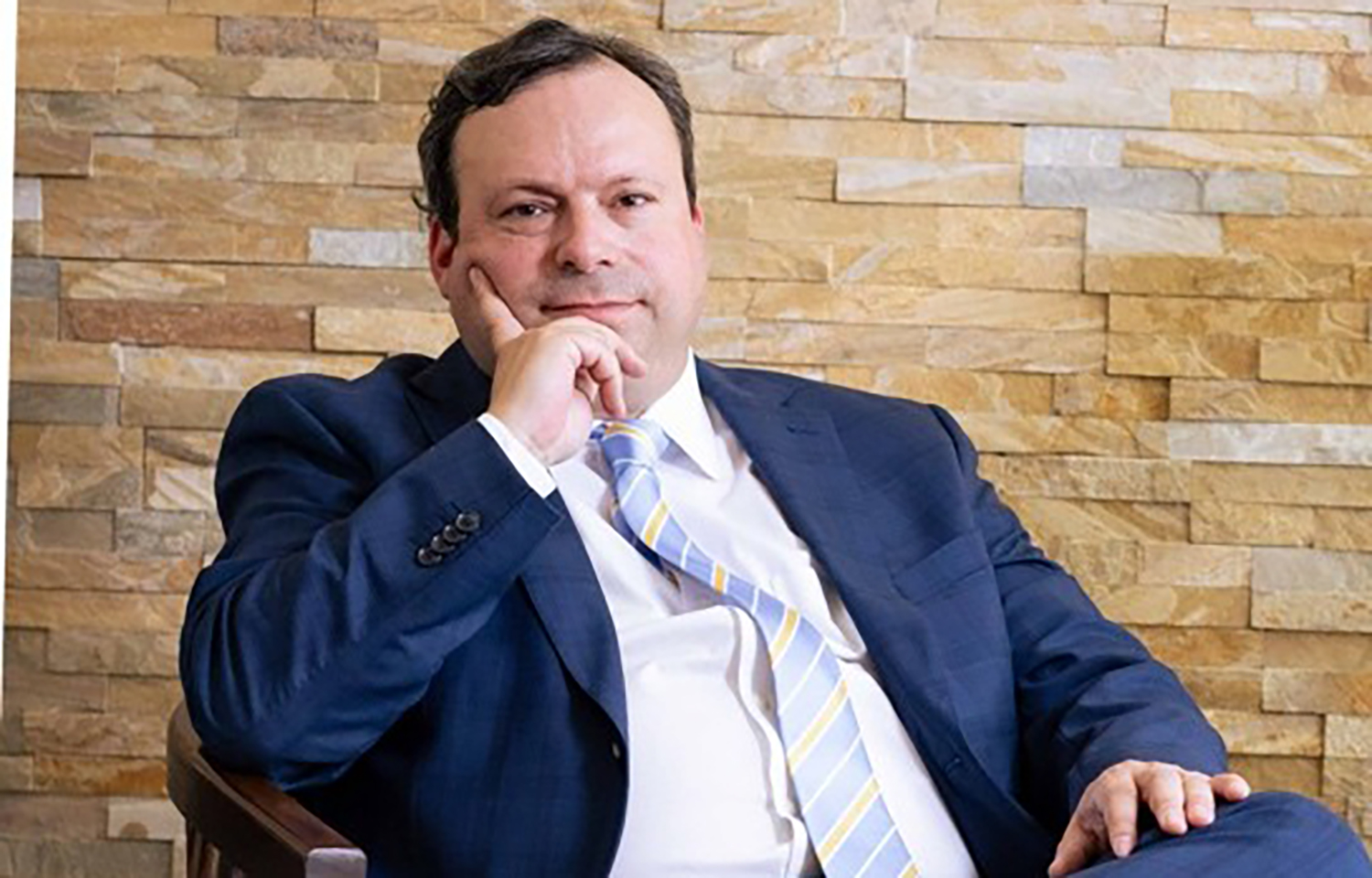
In a series of posts on his LinkedIn profile, Cooke Aquaculture Chile CEO Andrés Parodi said the SMA process against the company was “unprecedented” and “nonsense.”
“Going over the heads of the sectoral authorities, ministries, parliament, laws, and regulations, this same argument could be used to close about 30 percent of the sea concessions in Chile’s aquaculture sector, while the authorities watch and do not act in the face of the arbitrariness of this institution blinded by its unlimited and ideological power,” he said.
In a different post, Parodi called the sanction “abhorrent.”
“We have all the authorizations and approvals to operate, but that doesn't matter to the SMA; they can abuse their power and do whatever they want. They are judge and jury and the new fund collectors for the state. [This is] an abuse,” he said.
Cooke Chile also released a public statement addressing the SMA sanctions, which asserted that the SMA is biased and anti-business; that the grow-out centers the watchdog has ordered to close have operated for several years with no environmental impact; that the company operates with the highest production standards and the SMA has changed its criteria; and that Cooke will appeal the ruling.
“Cooke Chile will exercise all the resources that institutions grant it to face this resolution that we consider expropriatory, illegal, arbitrary, and discriminatory [and], in addition, [is] in breach of the free trade agreement signed with Canada,” it said, referencing where Cooke is headquartered.
The company’s dispute with the SMA dates back to 2021, when the supervisory entity filed charges against Cooke, accusing it of producing salmon at levels beyond its environmental permit and of maintaining some of its concessions illicitly inside the Laguna San Rafael National Park. For its part, Cooke has argued that rules have been changed capriciously since it originally was awarded the concessions in the 1990s.
Nevertheless, claiming imminent risk to the environment, the SMA has issued such past directives as reducing production and placing sanctions on the Huillines 2 and 3 centers.
Cooke has previously asserted that these SMA actions have generated significant economic losses for which it may seek international arbitration.
Chile’s Third Environmental Court recently held a hearing regarding Cooke Aquaculture Chile's complaint against the SMA, and at the hearing, Cooke responded that there was no such imminent risk, that the two farming centers have been operating for 25 years, and that they have never caused damage to the marine environment, with no incidents of contamination, fish escapes, or anaerobic conditions. The company said they meet the required standards, as verified by field visits carried out by SMA-recommended agencies.
Chile’s Salmon Council also presented at the hearing, saying that salmon-farming concessions established before 1997 had no maximum production legally established. Having projects approved within Chile’s Environmental Impact Assessment System (SEIA) for such farms is not required with a concession approved by the Undersecretariat of Fisheries, the organization said.
The SMA rejected these arguments, saying the SEIA was circumvented and that an increase in production greater than 35 metric tons per year must always be environmentally evaluated, as salmon production volumes are closely related to issues including the loss of biodiversity, nutrient changes in the water column, and the risk of fish escape.
The court sided with the SMA.
Since then, Cooke has taken its case to Chile’s Supreme Court.
Cooke Aquaculture entered Chile in 2008 when it purchased Salmones Cupquelán for USD 106 million (EUR 90.1 million). In 2013, it spent USD 20 million (EUR 17 million) to acquire a 54 percent stake in fellow salmon-farming firm Invermar, and in 2017, it purchased a processing plant and offices in Tepual, Chile, from Marine Harvest, allowing it to develop its own processing capacity.
