






Two salmon-farming companies operating in central Chile have become the latest to receive sanctions for alleged overproduction.
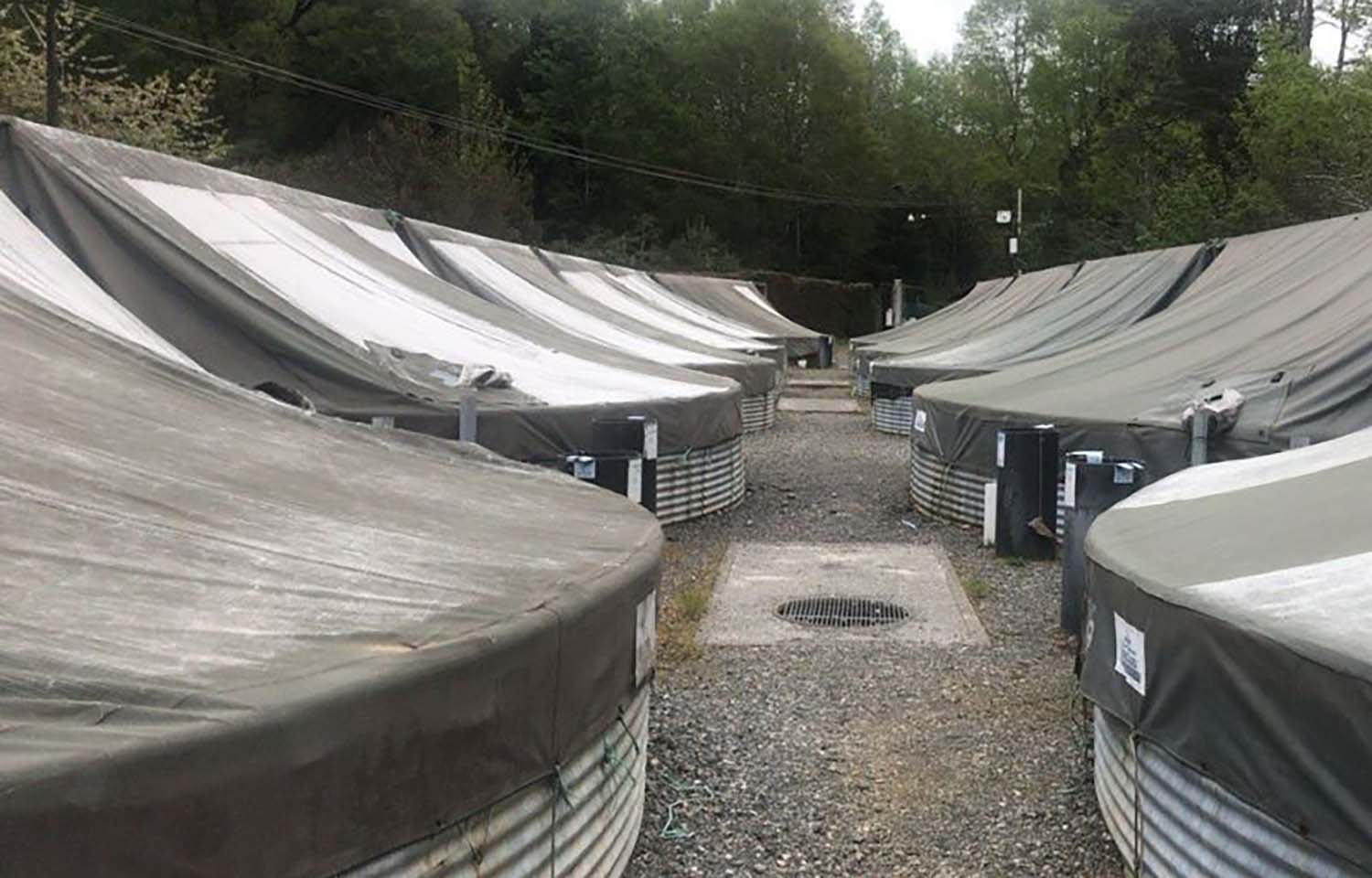
Chile’s Superintendence of the Environment (SMA) has initiated a sanctioning procedure against salmon companies Comercial Agrícola y Forestal Nalcahue and Acuícola e Inversiones Nalcahue, both of which are co-owners of the Chesque Alto salmon farm located in the central region of Araucanía, for significantly modifiying their farms without acquiring the required environmental permits.
The company faces a fine of up to CLP 3.9 billion (USD 4.2 million, EUR 3.9 million), in addition to revocation of its environmental license to operate, or potential closure of the farm, according to SMA.
The case stemmed from 20 complaints – including from Chile's Superintendency of Health Services (SISS), Chile's Environmental Evaluation Service (SEA), and Chilean citizens – reporting foul odors, water and soil contamination, and the implementation of an unauthorized effluent treatment system.
In response, the SMA, together with the National Corporation for Indigenous Development (Conadi) and the General Directorate of Water (DGA), carried out field inspections and requested information Sernapesca, from the country’s seafood authority, on both companies’ annual fish-farming production in recent years.
The Chesque Alto farm has permission to produce 42 metric tons of coho salmon, Atlantic salmon, and rainbow trout annually, but it exceeded the authorized production multiple times, the SMA alleged. In addition, Chesque Alto expanded farming infrastructure by adding more ponds and changed its industrial wastewater treatment without permission from environmental authorities.
Besides allegedly violating or not acquiring proper permits, the salmon-farming operation endangers the indigenous Mapuche communities’ ancestral culture, as well as the area’s tourism ventures that depend on the purity of the water from the Nalcahue and Los Quiques estuaries, according to environmental NGO Fima.
The owners have 10 business days from the formulation of charges to submit a compliance program and 15 days to formulate their defense.
The announcement comes as increased governmental and environmental scrutiny has been placed on the country’s salmon industry.
Chile’s Environment Ministry recently presented a bill to reform the Organic Law of the Superintendence of the Environment (LOSMA) to bolster SMA capabilities. Specifically, the initiative seeks to strengthen environmental oversight and sanctions, in addition to advancing a model that allows for streamlined decision-making, setting clear rules for all stakeholders, and providing more efficient and timely responses to environmental non-compliance.
Strengthening environmental institutions is a key initiative for Chile’s government, Environment Minister Maisa Rojas said.
“The reform will allow us to care for people and the environment, providing certainty to all actors,” she said. “It seeks to provide better tools that allow the SMA to act more efficiently and effectively, improving oversight and promoting compliance.”
In turn, SMA head Marie Claude Plumer said the reform “proposes a much-needed regulatory design change for the institution and addresses the great demand on the SMA and an undisputed urgency.”
“Specifically, the … initiative is a significant advance in improving the current environmental oversight and compliance model, with a focus on environmental risk and proportionality, which will ensure greater effectiveness and efficiency,” she said.
Aligning with larger governmental goals, the SMA has ramped up its enforcement of salmon-production and stepping up environmental monitoring of operations. At the beginning of the year, it warned the salmon industry to follow the law when it comes to environmental stewardship.
Emphasizing this message, the SMA sent its first mass notification of the year to owners of 223 salmon grow-out centers regarding their ongoing production cycles, reminding each center of its estimated production to date and its maximum authorized limit.
A new SMA-created system, which uses an algorithm to estimate centers’ production cycles, has streamlined the monitoring process for the Chilean government.
