

Chinese aquaculture company Yantai Jinghai Marine Fisheries Co. plans to harvest 2,000 metric tons (MT) of Best Aquaculture Practices (BAP)-certified rainbow trout this year.
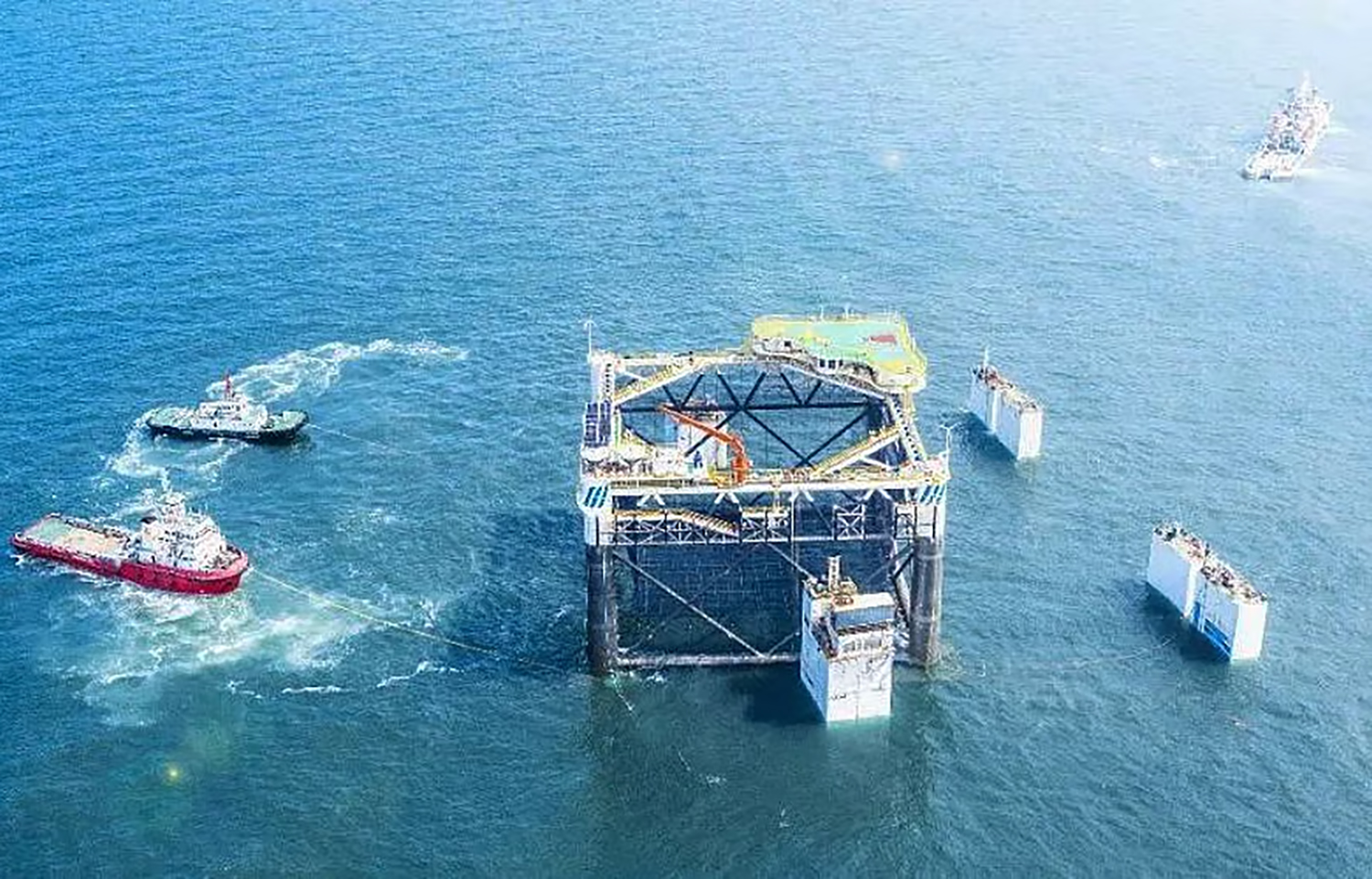
Of the 2,000-MT total, the company confirmed 1,500 MT will come from its mariculture platforms off the coast of Shandong province, and 500 MT will come from land-based recirculating aquaculture operations.
Yantai General Manager Guo Fuyuan said his company’s first batch of seawater-farmed rainbow trout entered the market at the end of May, and the firm will continue with larger batches as the summer progresses.
“We will officially start to produce fish in large quantities from early June to mid-to-late July,” Guo told local media after inviting 100 academics and the head of BAP’s certification program in China to the deep-sea aquaculture facilities operated by Jinghai. “Leading the deep-sea aquaculture revolution is Jinghai's responsibility and mission. In the future, Jinghai will continue to drive the marine economy with technological innovation and safeguard the sustainable development of the blue ocean with responsibility.”
This push for increased production comes as China has recommitted to efforts aimed at bolstering the country’s mariculture output.
“We will actively develop open-sea and deep-sea aquaculture and implement countywide trials on green and circular aquaculture,” a recent report published by the Chinese National Development and Reform Commission (NDRC) and sent to the National People’s Congress said earlier this year.
The report also emphasized that its efforts to strengthen domestic food production is part of a larger plan to reorient China’s trading relationships away from Western economies.
Also helping with Yantai’s operations is the fact that a majority of seafood buyers in China are willing to pay extra for products certified by authoritative third-party auditors, according to another recent report.
That report, written in collaboration with the Global Seafood Alliance, which operates the BAP certification, found that over 90 percent of the 3,400 Chinese participants surveyed said they were willing to pay a premium for sustainably certified aquatic food, “presenting opportunities for product differentiation based on safety and environmental sustainability credentials.”
