



Demand for land-based aquaculture technology from China is rising rapidly in the North African country of Algeria, according to a Guangzhou-based supplier of recirculating aquaculture systems (RAS).
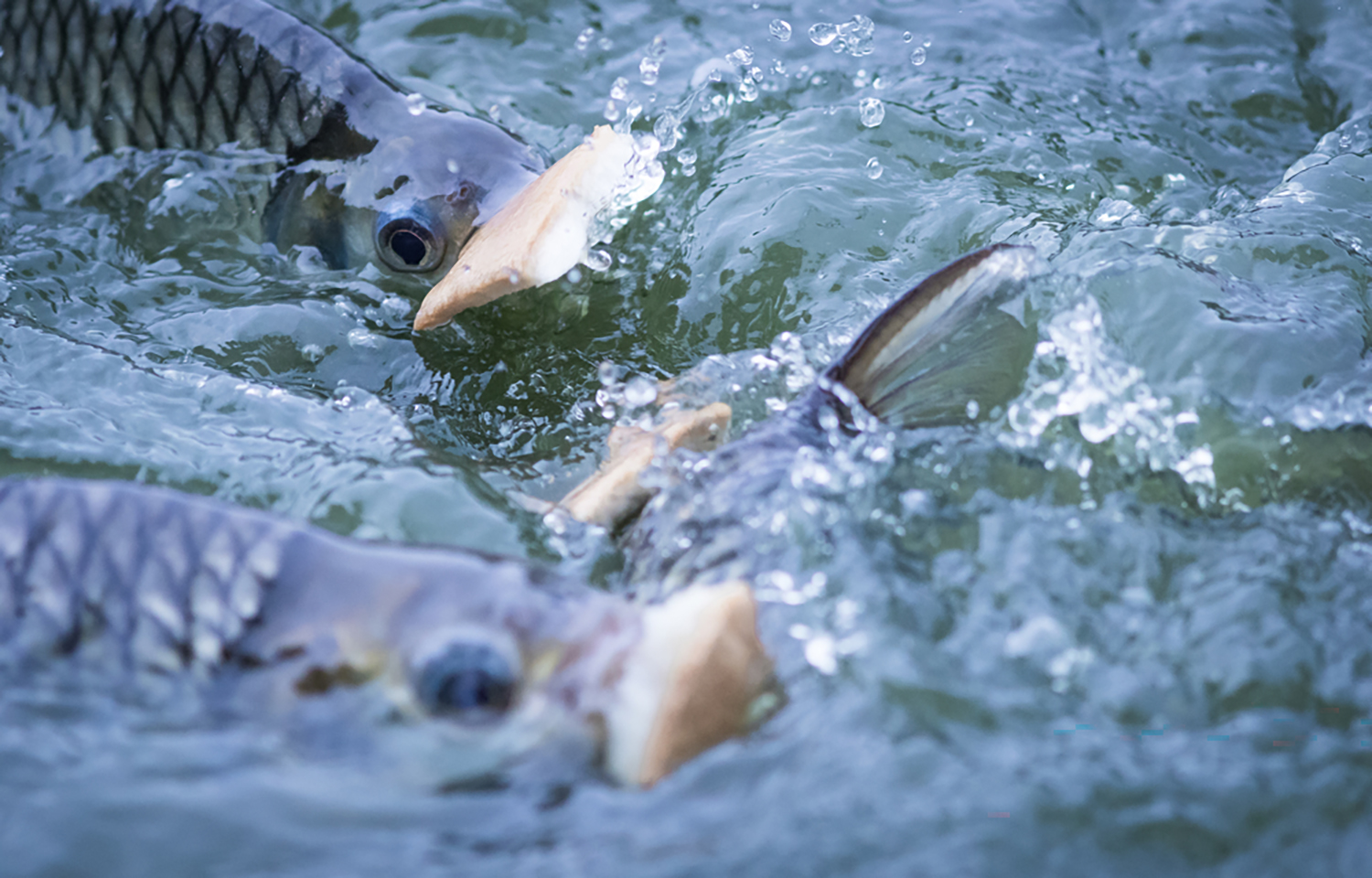
Marcel Verbrugge, the director of aquaculture technology firm Dahui Aquaculture, told SeafoodSource that Algeria has become an especially lucrative market for exports of Chinese aquaculture equipment, mainly focusing on the inland farming of tilapia.
“At this moment, the Algerian government is giving the same support as Saudi Arabia gave to aquaculture in its Vision 2030. Algeria’s government wants to boost agriculture and modern fish farming because of a scarcity of water,” he said. “The government gives facilities for investors like bank loans and financing 90 percent of the project without any interest if the money is returned within five years.”
Dahui is one of several Chinese companies exporting RAS technology to buyers in Africa and is involved in aquaculture projects in the Lake Victoria area of Kenya and a large catfish and tilapia project in Zambia.
“China’s aquaculture, especially indoor aquaculture, is expanding, and there is also a lot of research going on,” Verbrugge said. “But, China is not where the focus is at the moment; there is a complete new region in modern agriculture and aquaculture in Africa.”
Growth of Chinese exports to Africa has occurred in part because they’re typically cheaper and faster than their Western competitors, according to Jonah van Beijnen, the founder of Hong Kong-based fisheries and aquaculture consultancy firm VB Consultancy who advises clients in Africa and Asia.
“Western RAS suppliers, in general, tend to be rather pricey. It often takes considerable time to get your order placed, and they prefer to sell you complete packages and service agreements that often make little sense in a place like Africa,” he said.
Additionally, the structure of Chinese companies allows for greater efficiency, according to van Beijinen.
“There tends to be a single guy at the top who makes the decisions and below him or her are the field guys that get your stuff and install it,” he said. “Middle management is mostly absent.”
Nevertheless, some challenges remain in working with Chinese suppliers, according to van Beijinen, including lapses in after-sales service and understanding Chinese manuals and signs on equipment.
Nevertheless, the growth potential of African aquaculture as a whole has attracted global attention, with panelists at the 2026 Blue Food Innovation Summit hailing it as one of the most significant growth opportunities over the coming decades due to its combination of strong domestic demand, favorable natural resources, and growing investment.
