






Puerto Montt, Chile-based salmon-farming firm Ventisqueros has gotten the green light from environmental authorities to advance a proposed USD 68 million (EUR 58.6 million) aquaculture project.
According to documents submitted to Chile’s Environmental Impact Assessment System (SEIA), the project modifies, modernizes, and improves an existing aquaculture project located in Ralún in the Los Lagos region, moving the project 700 meters south and closing an existing plant in the process.
The new Cuyamco plant will be much larger, according to the documents, with a much higher production capacity than its predecessor.
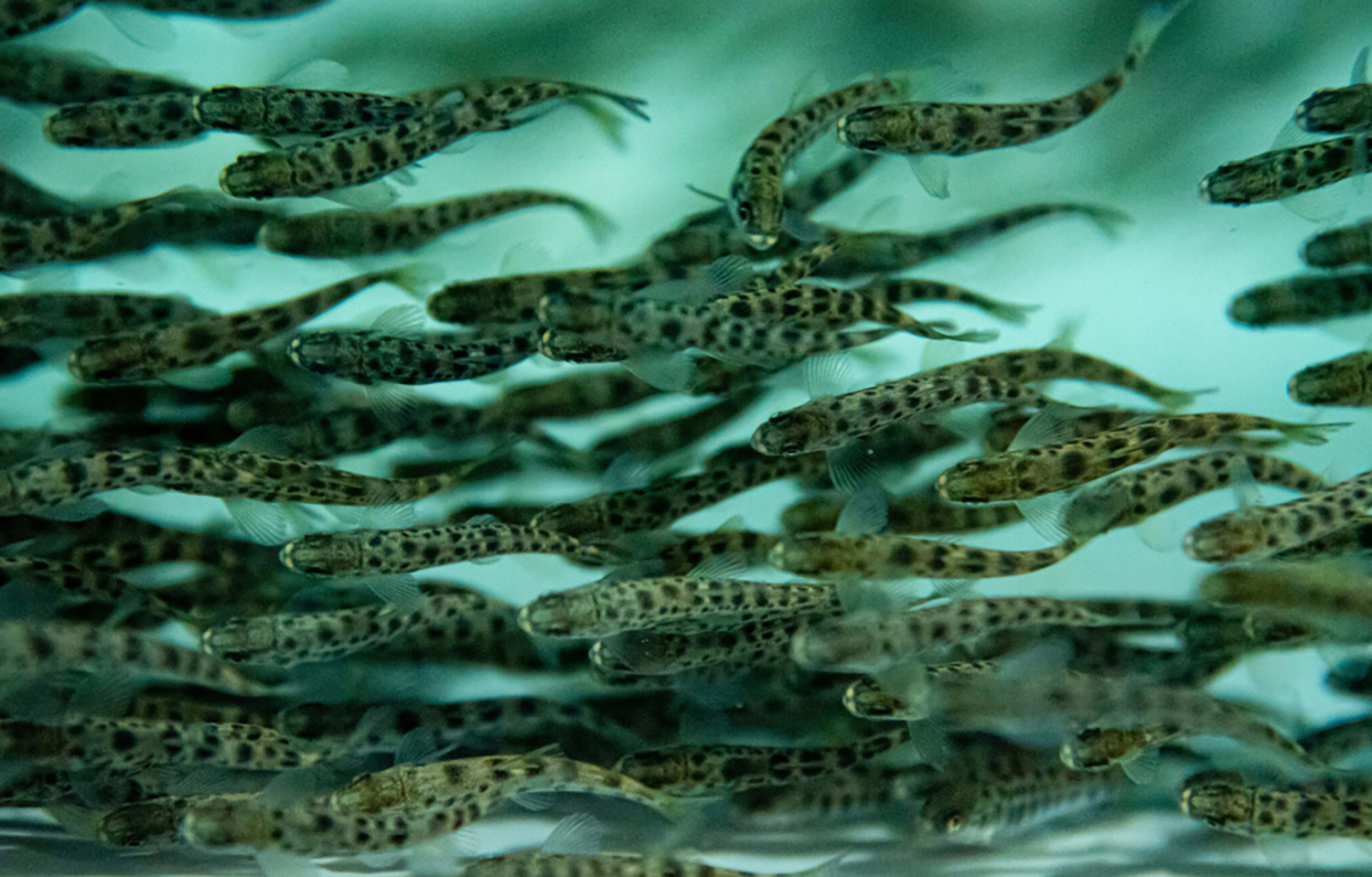
The structure will be expanded from 1,515 square meters with 12 metric tons (MT) of annual production capacity to 17,983 square meters and the ability to produce 1,440 MT per year of smolts, which will be produced in four annual batches.
The project will also use recirculating water, heavily reducing the requirements for water used when compared to the open-flow system employed at the existing Cayetue plant.
Additionally, Ventisqueros highlighted the low pollution the project is expected to generate thanks to an advanced water treatment system.
Production wastewater will be accumulated in two interconnected ponds, each possessing a mechanical agitator to prevent the sedimentation of retained sludge. The sludge would then pass through disc filters, pneumatic pumps, and centrifugal equipment for dehydration before passing through a rotary filter. Then, it would converge with clean waters from the overflow of the recirculation systems and be discharged into the waters of the Reloncaví River.
The emphasis placed on low pollution and water usage marks the continuation of Ventisqueros’ goals to decarbonize, innovate, and diversify its production.
Last year, in order to further reduce its carbon footprint, it incorporated the use of certified biofuel in its salmon export shipments. Previous to that, the company launched E-Site, a fish-farming center that operates 100 percent on certified renewable energy. It is the first such center in the Southern Hemisphere, the company said, and it expects to expand the use of clean energy in more centers moving forward.
