






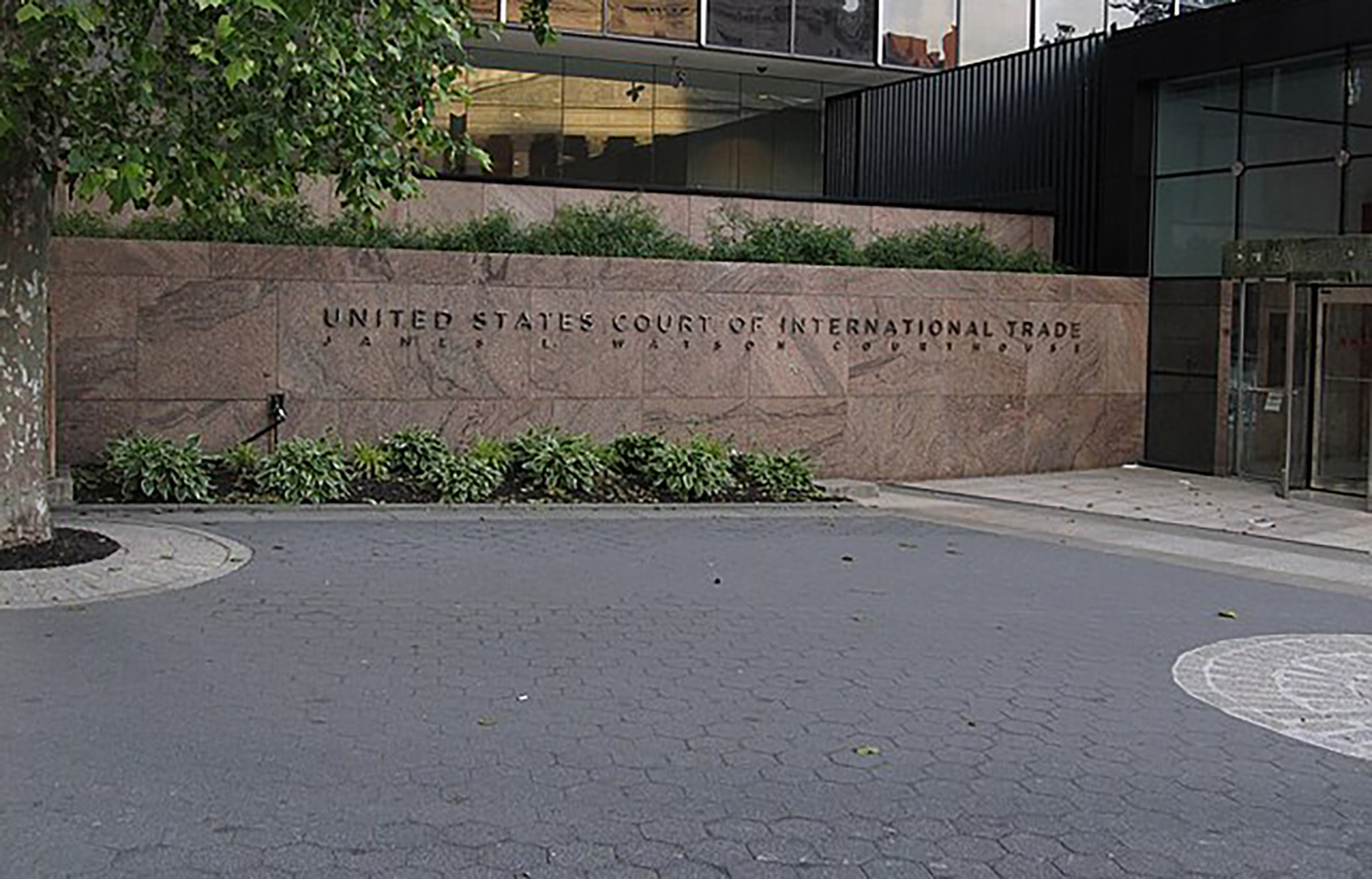
A few weeks after seafood import firm Netuno USA sued the administration of U.S. President Donald Trump, U.S. Customs and Border Protection (CBP), and other relevant government entities, Bumble Bee Foods is filing a similar lawsuit, alleging that tariffs Trump has imposed are unlawful and unconstitutional.
San Diego, California, U.S.A.-based Bumble Bee Foods said in a complaint against the U.S. and CBP recently filed in the U.S. Court of International Trade that Trump has illegally invoked the International Emergency Economic Powers Act (IEEPA) to impose “new and substantial tariffs” on goods imported from “nearly every foreign country, including countries from which plaintiff sources its imports.”
Bumble Bee said it has continuously paid the added duties since the tariffs came into effect but did not reveal the total amount it has paid. Additionally, Bumble Bee’s attorneys declined to comment, and the firm did not immediately respond to a request for comment from SeafoodSource.
The company did, however, say it is filing the suit now because the entries for which the supplier paid tariffs will begin to liquidate and become final as a matter of law by 31 January 2026, with CBP advising importers that it will not be extending that deadline.
“Plaintiff seeks relief from the impending final liquidations to ensure that its right to a complete refund is not jeopardized (and to that end intends to file a motion for a preliminary injunction to suspend liquidation),” Bumble Bee said.
Fort Lauderdale, Florida, U.S.A.-based Netuno was the first seafood supplier to sue the U.S. government over the matter on 5 November.
The importer and supplier, which sources its seafood primarily from Brazil, Ecuador, Panama, Mexico, Indonesia, China, and India, said IEEPA is an unlawful mechanism to justify import duties on several countries.
“The national emergencies declared by the president do not constitute ‘unusual and extraordinary threats’ within the meaning of IEEPA,” Netuno said. “Instead, they rest on ordinary economic conditions – such as trade deficits and foreign competition – that have existed for decades and cannot plausibly justify emergency action.”
The government’s actions have caused and will continue to cause “substantial harm to American importers, including Plaintiff, who are required to pay unlawful duties, alter established supply chains, and absorb economic losses as a direct consequence of measures imposed without Congressional authorization,” Netuno’s complaint said.
After tariffs were first implemented, Netuno’s landed costs “increased sharply and without warning,” the company’s complaint added.
A variety of other food suppliers and retailers that are likewise concerned about the liquidation deadline have filed similar lawsuits.
For instance, per NBC News, Issaquah, Washington, U.S.A.-based club store retailer Costco is seeking a “full refund” of all duties under the IEEPA paid as a result of Trump's executive order back in April that imposed what he termed “reciprocal tariffs.”
Costco has also not revealed how much the duties have cost the company, but importers have paid nearly USD 90 billion (EUR 77.5 billion) as a whole under tariffs backed by the IEEPA, according to CBP data through late September.
All of these lawsuits have come as the U.S. Supreme Court is actively hearing a case that claims Trump’s use of IEEPA as a method of enacting tariffs is unlawful, following U.S. legislators in both the House of Representatives and Senate filing an amicus brief opposing the tariffs on 27 October.
If the Supreme Court rules in favor of the plaintiffs, there is potentially billions of dollars “with interest” that CBP will need to refund to companies that have been impacted, Vinicius Adam, an attorney with VAdam Law in Fort Lauderdale, which filed the complaint on behalf of Netuno, told SeafoodSource in November.
Adam added that Bumble Bee's and Costco's complaints have shown that all links along the supply chain recognize the importance of acting quickly.
"Bumble Bee’s filing is significant because it signals that upstream suppliers closest to the production side are no longer willing to absorb the uncertainty surrounding the IEEPA tariffs," he said. "
