



New Zealand King Salmon (NZKS) posted a loss in the six-month period ending 31 July 2025 as biological issues hampered the company’s performance.
NZKS saw a drop in its revenue from contracts with customers, which fell to NZD 94.4 million (USD 54.4 million, EUR 46.5 million) in H1 2025, down from NZD 101.7 million (USD 58.6 million, EUR 50.1 million) in H1 2024. Drops in revenue came with drops in profits, as its gross profit in H1 2025 ended in a loss of NZD 12.7 million (USD 7.3 million, EUR 6.2 million), down from a gain of NZD 21.6 million (USD 12.4 million, EUR 10.6 million) in H1 2024. Net profit after tax also dropped to a loss of NZD 20.8 million (USD 12 million, EUR 10.2 million), down from a gain of NZD 6 million (USD 3.4 million, EUR 2.9 million).
The company said the drops in profit were largely related to non-cash adjustments related to a fair-value write down of some of its biological assets. Compared to H1 2024, when then company saw a fair value gain of NZD 33.9 million (USD 19.5 million, EUR 16.7 million) on its biological assets, it instead lost NZD 17.2 million (USD 9.9 million, EUR 8.4 million) in H1 2025.
“The half-year results have been impacted by challenging biological performance, with subdued feed outs and slightly elevated mortality impacting our salmon available for harvest and sale,” NZKS Chair Mark Dewdney said in a release. “As a direct result of these impacts the Board made the difficult decision in May to reduce the harvest for FY25 (Sept), to allow our biomass to recover.”
NZKS’s biological performance resulted in lower harvest volume, lower average harvest weight, worse feed conversion ratios, and a lower closing livestock biomass.
Due to the lower harvest rates, sales in H1 2025 were disrupted by supply constraints, with the issues being most prevalent in its foodservice sales. As a result sales in the New Zealand market were down due to a lack of fresh salmon availability. Sales also remained flat to its European markets, and, and decreased in its Asian markets excluding China.
While the fresh market in New Zealand and its markets in Europe and Asia were poor, the company said its demand was strong in other key markets, including the North American, Australian, and Chinese markets.
Dewdney said the company has taken efforts to stabilize its biological performance, and feed out rates and growth rates are “back on track” and the biomass has resumed building.
“Despite the challenges of this financial period, the Board remain confident that current actions will provide further mitigations to production challenges, and the progression of the company’s growth plan will secure a bright future,” he said.
NZKS CEO Carl Carrington said the company already has initiatives underway designed to strengthen the company’s core business and mitigate the performance challenges that it faced in the six-month period.
“These include implementing a summer feed diet which will improve summer performance, improve health and reduce mortality; breeding for resilience, continuing our selective breeding for thermotolerance and summer survival,” Carrington said. “Kicking off construction of pilot Recirculated Aquaculture Systems (RAS) at Tentburn, which we are very confident will improve smoltification outcomes, reducing early runting.”
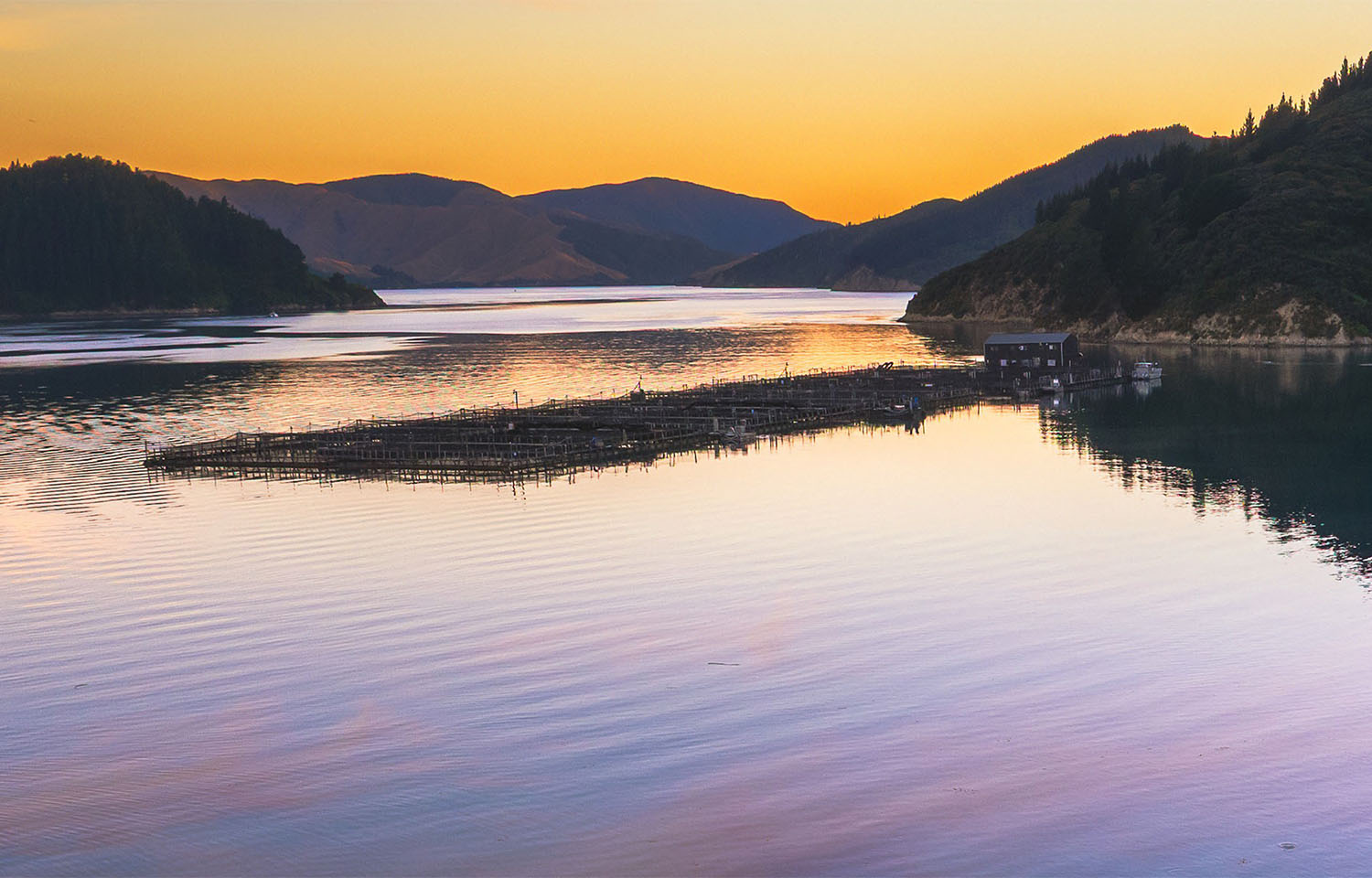
He also highlighted the company’s efforts to launch its Blue Endeavor open ocean pilot farm. Blue Endeavor gained regulatory approval in 2024, and NZKS recently purchased a new processing site in Cloudy Bay in Blenheim, New Zealand as part of the pilot.
“Our confidence remains around the long-term growth opportunities for NZK. Our direction of travel has not changed,” Carrington said. “Rather, the emphasis on certain initiatives has increased, sequencing is shifting in response to new circumstances, and certain investments are accelerating.”
