


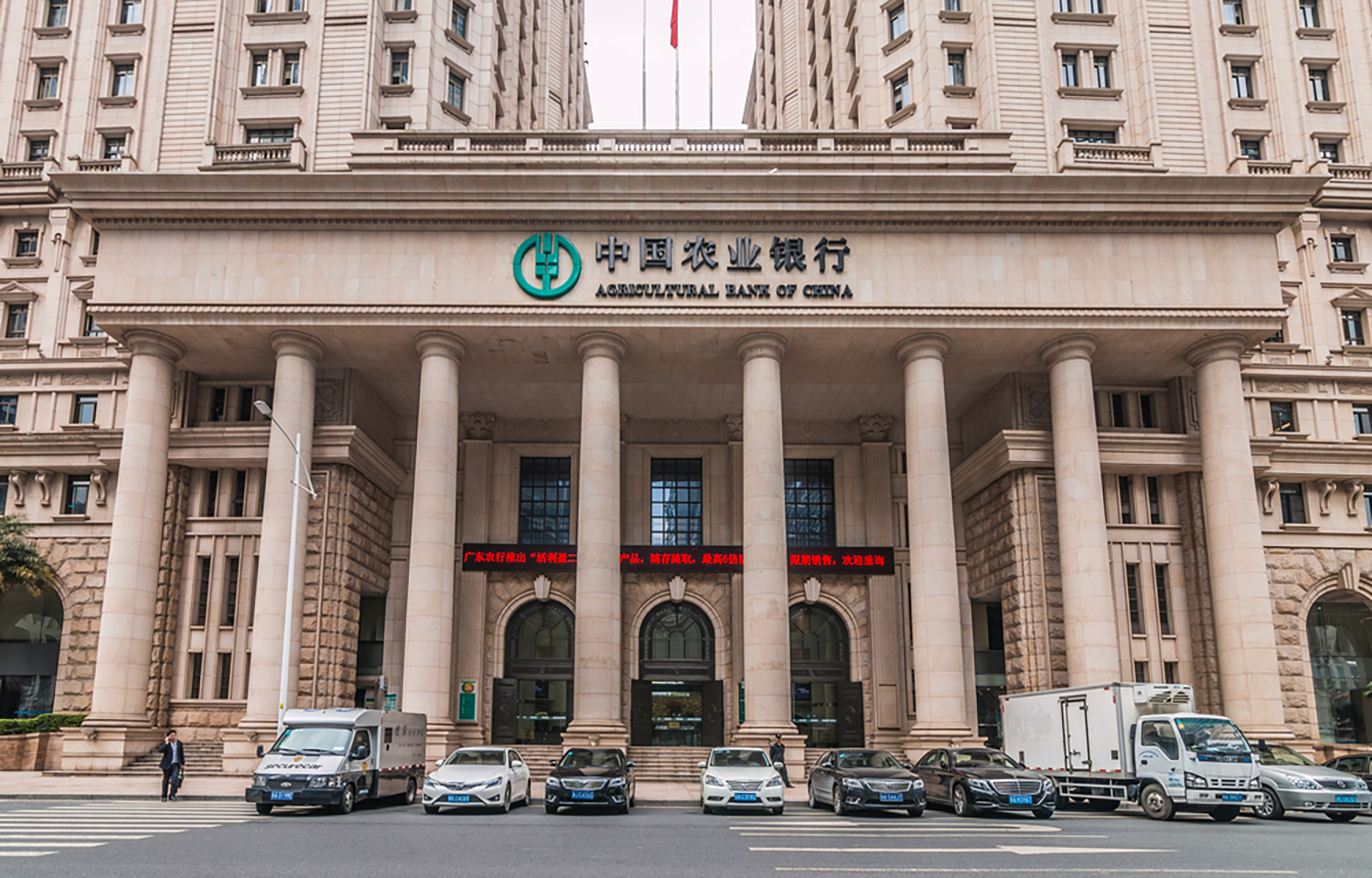
The Agricultural Bank of China, which possesses assets worth around USD 6 trillion (EUR 5.2 trillion), has signed a mariculture partnership agreement with the Guangdong Haifa Group, a subsidiary of the Guangdong Port and Shipping Group.
Under the deal, the bank will provide financing worth CNY 10 billion (USD 140 million, EUR 120 million) to Guangdong Haifa that will go toward expanding regional mariculture production and the development of related industries.
The Guangdong provincial government added in an announcement that Guangdong Haifa will build a modern mariculture demonstration park in the province, as well as warehouses and logistics facilities to service the park.
More specifically, Guangdong Haifa will invest CNY 4 billion (USD 56 million, EUR 48 million) of the total financing pool between 2025 and 2027 to build a “full industrial chain” for the mariculture industry, comprising seedlings, breeding, equipment, and processing.
Separately, Zhanhang Group – another subsidiary of Guangdong Port and Shipping Group – signed a financing cooperation agreement with the Guangzhou branch of the Agricultural Bank of China, which will provide CNY 278 million (USD 56 million, EUR 48 million) in credit support for the “China Seafood Capital” tourism project that is being promoted by the municipal government of Zhanjiang.
The latest deals are part of a concerted push by Chinese state and provincial governments over the past few years to grow the nation’s mariculture output.
Among several projects aimed at achieving that goal, Senhai Mako Marine Science and Technology Co. recently transformed a nearly 20-year-old cargo vessel into a mobile salmon farm.
Alan Cook, who has served as the COO of New Zealand King Salmon and the managing director of Mowi Canada East, told SeafoodSource in early September that the Zhedai Yuyang 60001 may be just one of many similar vessels to come that offer an easily replicable alternative to land-based fish farming.
“These vessels are far more cost-effective to develop than land-based salmon farms – likely half the cost per kilogram of production – so if the land-based guys can appeal to shareholders, I'm not sure why these projects wouldn't,” he said.
Elsewhere along the Chinese coast, state-run shipyard firm Shandong Caixin Wanzefeng Marine Technology completed its first harvest of Atlantic salmon grown in its Sea Granary 1 farming system off of Rizhao in the Yellow Sea last year.
Additionally, Qingdao-based, state-owned Guoxin Development Group has farmed yellow croaker grown aboard its Guoxin 1 aquaculture vessel since March 2022. Three years after that vessel’s launch, the company introduced an updated 150,000-metric-ton (MT) version and has plans for several more to follow.
