


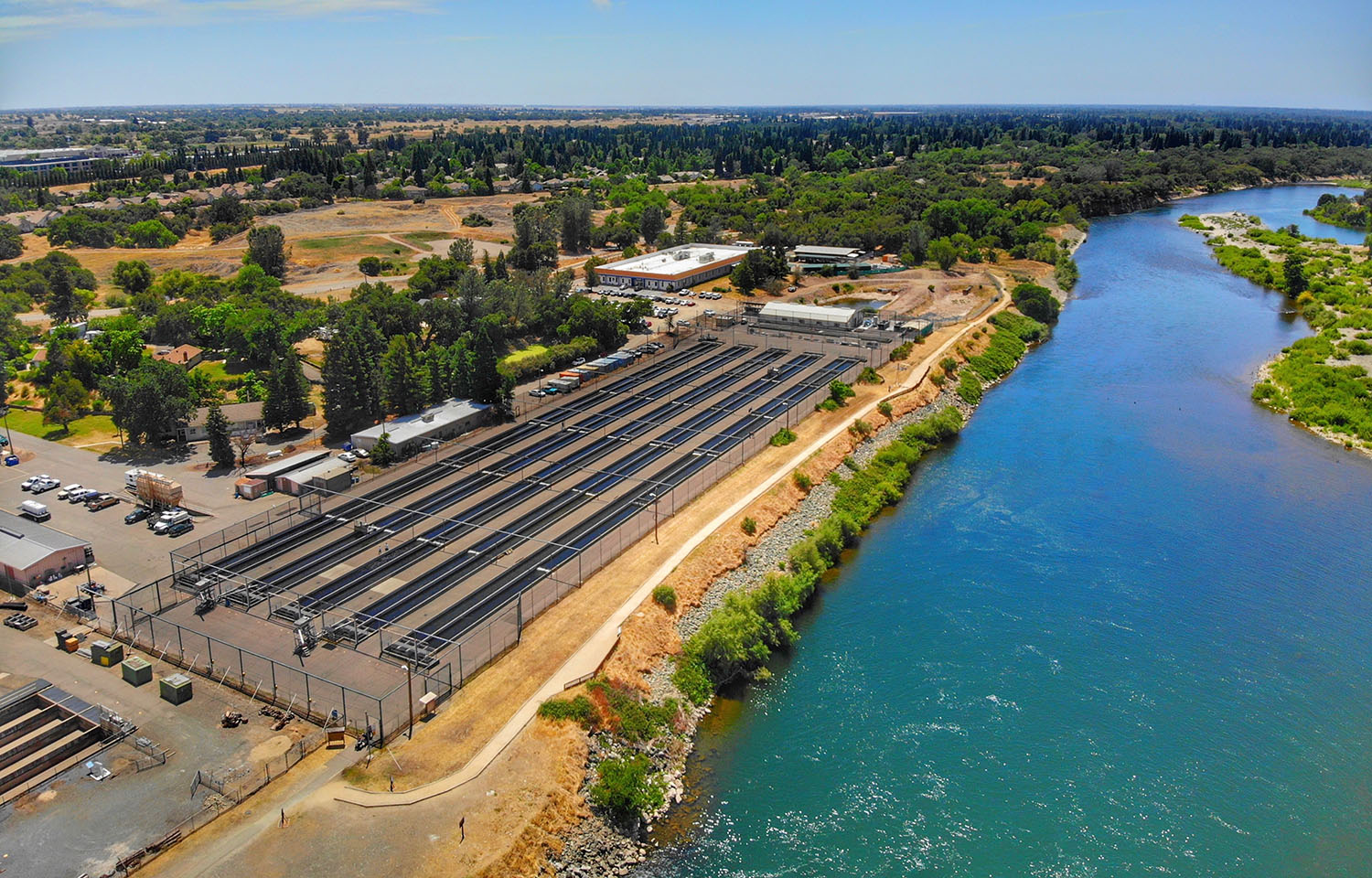
The U.S. state of California has decided to cut production at one of its main salmon hatcheries in response to a drop in federal funding for the facility.
The Nimbus Hatchery on the American River was established to offset the loss of salmon habitat caused by the building of the Folsom and Nimbus dams. The hatchery is technically owned by the federal Bureau of Reclamation (BOR), which provides funding to the California Department of Fish and Wildlife (CDFW) to operate the facility. However, the bureau is slashing its financial support, providing just USD 2.5 million (EUR 2.1 million) for the current fiscal year, according to the Daily Kos.
“This is below the USD 3.16 million [EUR 2.7 million] required to maintain historical production levels and falls short of meeting federal mitigation obligations under the Fish and Wildlife Coordination Act. Exacerbating the problem, budget reductions are compounded by increasing production costs, tariffs, and inflation. To give an idea of cost, fish food alone can exceed USD 500,000 [EUR 428,000] annually at standard production levels,” CDFW Spokesperson Steve Gonzalez told the publication.
In order to adapt to the lost funding, operators plan to cut fall-run Chinook salmon smolt production by 50 percent this year to 2.25 million fish. Steelhead trout production will also be halved, with the facility producing just 215,000 fish.
With commercial salmon fishing in California closed for the third straight year, the state has relied on hatchery operations – as well as habitat restoration – to help the struggling stocks recover. According to Gonzalez, Nimbus provides between 7 percent and 30 percent of the regular ocean salmon harvest.
Conservation and industry groups have slammed the federal government’s funding decision, claiming that the cuts will have a long-term impact on California’s salmon population.
“The loss of millions of juveniles from Nimbus would be devastating for the state’s struggling salmon industry, as well as the communities that depend on salmon,” Golden State Salmon Association (GSSA) Executive Director Scott Artis said in a release. “It’s crazy that [the Department of Government Efficiency] is apparently making this illegal and reckless cut that threatens fishing jobs. We work on salmon issues every day, but we’ve not met anyone from DOGE trying to understand our issues. Decades ago, the American River produced 200,000 adult salmon. Today, as a direct result of the Folsom Dam, it produces a tiny fraction of that. If any change is needed, Nimbus production should be increased, not cut.”
Advocates also pointed out that many of the costs behind hatchery operations – such as maintenance, utilities, and staffing – remain constant regardless of how many fish the facility is producing.
“My understanding is that once you pay for the infrastructure and staff to run a salmon hatchery, the difference in cost between producing 2 million and 4 million fish is not great. We’re talking about pennies per fish. DOGE cutting salmon hatchery funds is akin to cutting FDA food inspectors. It’s a thoughtless, reckless action that harms large parts of society, in this case, salmon communities and families in California,” GSSA board member John McManus said.
In May, California announced it was shutting down its smallest hatchery operation – The Mad River Fish Hatchery – due to the high costs of complying with federal regulations.
