



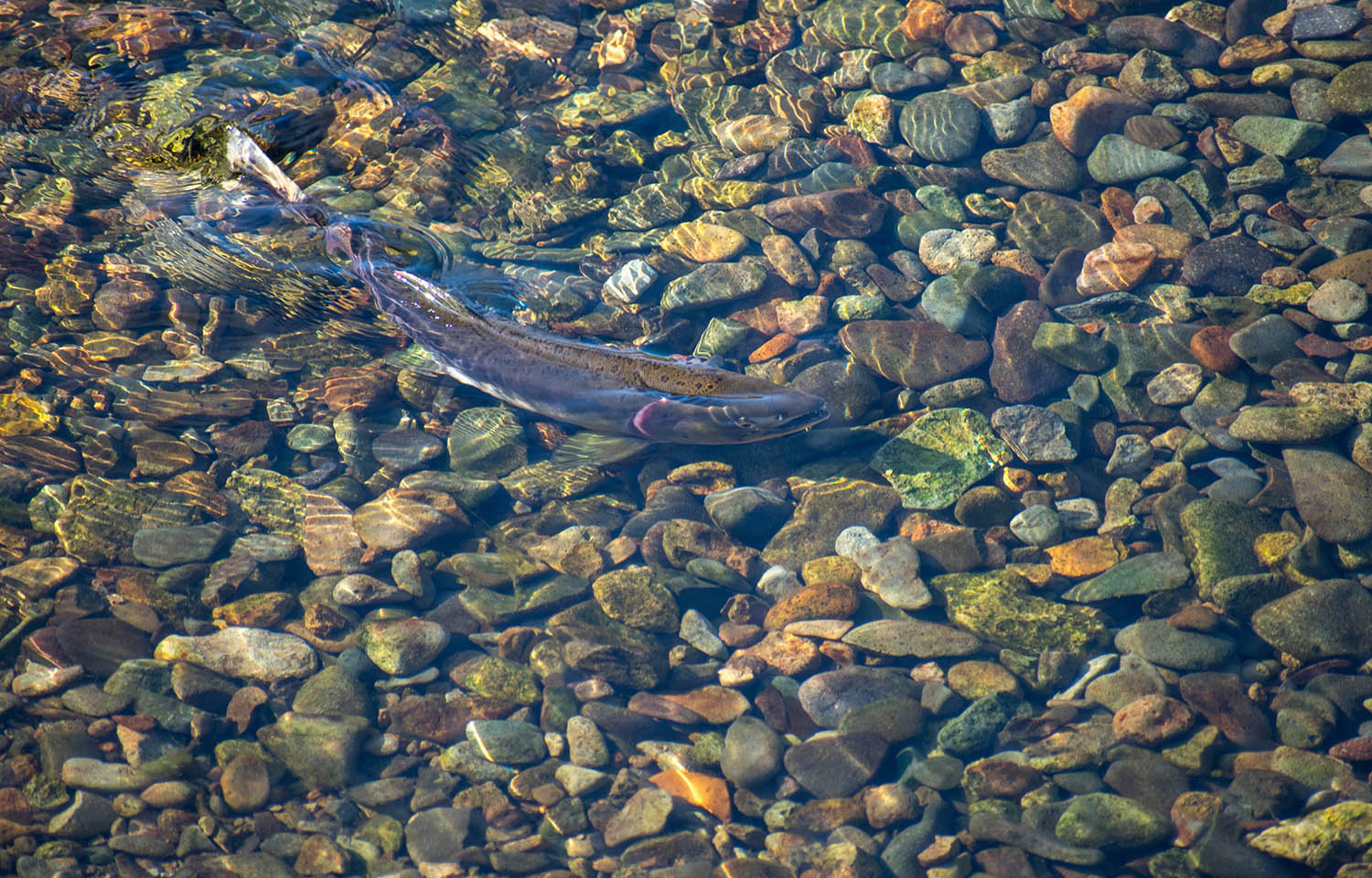
The U.S. state of California’s commercial salmon fishery will remain closed for a third year in a row due mostly to low abundance fall Chinook runs in both the Klamath River and Sacramento River.
“A third year without fishing is a serious blow to California’s commercial salmon fleet,” Pacific Coast Federation of Fishermen’s Association President George Bradshaw said in a statement. “We were optimistic about a return to salmon fishing for California’s fleet, but the reality is the low abundance and return estimates will not provide the economic impact we need. The risk of fishing this depleted population is simply not worth the reward.”
On 15 April, the Pacific Fishery Management Council (PFMC) released its recommendations for U.S. West Coast salmon fisheries, which closed all ocean commercial salmon fisheries south of Humbug Mountain in Oregon through California to the U.S.-Mexico border starting in mid-May.
“This year’s West Coast ocean salmon fisheries were developed through close collaboration among the council, its advisors, fishery stakeholders, and the public,” PFMC Executive Director Merrick Burden said. “The adopted seasons reflect the valuable input we received from fishing communities – balancing their needs and priorities with the critical goal of giving struggling salmon populations a chance to recover.”
The PFMC first closed California’s commercial fishery in 2023 due to plummeting salmon populations.
“A host of factors have pushed these iconic and important fisheries to the point of collapse, including prolonged and historic drought, severe wildfires, impacts to spawning and rearing habitat, harmful algal blooms, and ocean forage shifts and associated thiamine deficiency,” California Lieutenant Governor Eleni Kounalakis stated in a request for federal financial support. “Extreme climate disruption is compoundig these factors and is now testing the resiliency of our salmon.”
In February, PFMC announced the 2024 Sacramento River and Klamath River fall Chinook salmon runs were smaller than forecast, indicating that a return of commercial salmon fishing in 2025 was unlikely.
Limited recreational salmon fishing will be allowed in 2025, which California officials have welcomed, but they also acknowledged it did little to make up for a third straight year without commercial fishing.
“After years of full closure for salmon fishing, the opportunity for limited recreational salmon fishing brings hope. We know, however, that this news brings little relief for California’s commercial salmon fisheries,” California Department of Fish and Wildlife Director Charlton Bonham said. “Salmon populations are still recovering from severe drought and other climate challenges and have not yet benefited from our consecutive years of wet winters and other actions taken to boost populations. I’m deeply appreciative for the partnership of the fishing community in rebuilding these impacted populations and in fighting together for the future of salmon in California.”
California Governor Gavin Newsom adopted the California Salmon Strategy for a Hotter, Drier Future in 2024 to help guide the state’s efforts to support salmon recovery; in March, the state claimed it had made substantial progress on implementing the strategy, with 67 percent of the projects outlined in the strategy actively in development and 26 percent already completed.
