


Fall Chinook salmon runs in 2024 in the Sacramento River and Klamath River watersheds in the U.S. state of California were far smaller than expected, according to new data from the Pacific Fishery Management Council (PFMC).
Regulators forecast a fall run of more than 180,000 adult chinook salmon returning to the Sacramento River Basin in 2024, but the PFMC’s recently published review of West Coast fisheries estimated a run of fewer than 100,000 fish.
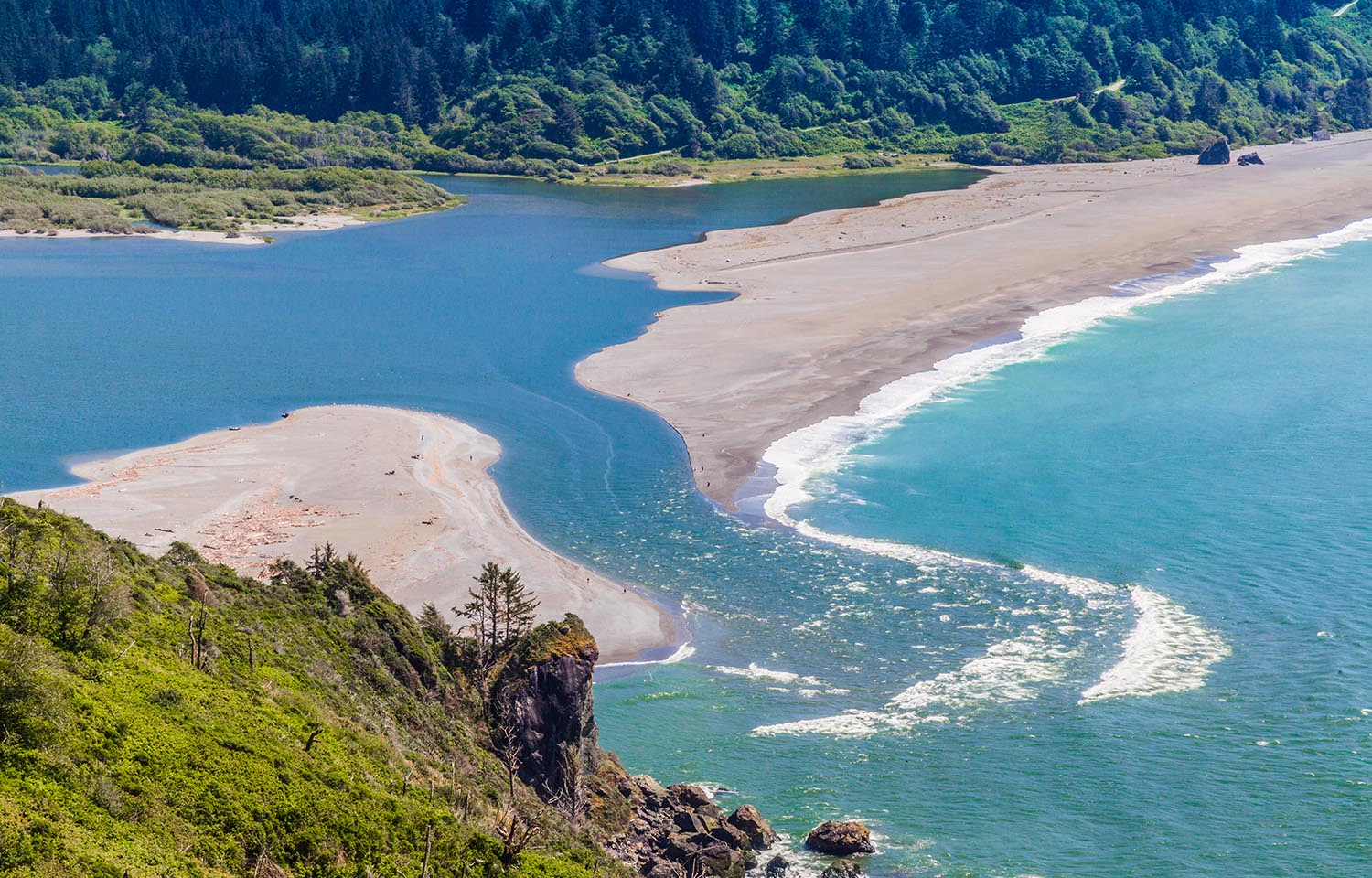
The Klamath River fall run also underperformed the pre-season forecast. According to the PFMC estimate, only 36,568 adult fall chinook returned to the Klamath River in 2024 compared to a prediction of 65,138 adults.
California salmon runs have been impacted by several environmental and climate-related challenges.
“A host of factors have pushed these iconic and important fisheries to the point of collapse, including prolonged and historic drought, severe wildfires, impacts to spawning and rearing habitat, harmful algal blooms, and ocean forage shifts and associated thiamine deficiency,” California Lieutenant Governor Eleni Kounalakis stated in a request for federal fishery disaster funding last year. “Extreme climate disruption is compounding these factors and is now testing the resiliency of our salmon.”
The PFMC and California Fish and Game Commission voted to cancel its salmon seasons for the past two years, and the most recent numbers don’t bode well for the fishery in 2025.
The California government requested USD 47 million (EUR 45.6 million) in federal funding to compensate commercial and recreational fishers and businesses for the lost revenue from the Klamath River and Sacramento River fisheries being closed in 2024.
In December 2024, the U.S. Department of Commerce determined that a fishery disaster had indeed impacted the fisheries, but it has yet to reveal how much federal funding the state will actually receive. California officials were left frustrated after receiving only USD 20.6 million (EUR 20 million) in fishery disaster funding for the 2023 seasons despite requesting USD 35.3 million (EUR 34.3 million).
Some salmon conservationists blame state policies championed by California Governor Gavin Newsom for actively hindering salmon restoration. Following the release of the PFMC review, the Golden State Salmon Association put out a statement blaming Newsom’s water policies – such as diverting fresh water to support industrial agriculture – for preventing salmon from recovering.
“These salmon numbers are yet another reminder of the incredibly negative impacts of Governor Newsom’s water policies on salmon families,” Golden State Salmon Association Scott Artis said in a statement. “Simply put, it’s grim for people, jobs, fish, and our rivers. The governor has made it clear that salmon in our oceans, salmon in our rivers, and local salmon on the back decks of boats and restaurants that feed families and support tens of thousands of jobs is acceptable collateral damage for the continued diversions of enormous quantities of water required by unsustainable industrial agricultural operations.”
“We will know that the governor is actually serious about helping salmon and fishing families when he finally abandons his extreme water diversions and salmon-killing projects,” he added.
Newsom released a Salmon Strategy for a Hotter, Drier Future in 2024 to focus state funding on restoring salmon populations in the state. The plan laid out priorities and specific actions needed to help salmon populations recover. The state has spent millions of dollars on restoring salmon habitats.
“Salmon are an integral part of our shared history in California,” Newsom said in announcing the strategy. “Some of my youngest memories were of seeing the iconic fish up close with my father when I was growing up – an experience all Californians deserve. We’re doubling down to make sure this species not only adapts in the face of extreme weather but remains a fixture of California’s natural beauty and ecosystems for generations to come.”
The state has worked to open watersheds that have been closed off to salmon for decades; in 2024, four dams were removed from the Klamath River, opening up new habitat to salmon.
The PFMC will meet in March to finalize its review of U.S. West Coast fisheries.
