






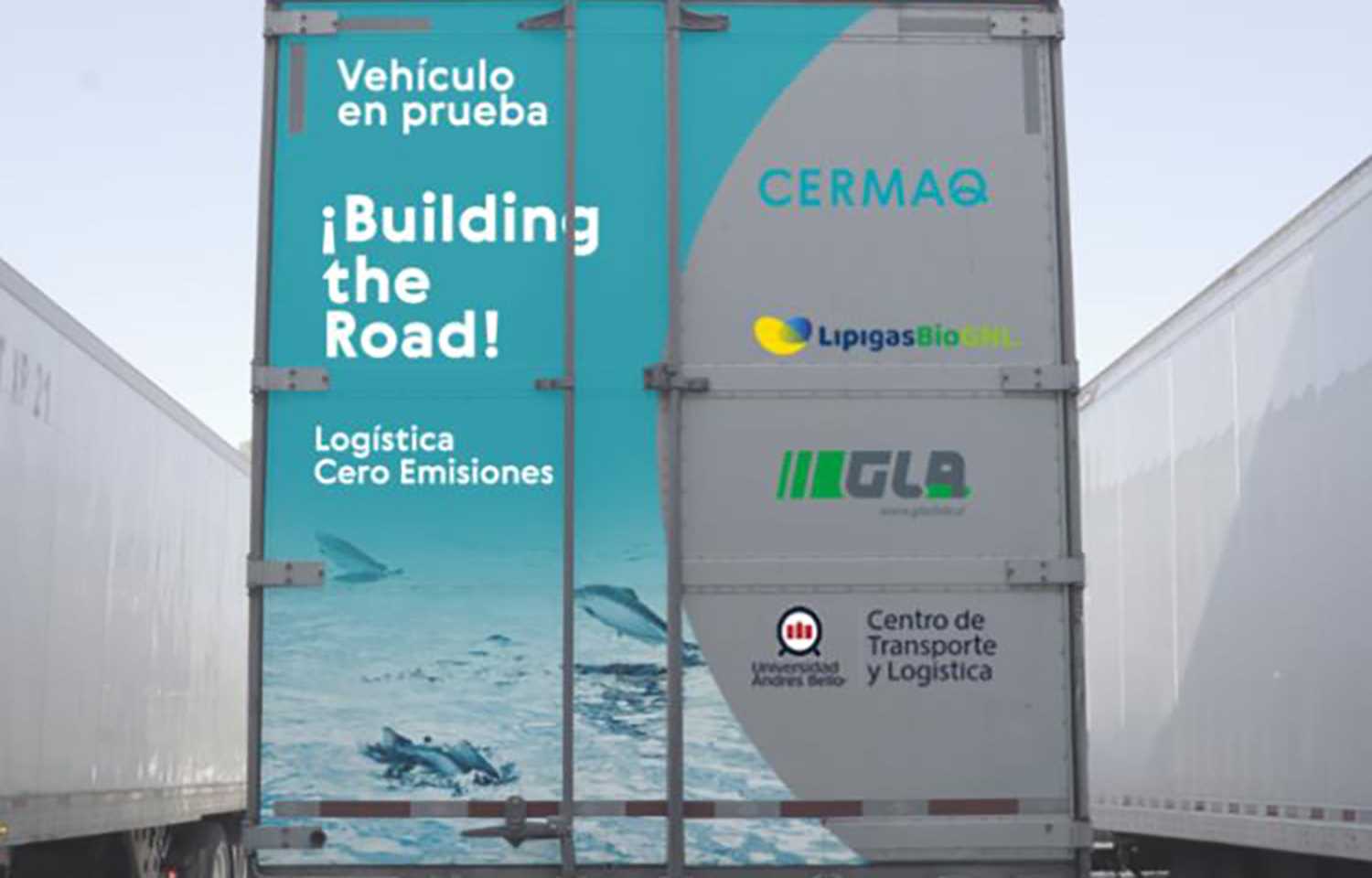
The Chilean branch of Oslo, Norway-based salmon-farming firm Cermaq will incorporate the use of bio-liquified natural gas (LNG) into its land transport network beginning in November.
The project, dubbed “Building the Road,” has been developed over the last three years in conjunction with local partners, including transport firm Transportes GLA, LNG firm Lipigas, and the Transport and Logistics Center of Andrés Bello University, the salmon firm announced in a release.
The fuel being used in the project is of biogenic origin, which is fuel obtained from the decomposition of organic waste. LNG is a cleaner-burning alternative to gasoline, producing significantly lower greenhouse gas and particulate matter emissions, but it requires conversion for use in standard vehicles and has a lower energy density per volume than gasoline.
Cermaq Chile said the move marks a milestone in the energy transition efforts made by the aquaculture sector, as it claims it is the first company in the industry to use Bio-LNG in its land transport operations, ensuring zero emissions logistics in its drive toward sustainability, innovation, and responsible development.
The routes considered under this initiative include the transport of fresh fish from Cermaq’s processing plants located in southern Chile’s Los Lagos region to the Arturo Merino Benítez International Airport in Chile’s capital city of Santiago, as well as the transfer of frozen cargo from the Los Lagos region to ports in south-central Chile’s Biobío region.
In its initial phase, the “Building the Road” project will incorporate 1,400 trips per year using Bio-LNG, which is expected to reduce carbon dioxide equivalent (CO₂e) of more than 1,380 metric tons (MT) per year, equivalent to taking more than 434 cars off the road. The company aims to have all of its land transport operations under this project within two years, which will eventually encompass some 2,650 trips per year and a reduction of 2,615 MT of CO₂e per year.
“For Cermaq, this is a milestone that takes a decisive step toward the decarbonization of the logistics chain since, when renewable fuels are used, carbon emissions can decrease by up to 100 percent,” said Cermaq Chile Logistics and Foreign Trade Manager Alex Arzola, who is the project lead for “Building the Road.”
In addition to reducing emissions, Cermaq said the use of Bio-LNG will contribute to reducing noise levels and improving the quality of life of the communities near its processing plants.
“We are aware of our role in local development, and this project is a concrete example of our commitment to doing things well, professionally and responsibly, respecting people, the surrounding community, and the environment,” Arzola said. “This project is just the beginning. We hope that our experience will serve as an example and catalyst for the entire industry to move toward a more sustainable and efficient operation.”
Chilean salmon-farming firms are increasingly focusing on reducing their carbon footprints.
Recently, Puerto Montt-based salmon-farming firm Ventisqueros announced it had incorporated the use of certified biofuel in its salmon export shipments in collaboration with international transportation services firm Andes Integración Logística and shipping company Hapag-Lloyd.
The move is expected to reduce the company’s shipping carbon dioxide emissions by up to 25 percent and forms part of the firm’s 2024 Strategic Decarbonization Plan, in which Ventisqueros aims to reduce greenhouse gas emissions and achieve carbon neutrality by 2045.
