

Ghana has launched Africa’s first Blue Food Innovation Hub in partnership with the World Economic Forum (WEF).
The hub, which will be overseen by the Ghanaian Chamber of Aquaculture in the nation’s capital of Accra, aims to bring together seafood value chain stakeholders such as researchers, investors, policymakers, and startups in a collaboration that aims to share knowledge on best farming practices, reduce losses, and attract more private investment to support the West African country’s aquaculture sector, among other goals.
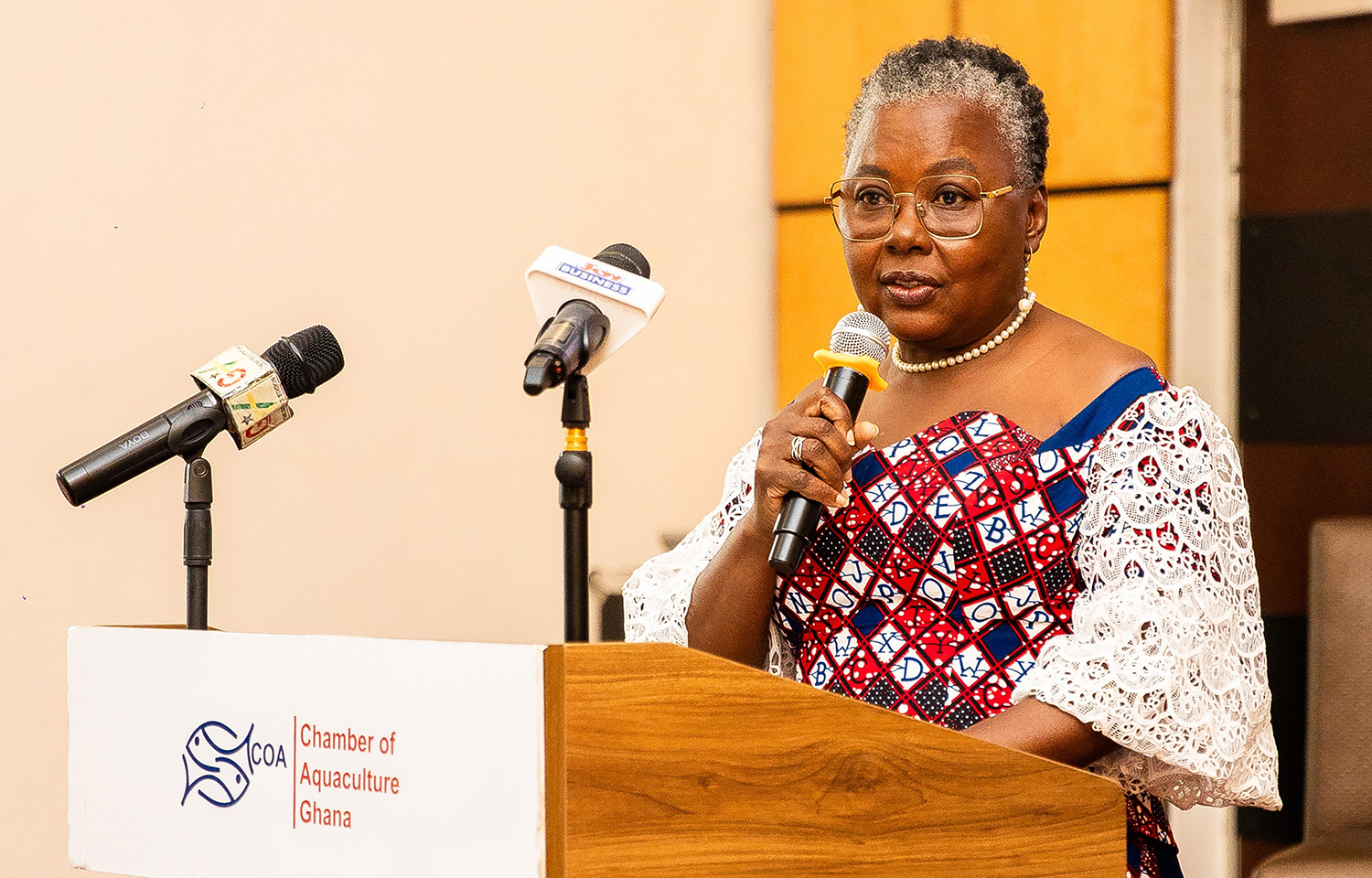
“The Blue Food Innovation Hub is where research meets industry, policy meets practice, and ideas turn into tangible impact for communities,” Ghana Fisheries and Aquaculture Development Minister Emelia Arthur said at the hub’s launch.
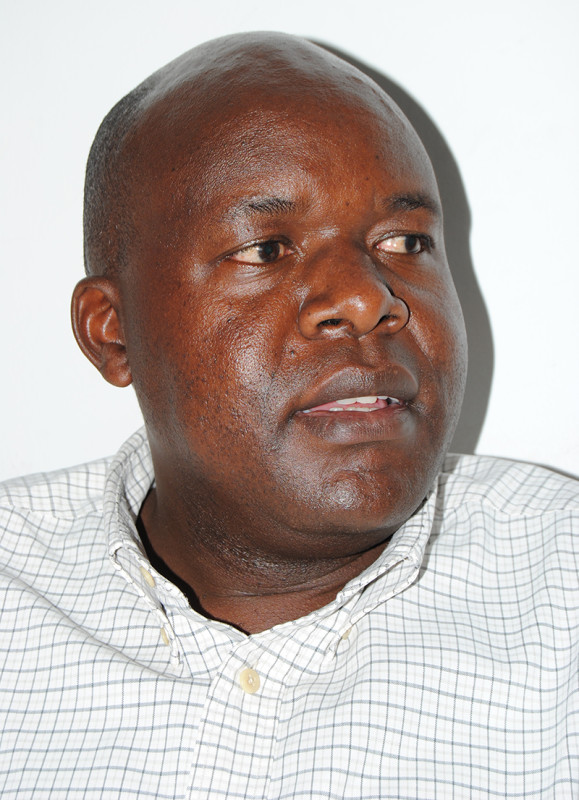
Chamber of Aquaculture Ghana CEO Jacob Adzikah added that the hub will help the sector bolster capacity development, accelerate innovation, improve market access and sustainable financing, and create jobs across the country’s aquaculture industry.
“The Chamber of Aquaculture fully accepts the responsibilities entrusted to us [and] will deploy all available resources within our capacity to make this initiative successful,” he said.
WEF said that Ghana will now have an opportunity to benefit from the adoption of innovation and technology in the production, processing, and distribution of its seafood.
“The hub aims to reduce losses, enhance competitiveness, and create measurable impact across the entire value chain, making blue foods affordable, accessible, and sustainable at scale,” WEF said in a statement.
The launch comes at a time when Ghana is grappling with several challenges in growing its aquaculture sector, such as high attrition rates and a small number of entrants to replace exiting firms, low investments from both the private and public sectors, and asymmetrical growth in fish output, according to the Ghana Ministry of Fisheries and Aquaculture Development.
With the hub now in place, sector stakeholders are hopeful that these issues will be mitigated and the sector can help achieve national fisheries and aquaculture objectives, including those outlined in the country’s National Aquaculture Development Plan for 2024 through 2028.
The plan includes goals to increase the output of commercial farmed fish from 116,100 metric tons (MT), which the country achieved in 2023, to 238,700 MT by the end of 2028, marking an average annual growth of 15.5 percent. It also expects to grow the market share of commercially farmed fish from the 14 percent achieved in 2021 to 25 percent within the same time frame.
