




International NGO Greenpeace claims to have linked forced labor on Taiwanese fishing vessels to Bumble Bee canned tuna that was sold in the United States.
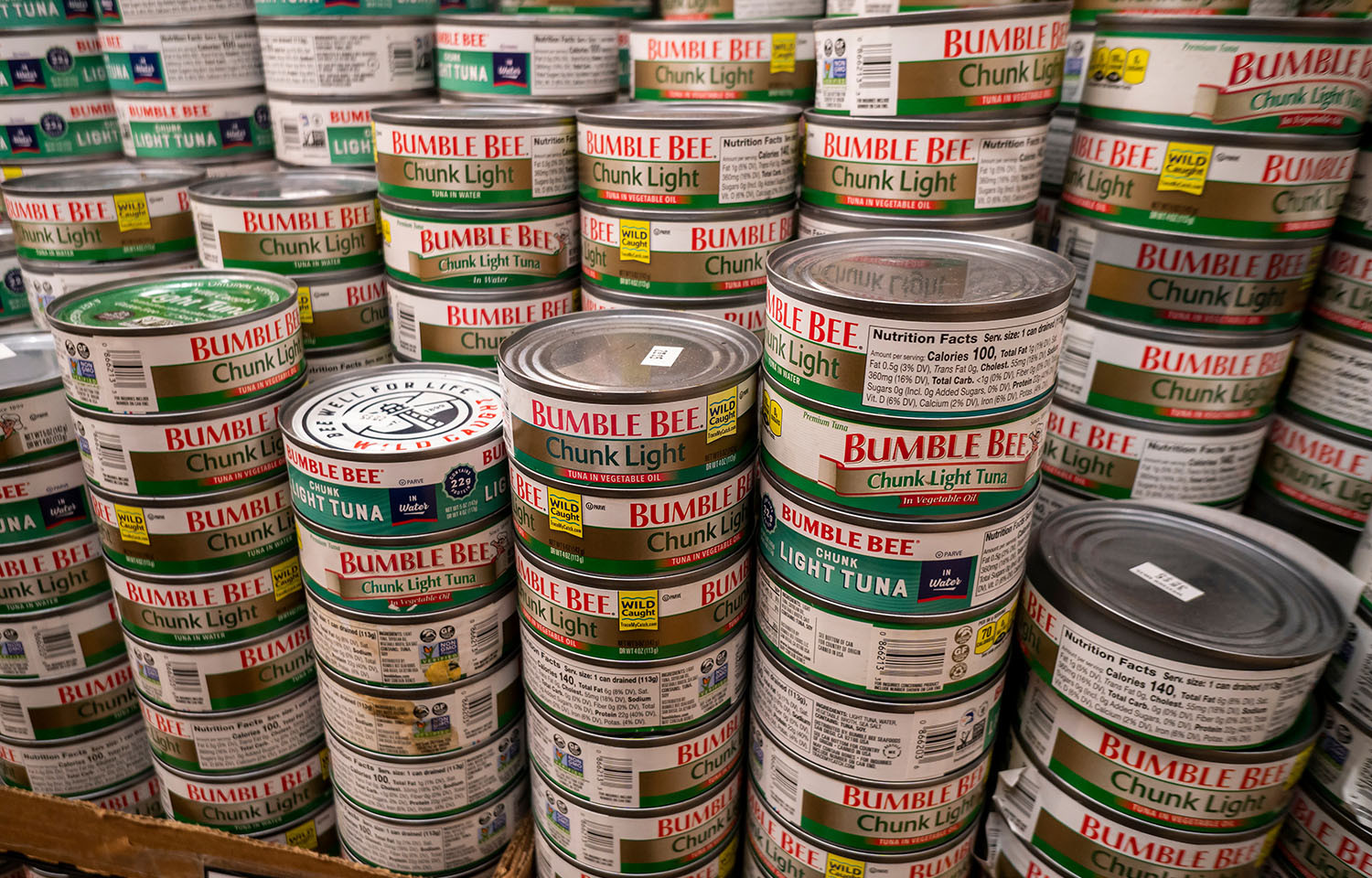
A recently-released report from the NGO, “Netting Profits, Risking Lives: The Unresolved Human and Environmental Exploitation at Sea,” documents 10 complaints from Indonesian fishers working on Taiwanese-flagged distant water fishing vessels alleging instances of abuse and forced labor. Greenpeace claims that four of the 12 vessels listed in the complaints – Chaan Ying, Guan Wang, Shin Lian Fa No. 168, and Sheng Ching Fa No. 96 – supplied tuna to Bumble Bee, which is owned by Taiwanese tuna giant FCF, and some of that tuna produced via forced labor was ultimately sold under the Bumble Bee brand in a supermarket in the state of Maine.
Bumble Bee did not respond to a request for comment.
The report was spearheaded by Greenpeace Southeast Asia in collaboration with the Indonesian Migrant Workers Union (SBMI).
“The push for overfishing, for modern slavery at sea, for shark finning all come from the same source: exploitation in the name of profits,” Beyond Seafood project team lead for Greenpeace USA Charli Fritzner said in a statement. “Businesses, like Bumble Bee and other tuna brands, need to own up to their responsibility and the role they play in this industry. The need to actively engage with upstream suppliers to ensure there are real grievance mechanisms in place as well as working with them to install wifi aboard vessels.”
All 10 of the cases included fishers reporting that they were trapped in exploitative situations, with recruitment agencies holding onto personal identity documents to keep them from leaving, according to Greenpeace. The report also claims that 92 percent of the fishers experienced “abuse of vulnerability and debt bondage.” The report also includes allegations of illegal shark finning.
“We are calling on not only the Indonesian government to do a better job in protecting the rights of migrant fishers, but also the governments of Taiwan and the U.S. to ensure that their businesses are slavery-free,” SBMI Chairman Hariyanto Suwarno said. “Together, SBMI and Greenpeace Indonesia have been pushing for changes in the last decade and we will continue to do so until we witness significant improvements.”
SBMI was one of several labor unions that accused the Taiwanese government of moving too slowly on “fundamental labor rights and decent work” over the summer.
This isn’t the first time Bumble Bee has been accused of labor violations by labor rights campaigners. In 2023, the company removed the terms “fair and safe supply chain” and “fair and responsible working conditions” from its promotional materials to settle a lawsuit brought by Global Labor Justice-International Labor Rights Forum (GLJ-ILRF) that accused FCF of unfair and unsafe labor practices. Greanpeace has also targeted the company in its End Modern Slavery campaign.
“As Bumble Bee neither publishes a vessel list nor any public information on their grievance policy, what our research uncovered is likely the tip of the iceberg,” Global Lead for Beyond Seafood campaign and Senior Oceans Campaigner for Greenpeace Southeast Asia Arifsyah Nasution said in a statement. “Therefore, Greenpeace will continue doing investigations to uncover the murky side of the seafood supply chain and advocate for a more fair, just, and sustainable global seafood industry for the sake of fishers, consumers, and our ocean’s future.”
Greenpeace has campaigned heavily to highlight human rights abuses and illegal fishing practices in the international tuna sector. In 2023, the NGO released a film investigating human rights issues aboard tuna vessels, namechecking Bumble Bee, Chicken of the Sea, and Starkist.
The Greenpeace report follows a Shark Guardian report issued earlier this year accusing FCF of failing to address “shocking environmental and human rights breaches in its supply chain” and not properly vetting its suppliers. FCF dismissed Shark Guardian’s allegations as “outdated.”
