






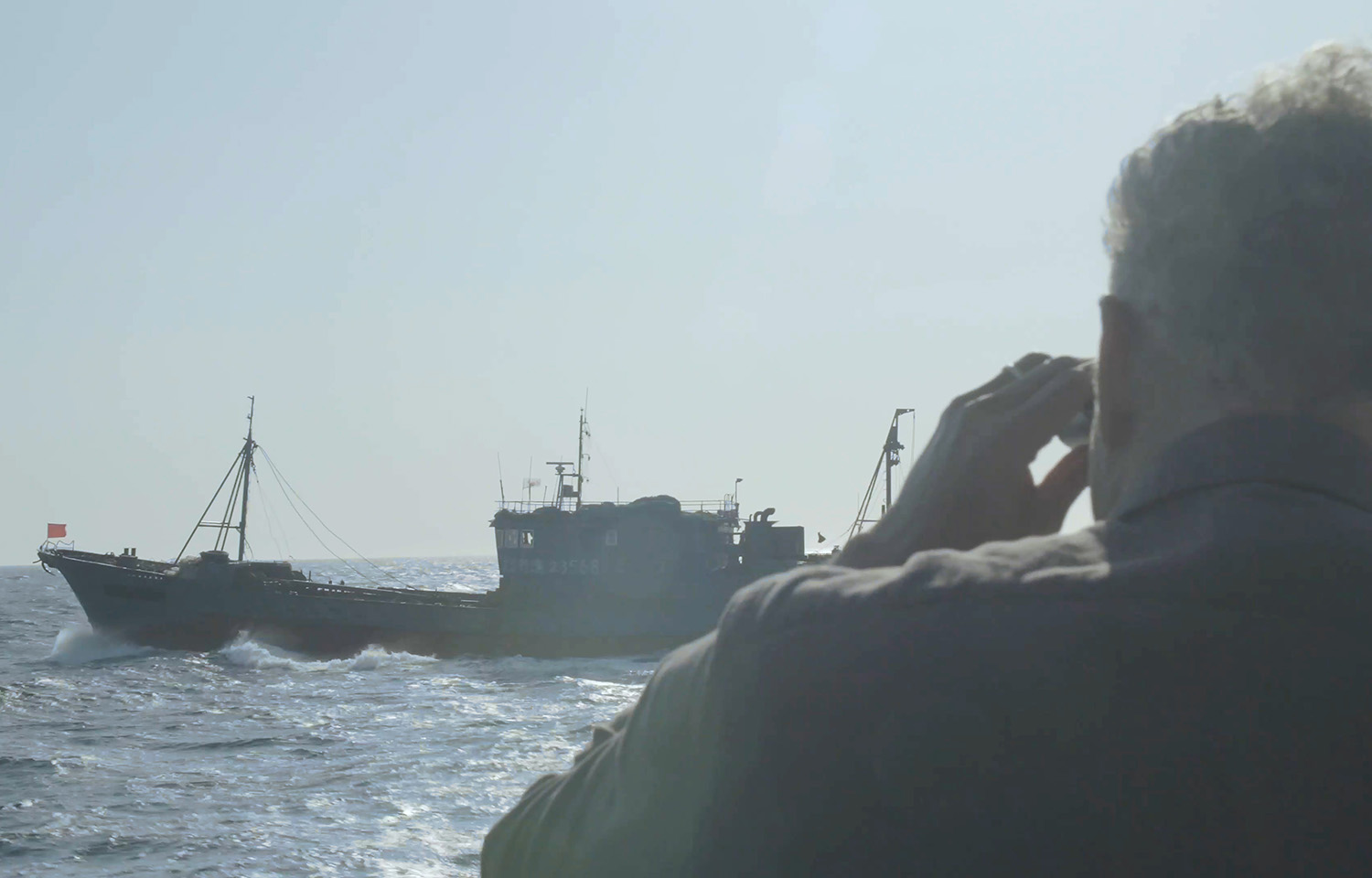
A group of NGOs have sent a letter to separate seafood distributors and retailers asking for an update on their investigations into whether their supply chains were exposed to Uyghur or North Korean labor.
The letter calls for an update on the investigations companies said they were performing in the wake of multiple reports by the Outlaw Ocean Project on forced labor in seafood supply chains.
The letter was signed by 18 NGOs: Transitional Justice Working Group, Human Trafficking Legal Center, The Committee for Human Rights in North Korea, Advocates for Public Interest Law, HanVoice, The Citizens Alliance for North Korean Human Rights, Corporate Accountability Lab, International Corporate Accountability Roundtable, Humanity United Action, International Federation for Human Rights, Uyghur American Association, Anti-Slavery International, Uyghur Human Rights Project, Freedom United, Global Labor Justice, Investor Alliance for Human Rights, Campaign for Uyghurs, and Worker Rights Consortium.
“The findings on the investigations, which shed light on the use of state-imposed forced labor in your company’s seafood supply chain, are deeply concerning and demand immediate attention from all stakeholders in the industry,” the NGO letter, which was provided to SeafoodSource, states.
The first Outlaw Ocean report, published in October 2023, showcased evidence that seafood processed with Uyghur labor in China was making its way into the global seafood supply chain. That report led members of the seafood industry, foodservice distributors, and retailers – such as High Liner Foods, Albertsons, and Sysco – to cut ties from Chinese suppliers and pledge to commit to ridding the supply chain of Uyghur and other forms of forced labor.
The Outlaw Ocean report was follwed by a report released on February 2024 revealing extensive evidence that North Korean labor was also making its way into the seafood supply chain via multiple Chinese companies.
Once again, multiple companies, such as Trident, High Liner Foods, and Sysco, suspended relationships with the named companies and pledged to investigate their business dealings with the companies.
Now, the NGOs are asking some of the companies named in the reports to follow up on what progress they have made in the investigation.
“In 2023, Sysco stated it would investigate exposure to state-imposed forced labor in its downstream supply chains,” the NGO letter to Sysco states. “Given the severity of the harms reported and the gravity of the situation and the potential impact on human rights and environmental sustainability, we are keen to learn about the progress of these investigations into your company's seafood supply chain.”
A representative of Freedom United told SeafoodSource that letters have been sent to 13 different companies: Sysco, Trident Seafoods Corporation, Ahold Delhaize, Lidl, Albertsons, Metro Canada, Aldi South Group, Carrefor, Cite Marine, High Liner Foods, Nichirei Seafoods, Nomad Foods, and Young’s Seafood.
The NGOs said they specifically want an update on what due diligence processes the companies have conducted in the wake of the reports, what the preliminary findings of those investigations are, what steps the companies are taking to prevent suppliers or sub-suppliers from participating in state-imposed forced labor programs, whether the companies have disengaged from suppliers or sub-suppliers who would not cease participation in the programs, and what steps the company has taken to report the information to shareholders, companies in the supply chain, and other stakeholders.
“We believe that maintaining a supply chain free from forced labor is not only a legal and ethical imperative but is also crucial for the sustainability of the seafood industry,” the letter states.
The letter comes as communication from these companies has slowed between them and the Outlaw Ocean Project. Per Outlaw Ocean’s discussions page – which details the organization’s correspondence with the 426 stakeholders it reached out to in its investigation – much of its communication with the companies has been quiet since February or earlier.
The most recent communication came between it and Trident Seafoods in April 2024, in which the company responded to 18 questions from Outlaw Ocean.
“We appreciate the insight and will certainly consider the recommendations as we continue to strengthen our CSR [corporate social responsibility] program,” Trident said. “We agree that this is an incredibly complex, systemic issue, and Trident is committed to making a difference within our supply chain while the seafood, public, and other sectors work to address risks of exploitive labor practices in China manufacturing more broadly.”
SeafoodSource’s requests for comment from the 13 companies that received the NGO letter have so far gone unanswered.
