





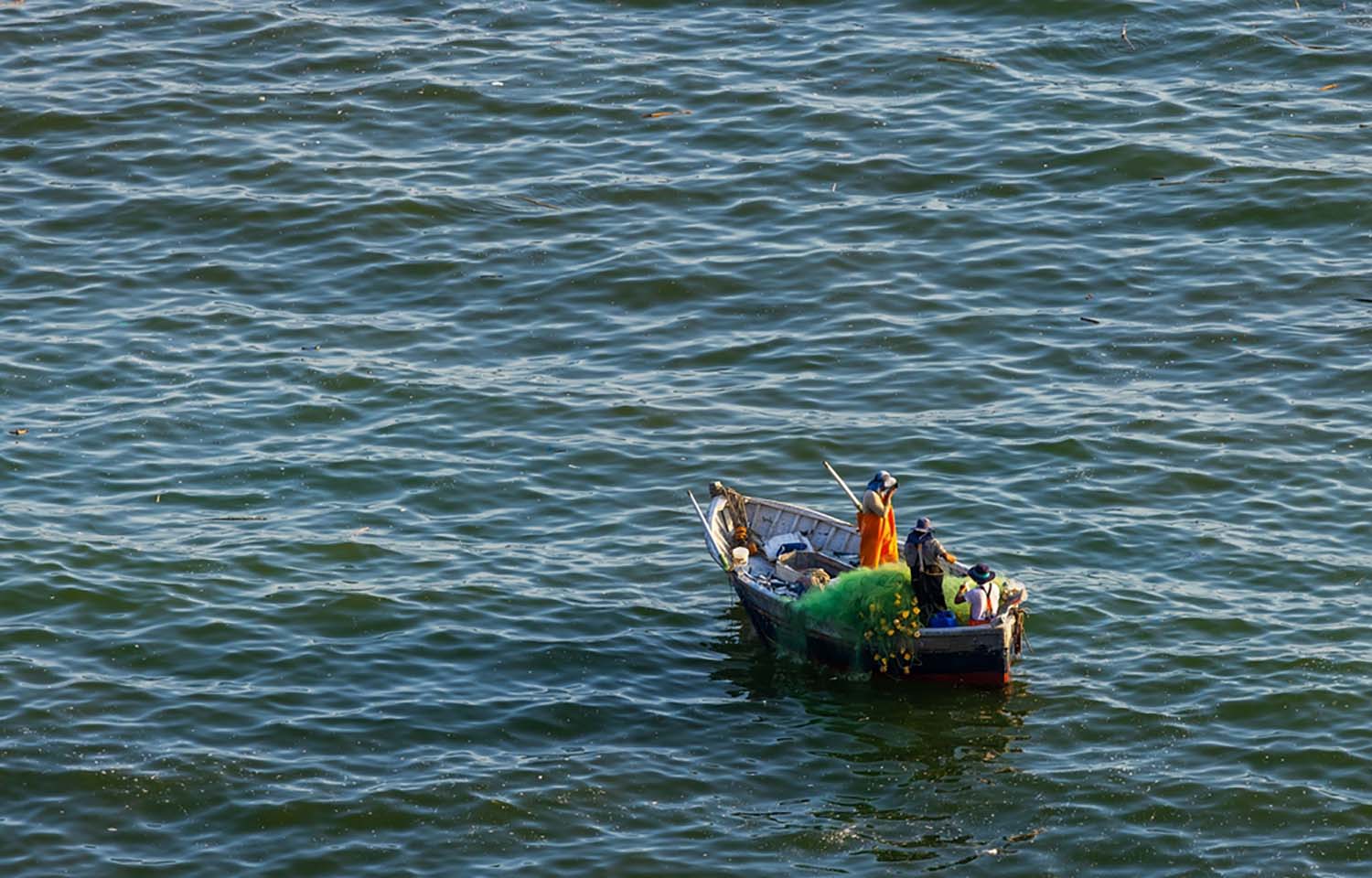
Peru’s National Society of Artisanal Fisheries (Sonapescal) has launched an initiative to have the nation’s artisanal fishers install government-sanctioned SISESAT satellite tracking systems onboard their vessels.
The move aims to ensure safer, more sustainable fishing and grant greater opportunities for artisanal deep-sea fishing of jumbo squid and mahi.
SISESAT provides real-time information on the location of each vessel using the tracking system, helping to protect the safety of each boat’s crew and comply with traceability standards required by several international markets and organizations. Employing the technology will also allow artisanal fishers to register their vessels with the South Pacific Regional Fisheries Management Organization (SPRFMO) – the supervisory authority that regulates fishing on the high seas off the coast of Peru.
“Vessels that operate outside 200 miles can only do so legally if they are registered with this organization, and one of the fundamental requirements is precisely to have active satellite equipment,” Innovations for Ocean Action Foundation (I4OA) Fisheries Engineer Iván Gómez said during the launch event.
As of June 2025, more than 1,700 artisanal vessels have already installed equipment and are actively reporting to the control center at the Peruvian Production Ministry (PRODUCE) – the government entity charged with fishery governance – consolidating a key step toward more transparent, traceable, and safe fishing, Gómez said.
Event sponsors also released a document titled “Peruvian Artisanal Fishing and the SPRFMO: A Collective Path for Our Rights,” which summarizes the efforts of more than 280 artisanal vessels that have already managed to formalize and officially register in the SPRFMO. Sonapescal said that the move similarly opens new opportunities for the country.
During the “SISESAT for All” launch ceremony, Sonapescal signed cooperation agreements with satellite technology provider companies CLS Peru and Melecnet, which committed to provide technical support, training, and information directly to artisanal fishers who still lack equipment.
“This is just the beginning. It’s not just a campaign but a collective decision of the fishers to have a voice; to organize; and to build responsible, formal, sustainable, and safe fishing,” Sonapescal President Elsa Vega said upon closing the event.
Peru has instituted a handful of measures to encourage transparency in the nation’s waters.
One such move came last year, when the Production Ministry issued an emergency decree that sought to strengthen the country’s fight against illegal, unreported, and unregulated fishing by restricting foreign vessels in Peruvian waters. The regulation – which largely aims to protect Southern Pacific giant flying squid and is mostly directed toward China’s controversial distant-water fleet – requires any foreign vessel looking to enter Peru to have the same type of SISESAT satellite device onboard and activated that the artisanal fishers are voluntarily implementing, regardless of the reason for its entry.
