


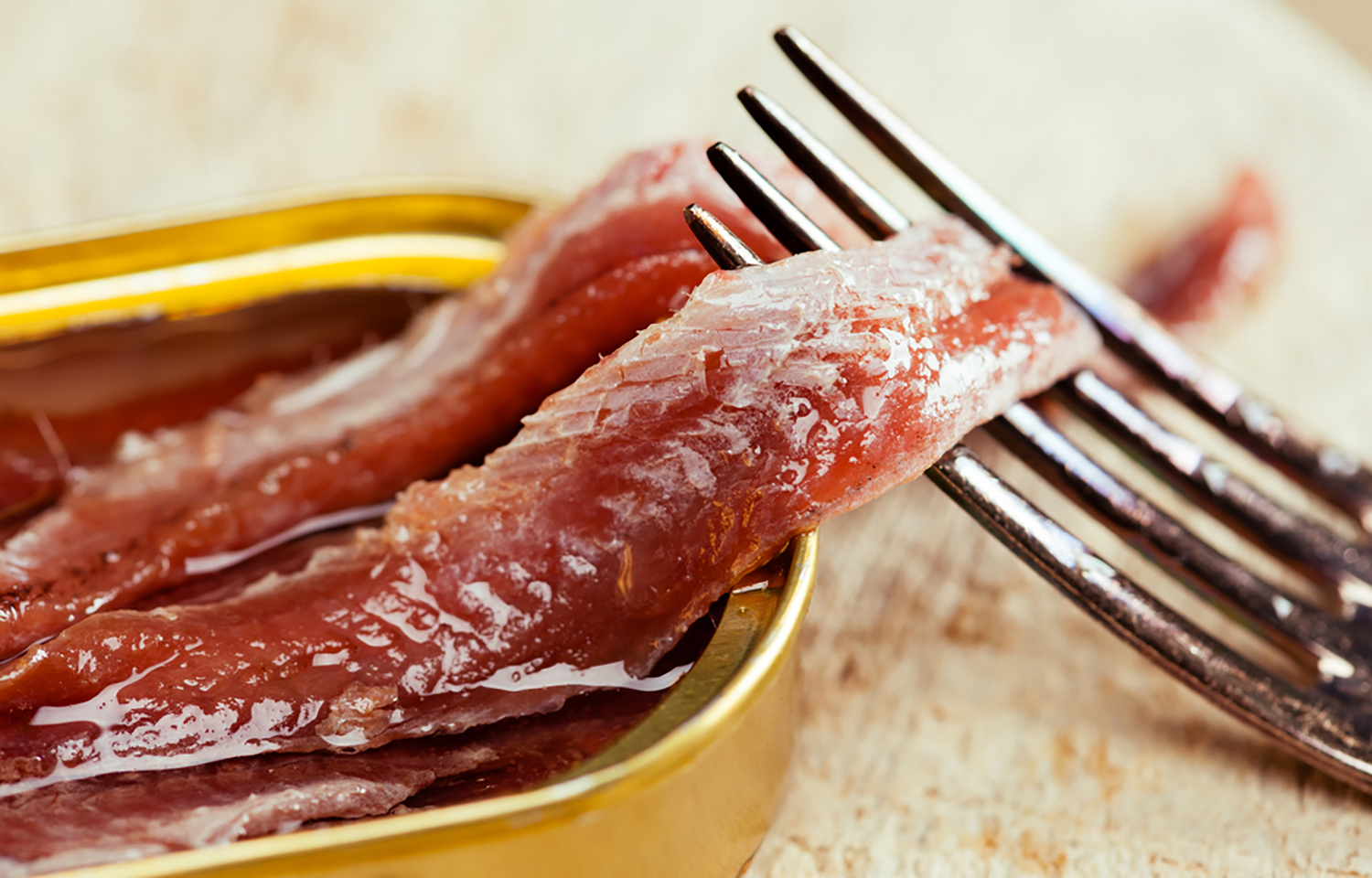
Peru’s anchovy small-scale purse seine fishery has begun the process of securing Marine Stewardship Council (MSC) certification.
Two companies – Compañía Americana de Conservas and Corporación Leribe – have decided to advance in the certification process within the anchovy fishery. The move marks the next step in work begun in 2016 through a fisheries improvement project (FIP) coordinated by CeDePesca, which is a Buenos Aires, Argentina-headquartered NGO that aims to help fisheries in Latin America work toward implementing more sustainable practices.
The Engraulis ringens anchovy fishery is Peru’s largest and one of the largest fisheries in the world in terms of catch volume. The certification would apply to a fraction of that fishery, carried out in the Sechura area on the northern coast and where the catch is used to produce canned food for human consumption.
The move is a “momentous step toward the long-awaited MSC seal of fisheries sustainability,” CeDePesca FIP coordinator Brigitte Alcántara said. “It is the result of many years of joint work and an example of how collaboration between companies, authorities, and support organizations can generate changes that ensure sustainability in the use of natural resources and in the jobs and related economic sector.”
According to the MSC’s Announcement Comment Draft Report, the fishery’s strengths include an abundant resource, characterized by high fertility and rapid growth rates; extensive environmental data available; significant scientific research conducted on the anchovy; regularly performed biomass assessments; maintaining historical spawning biomass levels within Imarpe’s established optimal reference points; and ships equipped with vessel monitoring systems.
On the other hand, weaknesses include climatic oscillation-affected resource availability, making long-term biomass projections difficult; presence of illegal, unreported and or unregulated (IUU) fishing; information gaps on whether IUU is considered in the stock assessment when setting the total allowable catch, landings from small-scale and artisanal fishers, and more; and a lack of a fishery management plan for the unit of assessment.
Representatives from both Compañía Americana de Conservas and Corporación Leribe said they have collaborated on the project with institutions such as the National Fisheries Society (SNP) and the National Society for Industry (SNI), as well as the Production Ministry (PRODUCE) and its technical arm, the Peruvian Institute of the Sea (Imarpe), in advancing the project.
