



The United Kingdom-based industry group Seafood Ethics Action Alliance (SEAA), which aims to address issues of human rights in global seafood supply chains, will showcase a new study of migrant labor recruitment practices in global tuna processing at Seafood Expo Global 2025, held 5-8 May in Barcelona, Spain.
The study’s findings “highlight both the challenges in establishing enforceable labor standards in tuna processing around the world and explore how the seafood industry is working to improve labour conditions and tackle human rights violations," SEAA said, noting that the goal of the study was to understand “the implementation of responsible recruitment practices and the Employer Pays Principle (EPP) in the global tuna processing sector."
According to the Institute for Human Rights and Business, the EPP holds that 100 percent of the costs of job recruitment should fall on employers rather than job seekers.
The independently-carried out study, which was conducted by Impactt, was commissioned by the SEA Alliance as well as a number of other industry groups, including theBritish Retail Consortium, Food Network for Ethical Trade, Global Tuna Alliance, and the Seafood Business for Ocean Stewardship,
The event will also showcase the newly developed SEAA Worker Voice Directory, a practical tool designed to help businesses identify and connect to worker support organizations across the globe.
"The directory will act as a global map of credible, on-the-ground organisations, including democratic trade unions, NGOs, grassroots worker groups, and specialised consultants," SEAA said. "By helping businesses incorporate worker perspectives into due diligence, human rights assessments, and project design, the tool aims to support more inclusive and effective approaches to improving conditions in seafood supply chains.”
Scheduled for 6 May, the launch event will be hosted by SEA Alliance Chair Julia Black and will feature a panel of experts discussing issues of sustainability and ethics in the tuna processing chain.
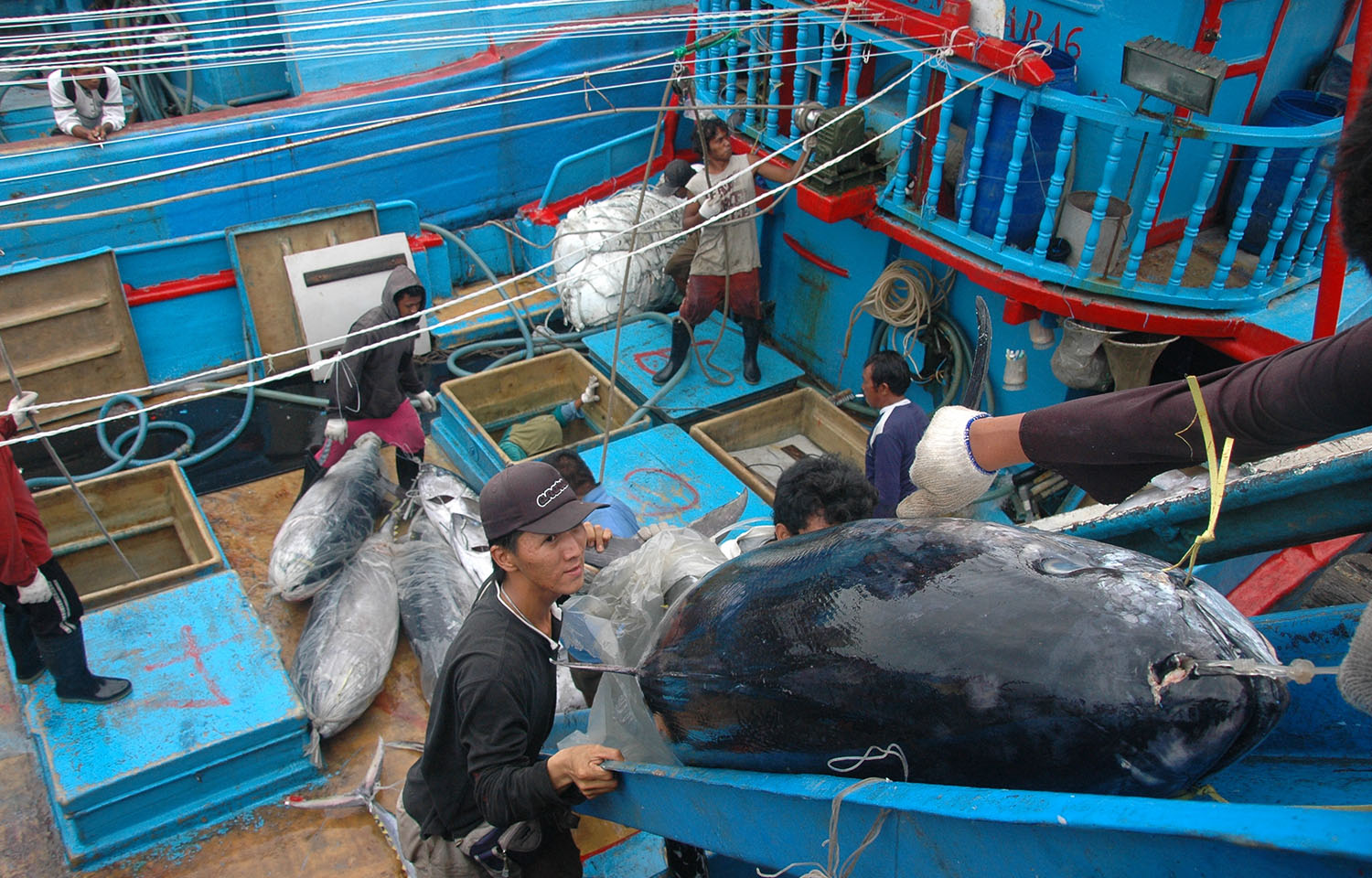
The global tuna industry has long been beset with alleged and proven human rights violations, including workers being trapped on distant water fishing vessels for multiple years, and health and safety violations that have left workers disabled and dead.
