


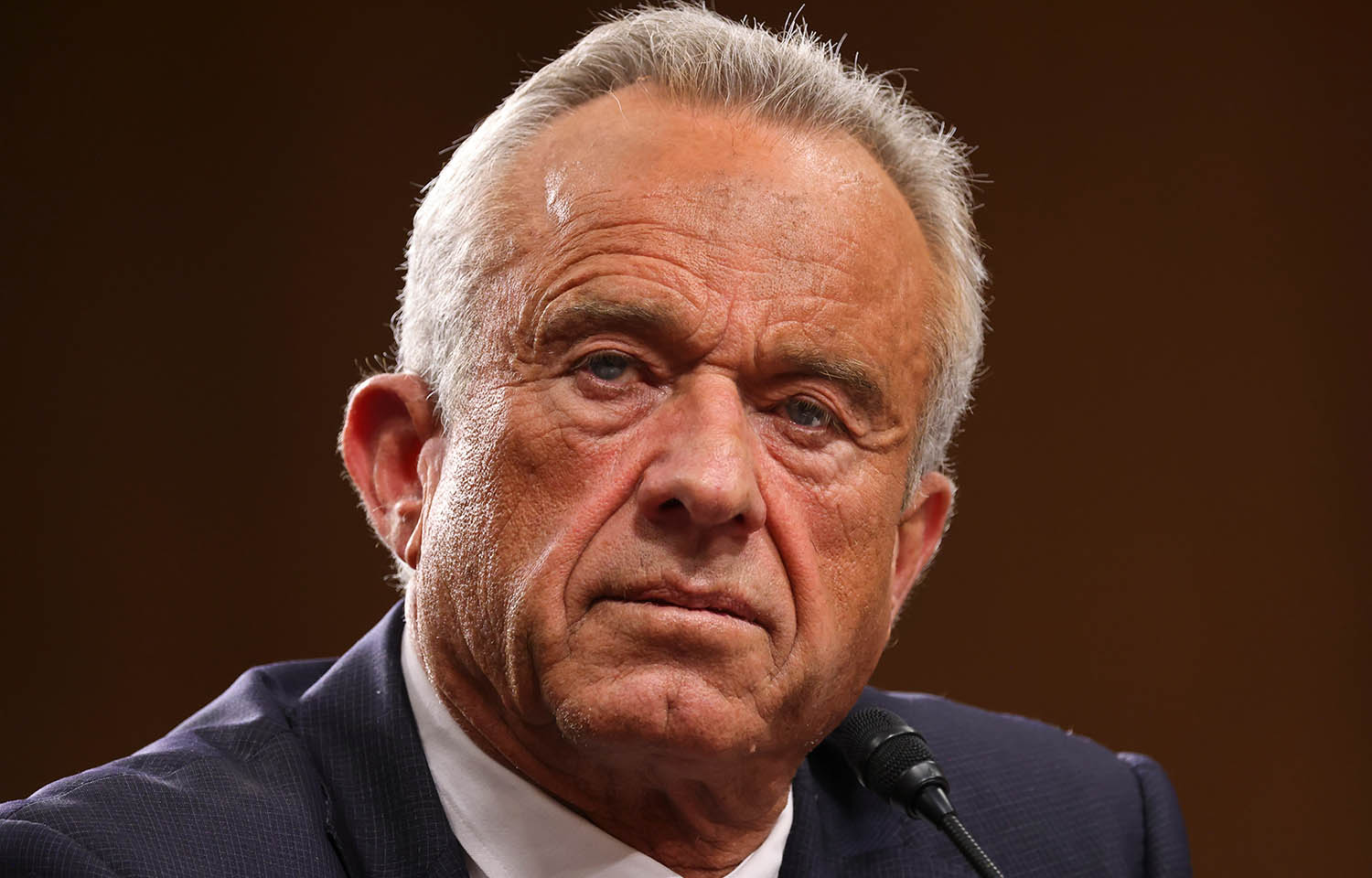
United States Secretary of Health and Human Services Robert F. Kennedy Jr. has weighed in on the discovery of a radioactive isotope in a shipment of foreign frozen shrimp, claiming that the U.S. Food and Drug Administration (FDA) has responded by conducting more inspections.
“We have now increased FDA inspections of shrimp to make sure that Americans are not buying and eating contaminated shrimp and putting our shrimpers out of business,” Kennedy said in a 26 August cabinet meeting.
The comments come after the FDA announced 14 August that customs officials had discovered a radioactive isotope called Caesium-137 (Cs-137) in shipping containers at multiple ports, with tests confirming the presences of the contaminant on a sample of breaded shrimp from Indonesia. The announcement has led to the recall of multiple frozen shrimp products by Walmart, Beaver Street Fisheries, and Southwind Foods.
The domestic shrimp industry has long been critical of foreign shrimp imports, highlighting the amount of shrimp stopped by U.S. Customs and Border Protection (CBP) for antibiotics and other contaminants. FDA refusals of foreign shrimp over banned narcotics reached their highest rates in eight years last year, according to the Southern Shrimp Alliance, with the government refusing 81 shipments over contaminants in 2024.
In his brief comments, Kennedy repeated those concerns.
“South Asian nations are now dumping shrimp on our country. Their shrimp is heavily contaminated,” Kennedy said. “We just stopped a shipment that was contaminated with Cesium-137, which is radioactive. They’re farming these shrimps and they use bactericides and antibiotics and all kinds of chemicals, and the shrimp are so contaminated the European nations won’t take them. So they’re dumping them all here.”
Kennedy added that shrimp imports were having a devastating impact on domestic shrimpers.
“We have the most sustainable, highly regulated fishery in the world. What our fishermen do is a good thing, and all of the trollers in the Gulf and Alaska are being shut down because we’re getting shrimp dumped here,” he said.
Following the FDA alert earlier in August, Louisiana Lieutenant Governor Billy Nungesser asked U.S. President Donald Trump to implement a per-pound USD 0.10 (EUR 0.09) inspection fee to help increase inspections.
“For years, I have asked Congress to implement a seafood inspection fee to hire more inspectors and increase inspections of the seafood crossing our borders with the support of the National Lieutenant Governors Association, the Louisiana Seafood Promotion and Marketing Board, and our Louisiana fisheries associations,” Nungesser said. “As we look to encourage American sourcing of goods and services through tariffs, it is the perfect opportunity to implement these types of fees to support our domestic fisheries.”
Even before the Cesium-137 discovery, officials in the Southern U.S. were calling for federal action on shrimp imports. In June, U.S. Senator John Kennedy (R-Louisiana) sent a letter asking the secretary to take action on stopping unsafe foreign shrimp from reaching American consumers.
“A growing body of academic research and investigative reporting indicate that imported shrimp frequently contain illicit antibiotics and harbor antimicrobial-resistant bacteria. One of the most prevalent risks associated with warm-water shrimp aquaculture is antibiotic use, which poses significant health threats related to potential parasitic infection along with disease outbreaks,” the senator said in the letter. “In light of the President's executive order and the ongoing health risks posed by imported seafood, I urge the Department of Health and Human Services to collaborate with the U.S. Trade Representative, U.S. Customs and Border Protection, and other relevant agencies to strengthen inspection capabilities and stop this harmful seafood from being sold domestically.”
