



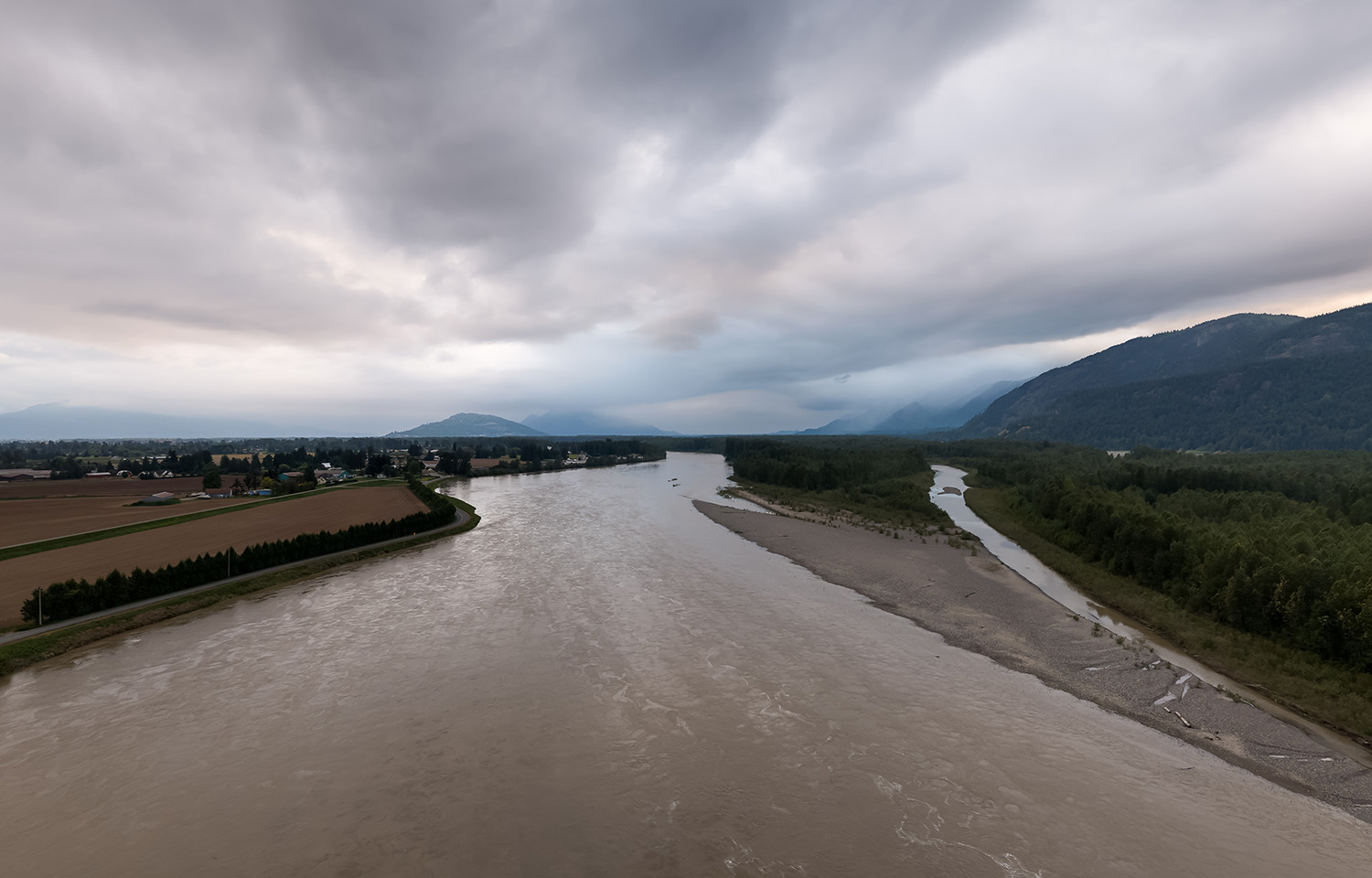
A study conducted by Burnaby, British Columbia-based Simon Fraser University found that juvenile Chinook salmon in the Lower Fraser estuary are swimming in hundreds of chemicals, including pharmaceutical products and cocaine.
British Columbia, Canada-based Raincoast Conservation Foundation shared the study’s results in a release, citing information that researchers found “more than 200 contaminants in water and fish tissue samples collected from five sites in the Lower Fraser estuary.” Examples of containments included cocaine, caffeine, blood pressure and diabetes medications, industrial chemicals, pharmaceuticals, and personal care products.
“We’ve shown there’s a mixture of chemicals in the Lower Fraser, which not only presents potential risks to juvenile Chinook, but also other aquatic life,” Environmental Scientist and lead author of the study Bonnie Lo said in the release.
Hundreds of samples taken between 2019 to 2021 from five sites were tested for more than 595 contaminants from nine chemical classes on juvenile Chinook salmon from the Harrison stock. Researchers found 288 organic contaminants in water samples and 268 organic contaminants in juvenile Chinook tissue. Of those, 16 contaminants were marked priority concern for both Chinook salmon and other oceanic species, and 23 contaminants warranted secondary monitoring. Of the highest concern were pharmaceuticals and personal care products, polycyclic aromatic hydrocarbons (often found in moth balls and cigarette smoke), flame retardants, and polychlorinated biphenyls (often found in coolants, fire retardants, and plasticizers and banned in the 1970s).
“Toxicity data is mostly based on single-chemical exposures, but these fish are being exposed to hundreds of chemicals at once. We simply don’t yet understand the additive effects of this chemical cocktail,” Brown said.
Salmon Biologist at the Raincoast Conservation Foundation and study co-author Dave Scott said that juvenile Chinook in this estuary are also affected by rising water temperatures and pathogen exposure, in addition to the cocktail of contaminants.
“Harrison Chinook in particular arrive at very small sizes and depend heavily on these habitats for growth prior to entering the ocean,” Scott said. “Contaminant exposure is an additional stressor acting on the same fish during the same critical window.”
The Committee on the Status of Endangered Wildlife in Canada (COSWEIC) found that more than 85 percent of Chinook populations are now classified as Endangered or Threatened due to decades of population decline, and the species account for up to 90 percent of the West Coast’s Endangered Southern Resident killer whales diets in the summer.
Study authors said more research is necessary to understand how these contaminants will affect current and future populations of Chinook. Collaborators on this study published through Simon Fraser University included Fisheries and Oceans Canada (DFO), Environment and Climate Change Canada (ECCC), and Raincoast Conservation Foundation. Funding came from the Government of Canada’s Whales Initiative.
