






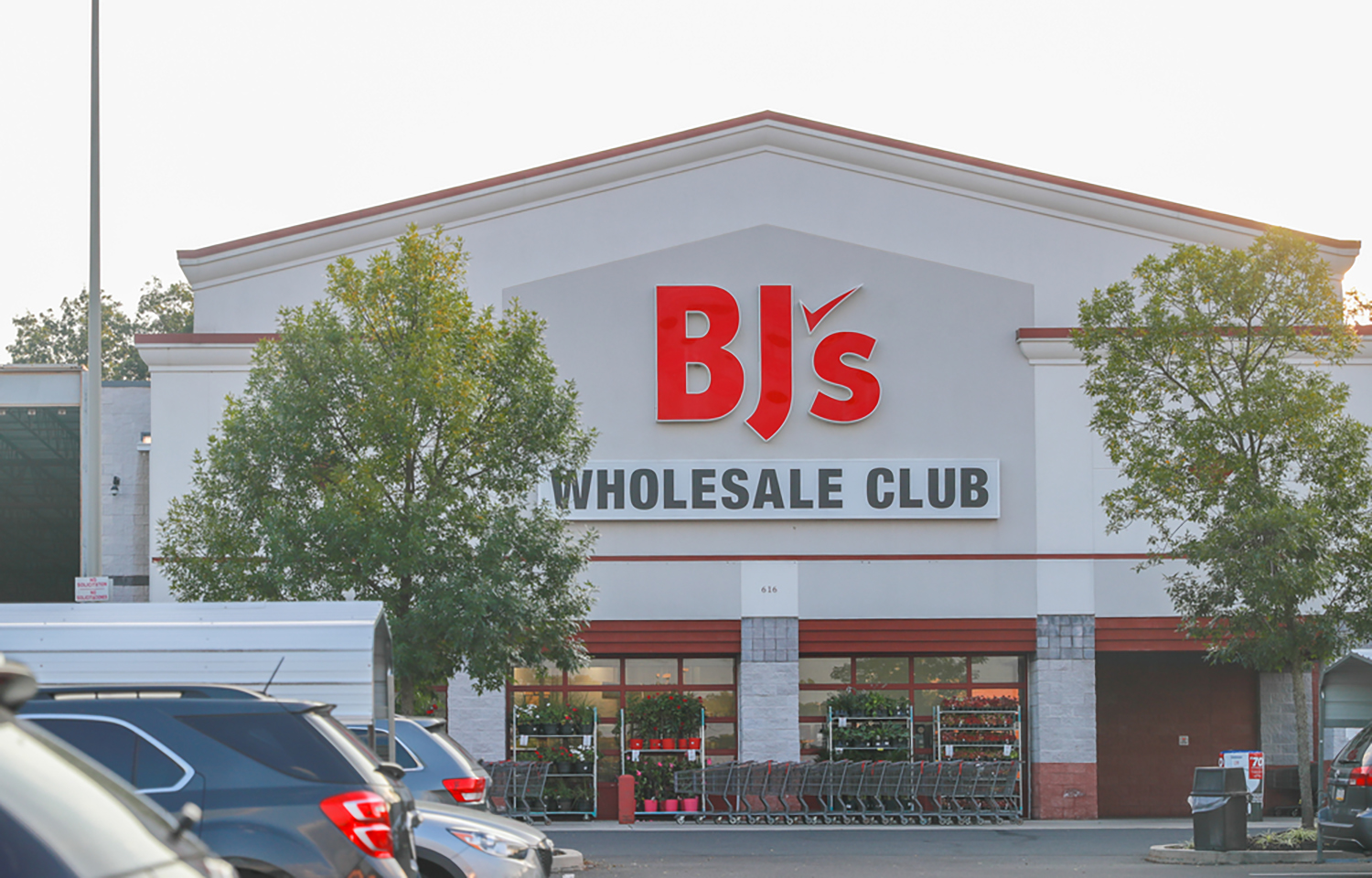
Sales and foot traffic at U.S. warehouse club retailers continue to spike, and executives at BJ’s Wholesale Club, which operates 215 stores across 16 U.S. states, are betting on a bigger portion of future sales to come from fresh meat and seafood.
The Marlborough, Massachusetts, U.S.A.-based company recently announced it is expanding its Fresh 2.0 Initiative to include meat and seafood, Chairman and CEO Bob Eddy said during a recent conference call with investors.
“We're not only introducing new members into our produce category, but they are regularly reengaging in produce as well. Success we've seen in produce has given us confidence to extend Fresh 2.0 to meat and seafood,” Eddy said.
BJ’s piloted the Fresh 2.0 initiative in its meat and seafood department in some Florida stores late last year and then launched the program across the chain in May.
“We knew that if we won in produce, we would win trip frequency and wallet share. Since launching in the second quarter of last year, the program has driven quarterly produce comps of high single digit to low double digits,” Eddy said.
After performing “comprehensive market studies and competitive assessment” for meat and seafood, BJ’s found that the biggest opportunity was in assortment and presentation, according to Eddy. As a result, the retailer optimized its assortment to “better reflect localized member preferences, adding items that members wanted and removing less relevant ones,” he explained.
BJ’s also added signage and dividers in its coolers for cleaner presentation and easier navigation, similar to changes the company made when it first launched the initiative in produce.
“We also reflowed our merchandise to reflect how our members shop for meat. For example, we created a single destination for pre-seasoned and marinated proteins, making these ready to cook products easier to find,” Eddy said.
While the products make up a small percentage of BJ’s protein sales currently, “the example illustrates how we're leveraging our understanding of shopper behavior to rethink all aspects of our business,” Eddy said. “Our members love the improvements in fresh, and we will continue to invest to drive trips and member loyalty. If people are shopping heavily in produce and in meat, it should really change their member profile, their number of trips, and their renewal rates.”
BJ’s net sales for the first quarter of its 2025 fiscal year, which ended 3 May, inclined 4.7 percent year over year to USD 5 billion (EUR 4.4 billion).
BJ’s had “minimal” tariff impacts in the quarter, according to Eddy, but he acknowledged that the market could change.
"The big question … obviously is what happens from a cost-based perspective,” Eddy said. “We will go forward and invest to gain market share and do the right thing for our members … within the economic structure of what we can afford.”
Issaquah, Washington, U.S.A.-based warehouse club retailer Costco, meanwhile, did absorb some increased costs from tariffs in its fiscal third quarter to avoid passing price increases on to members. The company operates 905 stores globally.
Costco absorbed tariff costs on fresh items imported from Central and South America, Chief Financial Officer Gary Millerchip said on an investor call, per Supermarket News,
“We felt it was important to eliminate the impact for our members by working with suppliers, finding efficiencies, and accepting some margin impact. We essentially held the price on those items to protect our members,” Millerchip said.
In addition to absorbing the price of some goods, the retailer also mitigated the impact of tariffs by rerouting many goods sourced from countries with high tariff exposure to non-U.S. markets, Costco CEO Ron Vachris said.
“While the impacts of tariffs and the overall economic outlook remain uncertain, we are confident in our operators and merchants to meet these challenges, continue delivering excellent service, and provide consistent value to our members,” Vachris said.
Costco’s overall net sales for the quarter climbed 8 percent to nearly USD 62 billion (EUR 54.5 billion), while U.S. comparable store sales rose 7.9 percent adjusted for inflation.
