




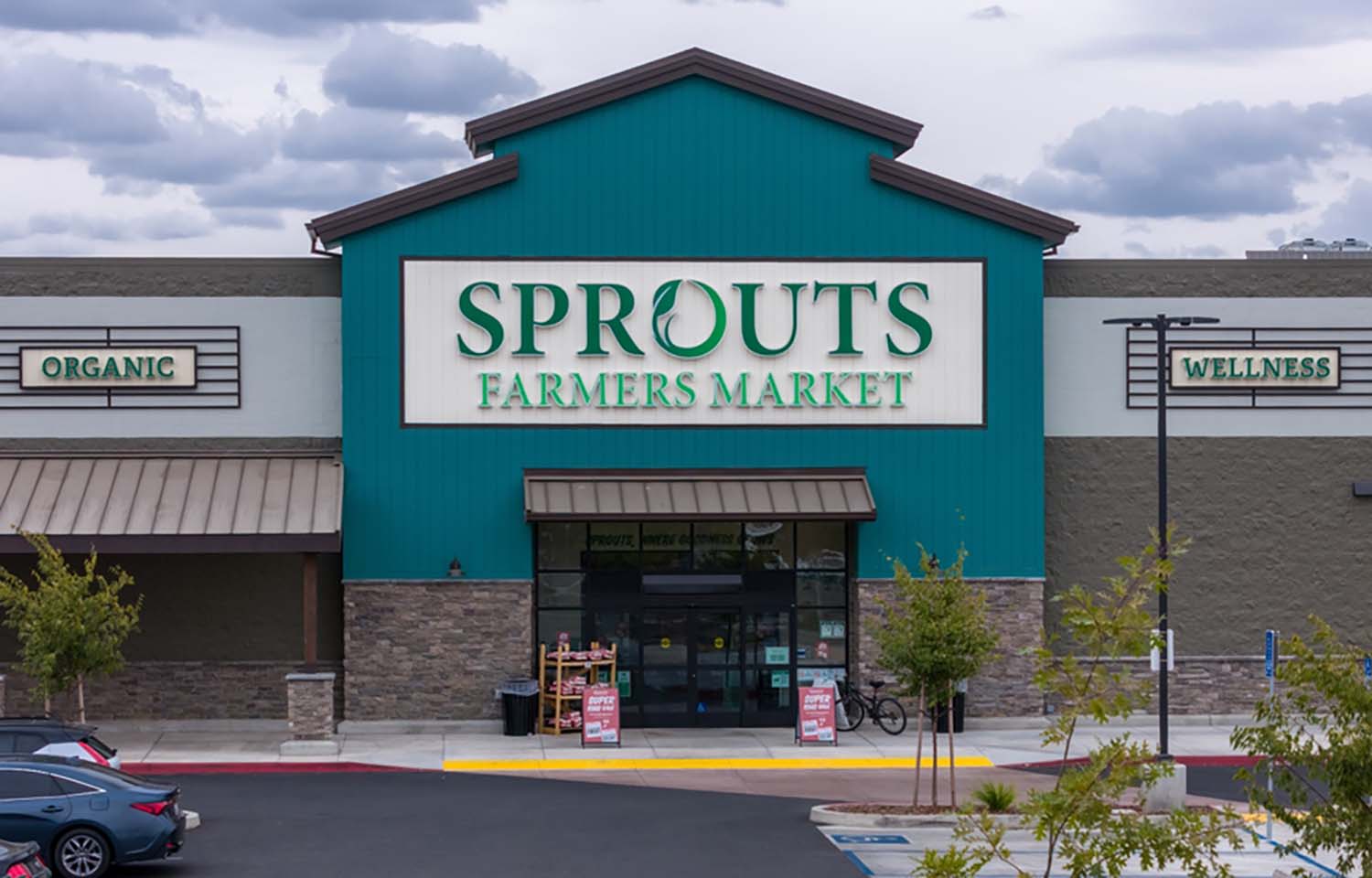
U.S. grocery chain Sprouts Farmers Market is bringing its meat and seafood sourcing in-house and expanding its self-distribution network.
The Phoenix, Arizona, U.S.A.-based chain of 455 stores said bringing sourcing in-house allows the company to gain more control over its supply chain while minimizing operations and supply chain risks, CEO Jack Sinclair said during the company’s recent second quarter 2025 earnings call, according to Grocery Dive.
As for the move to self-distribute, Sprouts did not provide many details but said it is transitioning “key product categories,” Sinclair said, starting with fresh meat and seafood during Q3 in Orlando, Florida, U.S.A.
Around 80 percent of Sprouts’ stores are already located within 250 miles of a distribution center, Grocery Dive said, and the company is exploring other distribution expansions, including in the Northeast and Midwest.
The company also continues to grow its brick-and-mortar footprint and expects to open at least 35 new stores this year, according to Sprouts.
The chain’s net sales hiked up 17 percent to USD 2.2 billion (EUR 1.9 billion) during Q2 2025 compared to the second quarter of 2024. Comparable store sales inclined 10.2 percent.
For fiscal year 2025, the company expects total sales growth of 14.5 percent to 16 percent and comparable store sales growth of between 7.5 percent and 9 percent.
Sprouts’ plans to reduce as many risks as possible come as the larger U.S. retail industry remains wary of the effect of tariffs on business.
In early July, National Retail Federation Chief Economist Jack Kleinhenz said that while tariffs have yet to be clearly seen in prices, larger increases in tariffs that U.S. President Donald Trump has threatened at various times this year “would infiltrate consumer prices, causing a downshift in spending that is likely to spill over into the labor market later in the year with higher unemployment.”
Some of those threatened tariffs have now come to fruition, with Trump recently raising reciprocal tariff rates on a host of nations. The move’s effects on the U.S. retail sector have yet to be fully seen, but many retailers have already raised or have warned about the need to raise prices due to tariffs.
