




U.S. retail and restaurant trade groups are urging President Donald Trump to lower tariffs and pursue other measures to achieve his trade goals after he recently issued an executive order implementing new duty rates on 69 countries and the European Union.
“We encourage the [Trump] administration to negotiate binding trade agreements that truly open markets by lowering tariffs, not raising them,” National Retail Federation Executive Vice President of Government Relations David French said. "These higher tariffs will hurt Americans, including consumers, retailers and their employees, and manufacturers because the direct result of tariffs will be higher prices, decreased hiring, fewer capital expenditures, and slower innovation.”
Even though retailers have been able to mostly keep pricing steady, the new tariffs will impact merchandise as soon as within the next few weeks, according to French.
"We have heard directly from small retailers who are concerned about their ability to stay in business in the face of these unsustainable tariff rates,” he said.
The International Chamber of Commerce (ICC) lengthened that time frame but not by much, predicting price hikes will hit as soon as the end of the third quarter as U.S. companies may have sold off stockpiles that they built up ahead of tariff implementation, per Reuters.
ICC Deputy Secretary General Andrew Wilson originally expected tariff-related price increases to show up in U.S. inflation in the fourth quarter or early next year, but he now said he expects price hikes will hit sooner than that.
As a result, U.S. consumers are stockpiling. Traffic to warehouse clubs shot up 5.4 percent for the week ending 21 July, according to analytics platform Placer.ai. Comparatively, foot traffic to grocery stores rose only 1.8 percent and traffic to superstores decreased 0.3 percent that week.
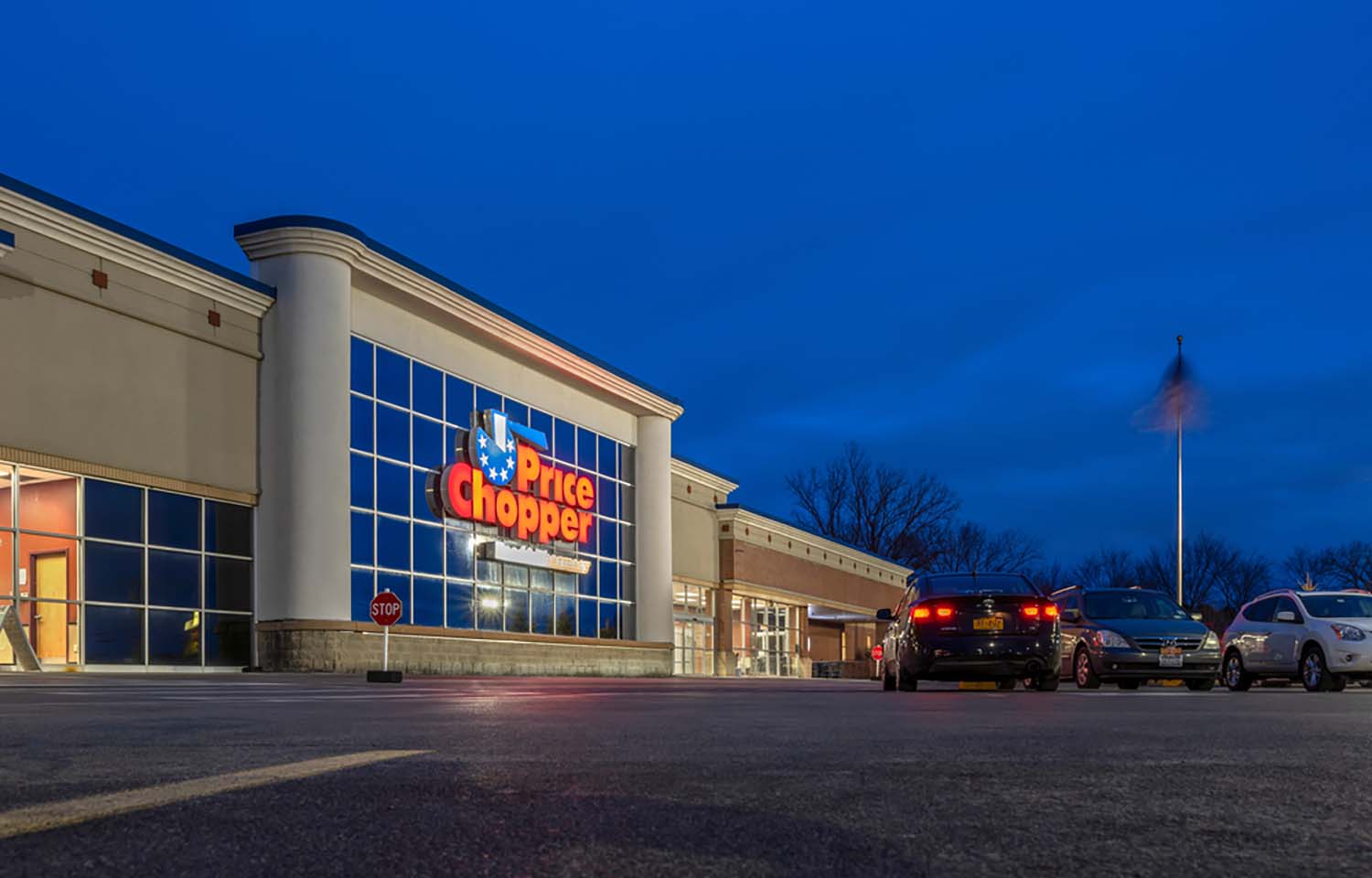
Proposed tariffs will especially affect seafood at retail, according to Jamie Bouchard, the director of seafood merchandising for Price Chopper-Market 23 in Schenectady, New York, U.S.A., who pointed out that the vast majority of seafood consumed in the U.S. is imported. He told WKBW News Buffalo that he expects the sweeping tariffs to have a USD 1 million (EUR 859,000) impact on the Price Chopper’s business of around 130 stores.
Restaurant owners and representative groups have expressed equal concern about the new tariffs.
“Operating a restaurant is becoming increasingly difficult due to economic and regulatory pressure and a nearly 5 percent increase in wholesale food costs since last year,” National Restaurant Association President and CEO Michelle Korsmo said. "These new tariffs on food and beverage items will exacerbate the situation.”
The NRA is still evaluating what the newly announced tariffs will entail, but Korsmo said it is clear that they will “increase the cost to access many important menu products.”
"With restaurants operating on very tight margins, many operators may have no choice but to increase menu prices – something they are reluctant to do because we know Americans may have to make the choice to dine out less frequently if prices go up,” Korsmo said. “Fewer people dining out jeopardizes an industry that supports millions of jobs and local economies.”
Similar to French, Korsmo urged the Trump administration to “continue with sensible trade agreements.”
“While addressing trade deficits is important, food and beverage products are not major contributors to these imbalances. We strongly advocate for exempting food and beverage items from tariff negotiations,” Korsmo said.
Many restaurant chains have already raised menu prices this year in response to tariffs, but other chains like Red Lobster have said they don’t plan to implement price increases. Red Lobster CEO Damola Adamolekun told ABC’s “Good Morning America” that the Orlando, Florida, U.S.A.-based restaurant chain is not intending to implement any more price increases for the year, “regardless of what happens with tariffs.”
"That impacts our business, and our intention is not to pass that through,” he said.
Retail giant Amazon, which recently reported a 13 percent spike in Q2 2025 net sales, is similarly planning to stay the course.
“There continues to be a lot of noise about the impact of tariffs will have on retail prices and consumption. Much of it, thus far, has been wrong and misreported. As we said before, it's impossible to know what will happen,” Amazon CEO Andy Jassy said, per Supermarket News. “What we've seen thus far … is that through the first half of the year, we haven't yet seen diminishing demand or prices meaningfully appreciating.”
