



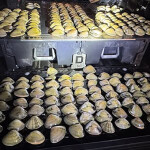


Dalian, China-based seafood importer and processor Asia Fishing Port is making a second attempt at an initial public offering after withdrawing a previous attempt.
The company, which supplies seafood products to IKEA and Pizza Hut under the AsiaSea brand, is preparing to list on the Beijing Stock Exchange, a yet-to-be-created board specifically intended for smaller firms. The market, announced by China President Xi Jinping on Thursday, 3 September, will become China’s third stock exchange after the Shanghai and Shenzhen stock exchanges.
Asia Fishing Port, which distributes its own products while also supplying restaurant chains, is backed by two giants from different ends of China’s food system – feed producer New Hope and e-commerce conglomerate Meituan, which have a 15 percent and 14 percent stake holding in Asia Fishing Port, respectively.
The New Hope Group has investments in agriculture, real estate, and financial services across China, while Meituan has raised USD 10 billion (EUR 8.5 billion) this year to fund expansion into the grocery sector and drone-delivery technology.
Asia Fishing Port took a beating from the COVID-19 pandemic, with its revenues dropping from CNY 1.2 billion (USD 180 million, EUR 156 million) in 2019 to CNY 897 million (USD 134 million, EUR 116 million) last year, according to the company’s listing prospectus. The company singled out a severe impact on its imported shrimp business in particular from the global crisis. Yet the company’s profit margins remain at an impressive 16.5 percent and 15.2 percent, respectively, for the two years.
In a sign of more vigorous screening of listing applicants on the next exchange, Asia Fishing Port went through a year-long process that included visits by securities officials to its retail outlets. Chinese media reported that 16 of 20 IPO applicant firms withdrew their listing applications after hearing they’d be subject to on-site inspections by the CSRC, which appears to be wary of young firms’ claims about the extent of their branch networks. China’s stock markets have historically been plagued by poor governance and lack of transparency, but remain largely protected from competition, given the limited convertibility of the Chinese currency, one of the factors making overseas listings cumbersome.
Photo courtesy of Asia Fishing Port
