





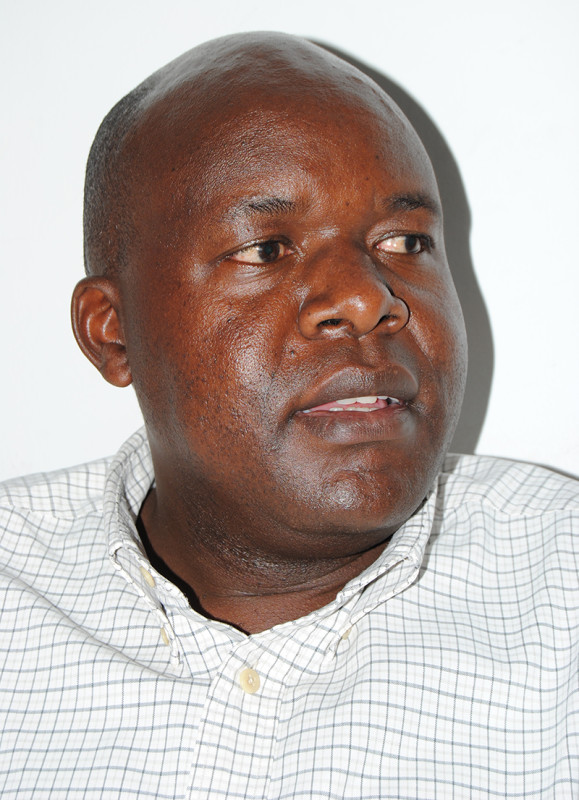
Cape Town, South Africa-based Sea Harvest Group recorded a 5 percent increase in total revenue and a 10 percent increase in operating profit in 2021.
A lower output from its harvest division was offset by strong performances in its Australian, aquaculture, and food divisions, it said. Group revenue increased to ZAR 4.6 billion (USD 298.8 million, EUR 267.6 million) in 2021, with its operating profit rising to ZAR 691 million (USD 44.8 million, EUR 40.2 million).
Sea Harvest's aquaculture division reported a revenue increase of 72 percent in 2021 to ZAR 92 million (USD 6 million, EUR 5.4 million) “as a result of additional abalone formats and good live-volume growth, offset by 8 percent stronger rand [exchange rate] to the U.S. dollar.”
The firm's aquaculture segment still saw a loss in terms of operating profit, but that loss was reduced to ZAR 64 million (USD 4.2 million, EUR 3.7 million) down from ZAR 73 million (USD 4.7 million, EUR 4.2 million) in 2020.
Approximately 80 percent of the revenue from Sea Harvest's aquaculture operations were from abalone sales, despite the company saying it faced difficult trading conditions due to COVID-19, which impacted freight availability, resulted in inflated freight costs on international airlines, and triggered lockdowns, leading to volatility in international foodservice markets.
“Through 2021, we worked really hard to implement key changes to our aquaculture business, which we know will hold us in good stead once the market rebounds,” Sea Harvest Group CEO Felix Ratheb said.
Recent changes at Sea Harvest include the introduction of new key executive management with a sales focus, and a streamlining of the core assets within the fish-farming portfolio.
The group’s South African fishing division, which produces more than half of the company’s revenue, reported a 3 percent drop in revenue for the period ending 31 December, 2021, to ZAR 2.66 billion (USD 175 million, EUR 157 million) from ZAR 2.8 billion (USD 181 million, EUR 163 million).
The fishing division also saw a dip in gross profit as the business grappled with a 5 percent reduction in hake total allowable catch, a 7 percent strengthening of the rand to the euro, and a 21 percent increase in fuel price.
Despite the challenges, the fishing division posted an 18 percent increase in operating profit to ZAR 672 million (USD 44 million, EUR 40 million) as Sea Harvest said it took advantage of the good fishing conditions and improved vessel utilization to minimize the decline in earnings during the reporting period.
Sea Harvest's international operations in Australia, created through its 2019 purchase of Mareterram, posted 7 percent growth in revenue to AUD 50 million (USD 36.3 million, EUR 32.5 million), up from AUD 10.2 million (USD 7.4 million, EUR 6.6 million) in 2020, due to “strong catches resulting in increased volumes of its own wild-caught fisheries products," the company said.
The division’s gross profit grew 24 percent to AUD 12.5 million (USD 9 million, EUR 8.1 million) up from AUD 10.2 million (USD 7.4 million, EUR 6.6 million). A large share of the Sea Harvest International revenues came from Cape hake and prawn, which accounted for 34 percent and 30 percent of the group’s Australian revenues and 38 percent and 31 percent of total gross profit, respectively.
The company also said it expects to complete its acquisition of Western Australia-based MG Kailis, which it announced in January, on 2 April 2022. The company called the purchase a “transformative deal for Sea Harvest Australia” as it doubles the size of the business.
“While our different business segments delivered a mixed performance, the overall results are certainly pleasing, given that we had to navigate a world gripped by a pandemic for a second year running,” Ratheb said.
Photo courtesy of Sea Harvest Group
