






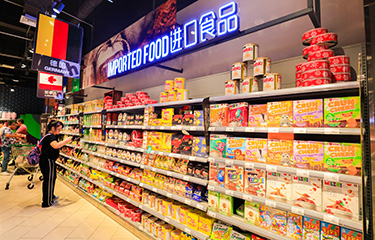
A new labeling requirement for foreign food imports by China continues to create difficulties for foreign exporters, and a lack of transparency from Chinese customs authorities is complicating matters, according to a new policy document from the European Union Chamber of Commerce in China.
Chinese Customs Decrees 248 and 249, implemented at the beginning of this year, requires food imported into China to have Chinese-language labeling and identifiers inside and outside of packages. Exporters are also required to register with the China Import Food Enterprise Registration (CIFER) system, operated by the General Administration of Customs China.
“Although the Regulations on the Administration of Registration of Overseas Food Manufacturing Enterprises [also known as Decree 248] came into effect in January 2022, food importers still face difficulties in completing registration,” according to the annual Position Paper for the Food and Agriculture Working Group at the Chamber.
When it was first introduced, Canada’s lobster export industry flagged the impact of Decree 248 as a threat to its processed lobster shipments to China. Thus far, the rules apply only to processed seafood, including frozen and cooked products. But Lobster Council of Canada Executive Director Geoff Irvine said he expects China will soon expand the labeling requirements to the live export sector.
According to the E.U. Degree 248 “expands the scope of registration to manufacturers of all types of food, introduces risk-management principles, and urges companies to establish effective food safety and hygiene management systems to ensure food exported to China meets requirements.”
While the decree is aimed at improving food safety, it also features several cumbersome bureaucratic requirements that impose a significant administrative burden on exporters to China. For example, a company must amend its CIFER registration every time it changes its legal representative, according to the notes from the E.U. Chamber of Commerce. And ensuring each product’s registration number is displayed on the inner and outer packaging of a food product can be extremely difficult, it said.
Several European food exporters reported to the chamber that when they contacted the official dedicated email address concerning technical issues with their registration on CIFER, they received only a standard reply recommending they follow the guidance provided in an attached CIFER manual.
“However, as the CIFER manual does not and cannot address all issues, an additional communication channel in English is needed,” the E.U. Chamber paper noted.
The chamber is calling for more clarity from Chinese authorities on registration and post-registration audits. It’s also asking China’s General Administration of Customs to “provide further guidance on the scope and implementation of Decree 248, including frequently asked questions (FAQs) on registration through the China Import Food Enterprises Registration (CIFER) platform.”
Photo courtesy of Humphrey/Shutterstock
