



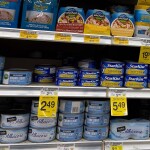


Online grocery sales spiked in January, while frozen food sales soared throughout 2020, according to new data.
Overall frozen food retail sales jumped 21 percent to USD 65.1 billion (EUR 53.5 billion) in 2020, according to new data from the American Frozen Foods Institute (AFFI) and FMI - The Food Industry Association.
The frozen seafood category had the highest gains last year, spiking 35.3 percent, according to AFFI and FMI, followed closely by poultry with a 34.7 percent spike in sales and appetizers, which grew nearly 29 percent.
Plus, in January, frozen seafood sales continued the double-digit growth they experienced throughout the year, jumping 38.6 percent to around USD 602 million (EUR 498 million), according to IRI Worldwide.
“Shoppers are nearly a year into the COVID-19 pandemic and are having more family meals at home than ever before. They are looking for meal plans, culinary creativity and convenient, cost-effective solutions,” FMI Vice President of Industry Relations Doug Baker said in a press release. “The frozen foods category offers these benefits to shoppers and that’s why we see all areas – from meal ingredients to meal solutions – reaching new audiences and increasing purchases.”
Online frozen food sales surged 75 percent in 2020, according to AFFI and FMI. Notably, frozen entrees, meat, poultry, and seafood were the best-selling products online.
Meanwhile, total U.S. online grocery sales jumped 15 percent in January to USD 9.3 billion (EUR 7.6 billion), according to a new Brick Meets Click/Mercatus Grocery Shopping Survey.
Nearly 70 million U.S. households placed on average of 2.8 orders across delivery, pickup and ship-to-home, the research firm said in a press release. The delivery and pickup segment accounted for 77 percent of all online grocery spending, reaching USD 7.1 billion (EUR 5.8 billion) in January.
Retailers are ramping up their e-commerce capacities to take advantage of consumers’ online buying surge. Walmart, for example, plans to invest heavily over the next year in a more automated e-commerce fulfillment environment, CEO Doug McMillon said at an investors’ conference, Retail Dive reported.
"We'll be investing in our distribution centers, our e-commerce fulfillment centers and in market fulfillment centers, which will, in many cases, be inside of or built beside our stores,” McMillon said.
Photo by Christine Blank/Seafoodsource
