






The U.K. grocery retail landscape continues to suffer losses after months of soaring inflation and record-setting grocery price inflation in January.
Inflation of U.K. grocery prices reached 16.7 percent in the four weeks ending 22 January, 2023, according to Kantar, the highest level since the research firm started tracking the figure in 2008.
“Late last year, we saw the rate of grocery price inflation dip slightly, but that small sign of relief for consumers has been short-lived,” Kantar Head of Retail and Consumer Insight Fraser McKevitt said in a press release. Households now face an extra GBP 788 (USD 971, EUR 894) in annual food-shopping costs, according to McKevitt.
Chilled fish sales declined 1.3 percent in the U.K. for the quarter ending 25 December,up from the 3.7 percent drop for the quarter ending in late November, according to Kantar.
The U.K.’s smoked fish sub-category realized the largest spending and volume decline during Christmas, as sales plummeted 10.6 percent and volume dropped 14.5 percent compared to Christmas 2021.
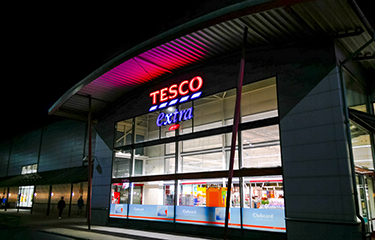
In response to the ongoing inflation issue, U.K. retailers are making some drastic moves. Tesco will eliminate around 1,750 lead and team managers in its large stores, but said it will add around 1,800 positions in other stores. And after closing meat, seafood, and hot deli counters in around 390 stores since 2019, Tesco is moving to close all its remaining counters starting in February.
“We have seen a significant decrease in demand for our counters over the last few years, and our customers no longer say they are a significant reason for them to come in store and shop with us. Instead, they are choosing to buy from our wide range of great quality products available in our aisles,” Tesco said.
Rival grocery chain Morrisons’ like-for-like sales, excluding fuel, fell 4.2 percent over the past fiscal year, though its revenue rose 2.2 percent. Morrisons slashed prices on more than 130 of its Savers Range products – including frozen fish fingers and prawns, along with tinned tuna chunks – in early January.
“With continued high food inflation, rising interest rates, an ongoing cost of living crisis and the war in Ukraine set to enter its second year, there is a continuing sense of uncertainty in consumer sentiment,” it said in a press release.
Morrisons has invested over GBP 16 million [USD 19.7 million, EUR 18 million] to make these cuts, as customers look for help on their weekly shop after the expense of Christmas and as the cost of living crisis continues to impact household grocery budgets,” it said.
Tesco also announced price locks on more than 1,000 grocery items through Easter, including Tesco Breaded Plaice Fillets.
“As we start the New Year, we know times are tough for many of our customers right now. We hope this extended price lock commitment gives our customers the certainty of knowing that over a thousand household favorites and own brand essentials will stay at the same low price for months to come – helping them budget when they need it most,” Tesco U.K. Chief Executive Jason Tarry said in a press release.
Competition in the British grocery sector is as intense as it’s ever been as retailers strive to retain shoppers, Kantar’s McKevitt said.
“Across the market, the move is towards everyday low pricing, with many supermarkets offering price-matching and using their loyalty schemes to help shoppers save,” he said.
Efforts by U.K. grocery chains Aldi, Waitrose, and Lidl “seem to have been particularly well received by shoppers,” McKevitt noted.
“Our latest customer satisfaction data shows that Aldi scores best on pricing and overall value for money, while Waitrose stands out for knowledgeable staff, product quality and clean shops,” he said. “Meanwhile, Lidl delivers on easy access to stores and on-shelf availability.”
Aldi was the fastest-growing grocery store chain in the U.K. for the fourth month in a row, as its sales jumped nearly 27 percent in January, compared to January 2021. Lidl’s sales also skyrocketed, rising 24 percent.
To provide shoppers’ value, retailers have also been shoring up their private-label sales, with own-label sales surging 9.3 percent in January, far outpacing brand product sales, which grew 1 percent, Kantar reported.
Photo courtesy of Viacheslav Life Studio/Shutterstock
