






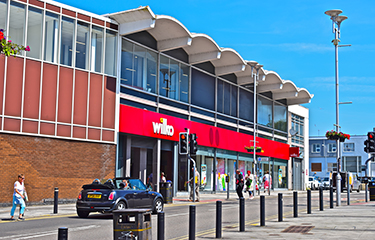
Record high inflation and soaring energy costs that have left U.K. consumers in a financial bind have started to abate recently, but the collapse of retail giant Wilko, which operates over 400 stores across the U.K., highlights the toll the recent economic climate has taken on the entire industry.
Wilko went into administration on 10 August and called in administrators after it could not secure a rescue deal. This signals the extent of the challenges that grocery chains across the country are facing, research firm Kantar said.
“Wilko is a popular choice for many shoppers, with 7.6 million households visiting its stores to buy groceries in the last year,” Kantar Head of Retail and Consumer Insight Fraser McKevitt said. “Wilko’s rivals will be keeping a close eye on its fortunes in the coming days and weeks as they look to draw some of its shoppers through their doors.”
Though Wilko’s downfall is concerning for the retail industry, overall U.K. grocery price inflation fell by 2.2 percentage points to 12.7 percent in the four weeks ending 6 August, according to new data from Kantar. That is the second sharpest monthly decline since 2008, McKevitt said in a press release, but it still remains a high figure for many shoppers.
Regardless, take-home grocery sales rose 6.5 percent in July, continuing a summer-long sales boon that peaked with a 10.4 percent increase in June.
Prices are still up year over year across most supermarket shelves, but the cost of some staple goods is starting to edge down compared to earlier in 2023, McKevitt said.
Own-label goods remained popular in July, as sales rose 9.7 percent, while branded products rose by 6.4 percent.
Demonstrating how Britons are seeking value, Aldi was the fastest-growing retailer for the fourth month in a row, with sales increasing by 21.2 percent in July compared to the same month a year prior. Lidl’s sales also rose by 19.8 percent.
Both Tesco and Sainsbury’s maintained their supremacy over the entire grocery market, outperforming the market in July, with sales growth of 9.5 percent and 9.3 percent, respectively, over the 12 weeks ending 6 August.
The unusually cold weather the U.K. has experienced this summer has also largely influenced the type of products shoppers purchased in July .The amount of soup purchased, for example, jumped up 16 percent.
“Instead of our usual summer fare, it seems we’ve been turning to more traditional winter warmers,” McKevitt said.
Photo courtesy of Colin Burdett/Shutterstock
