






The mood around China’s economy appears to have darkened as the country posted underwhelming growth in Q3 2022.
China's GDP grew 3.9 percent in the third quarter, some way off the official target for the year of 5.5 percent growth. Retail sales grew 2.5 percent year-on-year in September 2022, well below figures seen in recent years, while catering revenues in the period spanning January to September dropped 4.6 percent year-on-year. Retail sales between January and September were worse, growing just 0.7 percent, though online sales in the period rose 4 percent.
The new economic data has contributed to a slump in investor confidence, with the CSI 300 index of stocks traded on the Shanghai and Shenzhen exchanges dropping 3.1 percent in value on Monday, 24 October.
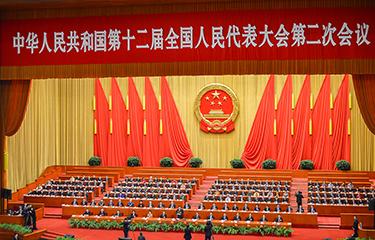
Investors have been disappointed by the absence of any signaling of coming changes to the China’s restrictive zero-COVID policy at the recently concluded Communist Party Congress in Beijing, where Chinese President Xi Jinping was given an unprecedented third term. Following the meeting, some economic research houses watching China, including Capital Economics, suggested the policy won’t be changed until 2024.
Investors in China’s internet companies – drivers of much growth in sales for seafood – have been disappointed by the Congress.
“Another important guideline from the party congress is the doubling down on the state's role and the greater focus on national security,” said Alicia Herrero, China economist at French investment bank Natixis. “This implies that the role of private companies may become subdued, and the hope of loosening regulations on internet platforms remains dim.”
The denting of Chinese consumer confidence has also driven a slump in China’s debt-fueled real estate sector. Sales of floor space fell 22 percent and new housing starts fell by 38 percent in Q3 2022.
Some economists question the country’s long-term prospects under the Xi regime. The Chinese president’s goal of making the country a developed economy in the coming decades will require annual growth rate of 5 percent, but demographic contraction, debt, and low productivity mean the economy is unlikely to grow more than 2.5 percent, according to economist Ruchir Sharma, the former co-head of emerging markets equity at Morgan Stanley Investment Management and current Financial Times columnist.
Photo courtesy of Mirko Kuzmanovic/Shutterstock
