





The South Africa Cabinet has endorsed the timelines for the roll-out of the Fishing Rights Allocation Process (FRAP) to various groups of fishers, starting with the public consultations on policies, application form and fees later in September 2021.
A statement by the Department of Forestry, Fisheries, and the Environment (DEFF) on 5 September said this year’s FRAP process “is committed to allocating resources in a sustainable manner for future generations.”
The department said the process attempts to “balance the competing requirements of broadening access, particularly by marginalized groups and small-, medium-, and micro-enterprises (SMMEs), balancing [the] government’s priorities of transforming the sector but also ensuring the global competitiveness of South Africa’s fishing sector.”
At least 12 sectors are due for reallocation of fishing rights by December 2021 when the process will be finalized paving way for any arising appeals in January 2022.
The department said it is embarking on the review of its General Policy on the Allocation of Commercial Fishing Rights, the 12 sector-specific policies, the Policy on the Transfer of Commercial Fishing Rights, the Policy on Fish Processing Establishments, as well as all fees for applications, licenses, and permits.
The timeframes endorsed by Cabinet include the conducting of socio-economic impact assessment studies, which are being taken into account when reviewing policies and allocations to promote profitability “whilst optimizing transformation and job creation.”
“It also includes the review of the General Policy on the Allocation and Management of Commercial Fishing Rights, the policy on the Allocation and Management of Rights to Operate Fish Processing Establishments, and various sector-specific policies for the allocation and management of commercial fishing rights,” DEFF said.
The department will gazette final policies, application forms, and fees between October and November 2021, and will open the application process then, with a planned closing date of 30 November, 2021.
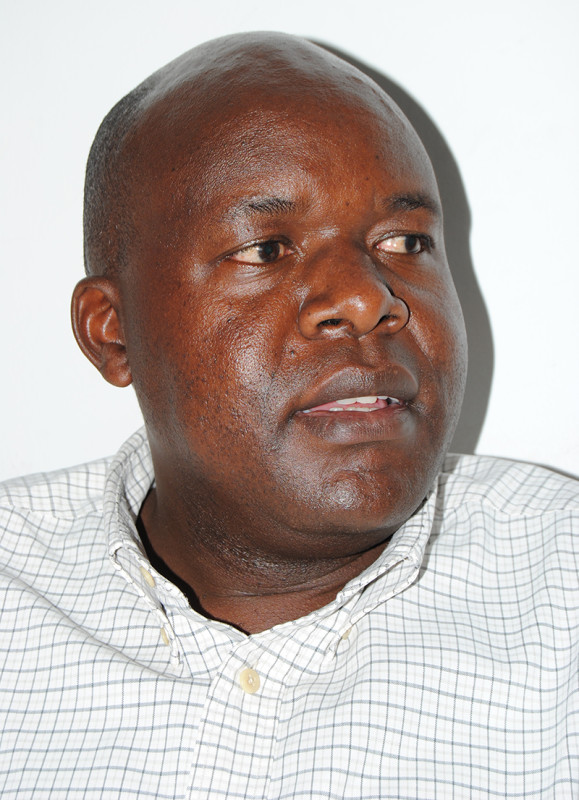
Through the process, South Africa’s seafood SMMEs expect a viable fishing quota allocation that reflect DEFF’s earlier commitment to ensuring balance between “the need for transformation in the fishing industry and economic viability,” according to Cape Town, South Africa-based seafood company Atlantis Seafood Products Founder Luis Figueiredo.
“The fishing industry is extremely capital-intensive and it is difficult for SMMEs to operate their own quotas, resulting in paper quotas,” he told SeafoodSource.
However, Figueriredo said some of South Africa’s seafood SMMEs may have “fully transformed and have made the capital investment to operate their own quotas, but require viable quotas if their investments are to remain sustainable.”
“As the third-largest fresh and frozen fish processing and packaging company in the country, and 100 percent black-owned, we have placed a lot of hope on the upcoming allocation process,” Figueiredo said in an email response.
He said the success of Atlantis Seafood Products’ “has been dependent on imported seafood products and processing works” up until now, but “would require sufficient fishing quotas to service our existing markets without relying on imports.”
“We need guaranteed, sustainable access to locally caught hake and other seafood products, because we believe that a viable quota granted to our business would directly benefit our workforce and the local Atlantis community,” he said.
Photo courtesy of Atlantis Seafood Products
