


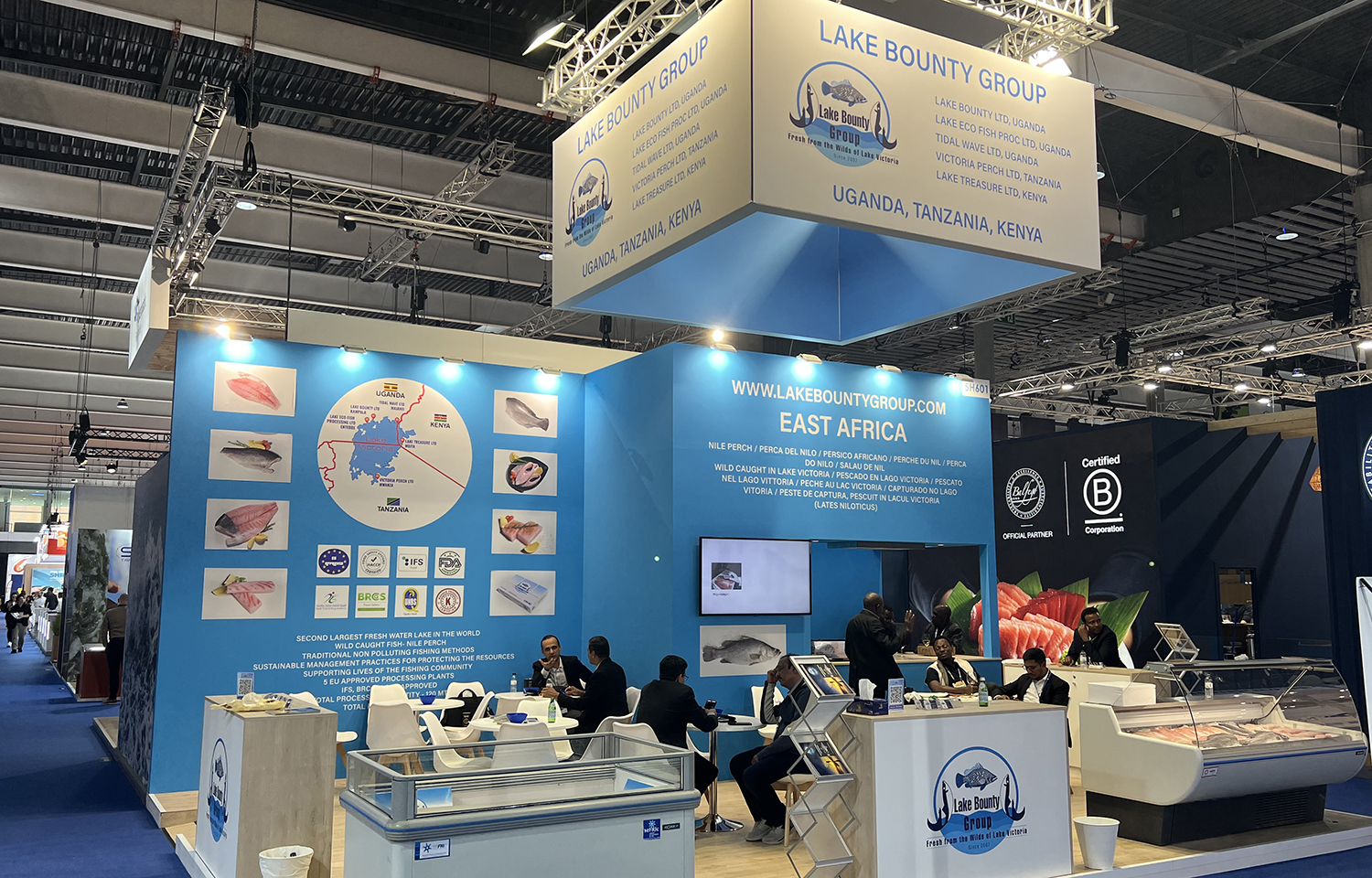
Ugandan Nile perch is suffering a global identity crisis, according to Sudheendra Kashyap, the head of sales for the Americas at Uganda-based seafood-processing and -exporting firm Lake Bounty Group.
Kashyap told SeafoodSource at the 2025 Seafood Expo Global, which took place 6 to 8 May in Barcelona, Spain, that many overseas buyers are misnaming or misrepresenting the fish as barramundi or sea bass, which are often considered more premium species and sell for higher price points.
“The [latter] are seawater fish; our fish is a freshwater fish,” he said. “We don’t want people to mislabel it. People should know what they are eating.”
The alleged misrepresentation comes as Lake Bounty is hoping to grow sales of its Nile perch in Asian markets like China, while simultaneously building its presence in the American and European markets where Nile perch is sought after by restaurateurs, according to Kashyap, who said these professionals are also selling the fish as grouper.
“This means our identity is lost,” Kashyap said. “We have a good, chemical-free, freshwater product. It’s as good as it gets.”
Misrepresentations of seafood has been a longstanding issue for the industry, as evidenced by recent investigations in the U.S. South.
SeaD Consulting claims to have uncovered “widespread misrepresentation” by restaurants in the U.S. state of Mississippi that mislabeled imported shrimp, in some cases claiming it was locally caught.
Similarly, in neighboring Louisiana, SeaD Consulting also conducted a genetic investigation into shrimp served at restaurants in the city of Lafayette, revealing that 33 percent of shrimp served in local restaurants is not locally sourced.
In response, the U.S. Federal Trade Commission has issued guidance warning restaurants that any décor implying the seafood they serve is local when it isn’t is illegal and could result in fines.
Other instances of seafood misrepresentation, both alleged and actual, have occurred in such markets as Canada and China.
“Seafood is a high-risk product for food fraud; this includes mislabeling, but also illegal products making their way into supply chains,” former Oceana Canada Seafood Fraud Campaigner Sayara Thurston said in 2021. “Seafood is one of the most highly traded food commodities in the world, and complex supply chains can mask illegal fishing, seafood fraud, and human rights abuses and cost millions in tax revenue lost from the legitimate economy.”
