






Aquaculture companies in Chile and Ecuador have signaled that the newly published 2025-2030 Dietary Guidelines for Americans represent a significant opportunity to increase shipments to what is already one of their largest markets.
Released on 7 January by the U.S. Department of Health and Human Services (HHS), the new Dietary Guidelines encourage Americans to “eat real food” – such as high-quality protein, healthy fats, fruits, vegetables, and whole grains – and avoid processed foods. The guidelines recognize seafood as a whole-food source of key nutrients and encourage Americans to eat at least three or more servings of seafood per week in order to prioritize the intake of omega-3 fatty acids. The guidelines are likely to impact the amount of seafood that U.S. schools and federal nutrition programs purchase.
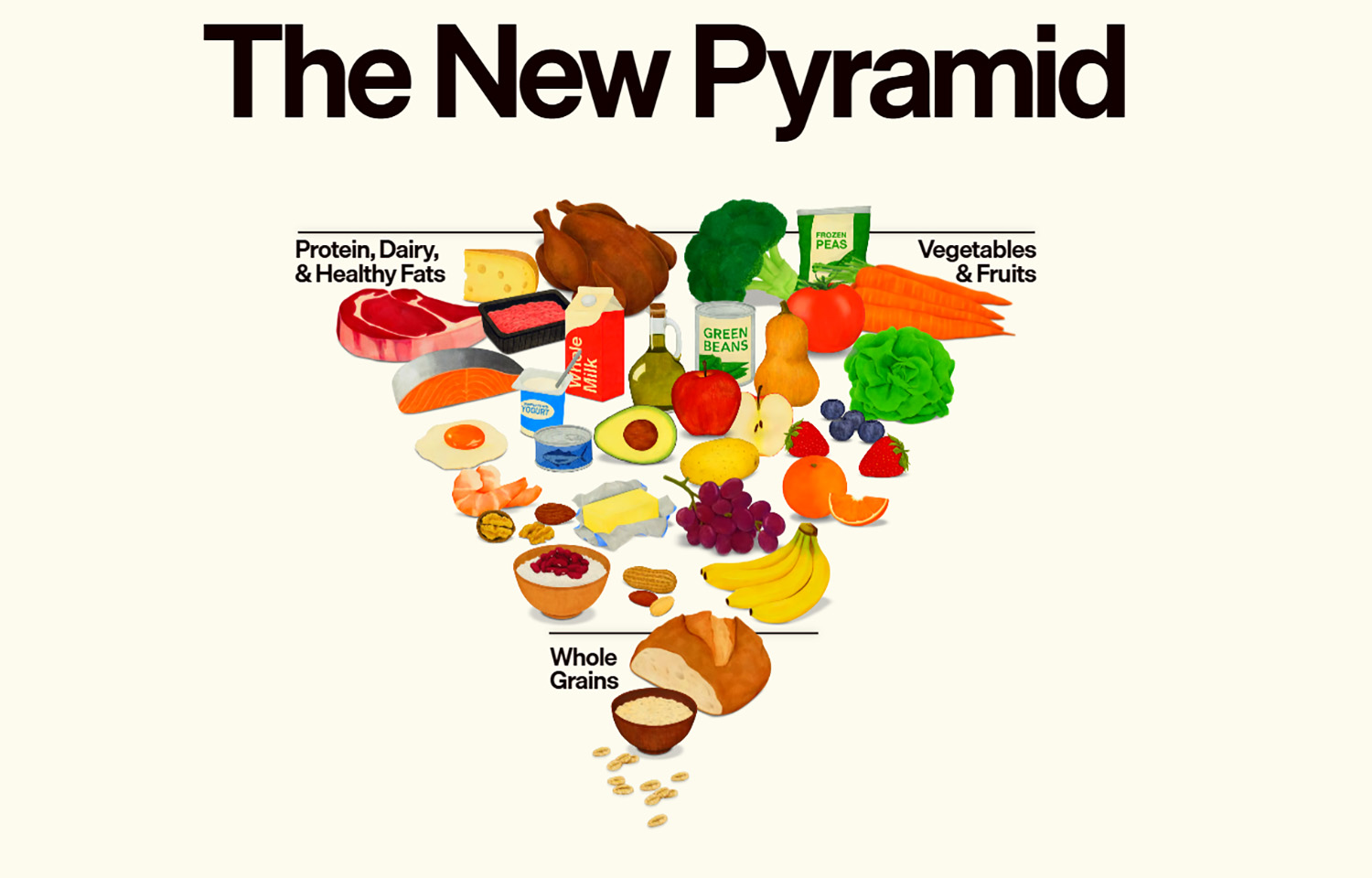
Within the guidelines is a new “inverted” food pyramid, which places salmon and shrimp prominently near the top, and Chilean and Ecuadorian aquaculture industry groups were quick to market their products as ideal choices within this framework.
In the HHS’ push for increased intake of omega-3-rich seafood, salmon stands out for its contribution to better cardiovascular health, a reduction in chronic inflammation, and greater insulin sensitivity, Chilean salmon-farming industry organization SalmonChile noted in a release.
“These [HHS] guidelines confirm that salmon is a complete, nutritious food that is easy to incorporate into the daily diet, thanks to its contribution of high-quality proteins and healthy fats such as omega-3,” SalmonChile President Arturo Clément said, highlighting that Chile’s quality and reliable production of salmon make it a healthy option for families in the U.S. looking to incorporate new government recommendations.
The U.S. is Chile’s largest buyer of salmon, receiving about 40 percent of the South American country’s salmonids sent abroad in 2025.
For its part, Ecuador’s National Aquaculture Chamber (CNA) noted that the HHS’ recent publication of its new food pyramid aligns with efforts in Ecuador to promote technical and nutritional information about shrimp.
“For several years, through initiatives such as [the Sustainable Shrimp Partnership] and the [El Mejor Camarón del Mundo] campaign, the country has developed nutritional guides with technical information that strengthen the positioning of shrimp as a real and nutritious protein, promoted under responsible production standards,” CNA said in an Instagram post.
The CNA also noted that the U.S. has been a strategic market for the Ecuadorian aquaculture industry, buying about 20 percent of its shrimp exports.
The Sustainable Shrimp Partnership (SSP) – launched by the Ecuadorian seafood industry in 2018 as a pre-competitive collaboration to improve shrimp sustainability standards – added that just one serving of shrimp provides about 18 grams of lean protein, offering all nine essential amino acids, omega-3 fatty acids, essential vitamins, minerals, and phytonutrients.
“As consumers look for practical ways to meet these higher protein targets, the type of protein on the plate is equally important. Shrimp, the most popular seafood consumed in the U.S., offers a familiar, accessible, and responsible option that fits well within this shift,” the organization said.
SSP made special mention of its Shrimp Nutrition Guide – a toolkit for registered dietitians developed by SSP and the Seafood Nutrition Partnership – as a key tool in using shrimp to help replace proteins higher in saturated fat. It also highlighted shrimp’s relatively low environmental footprint when responsibly sourced.
Though the new guidelines offer opportunities to Chilean and Ecuadorian firms, obstacles still remain in the form of U.S. “reciprocal” tariffs.
“Any tariff that may be levied on our product directly affects millions of American consumers who today, more than ever, need access to healthy and affordable proteins to improve their health,” Clément said. “The most beneficial thing for North American consumers is to maintain barrier-free and tariff-free access to a high-quality protein, fundamental for the well-being and health that the United States government itself now promotes.”
