






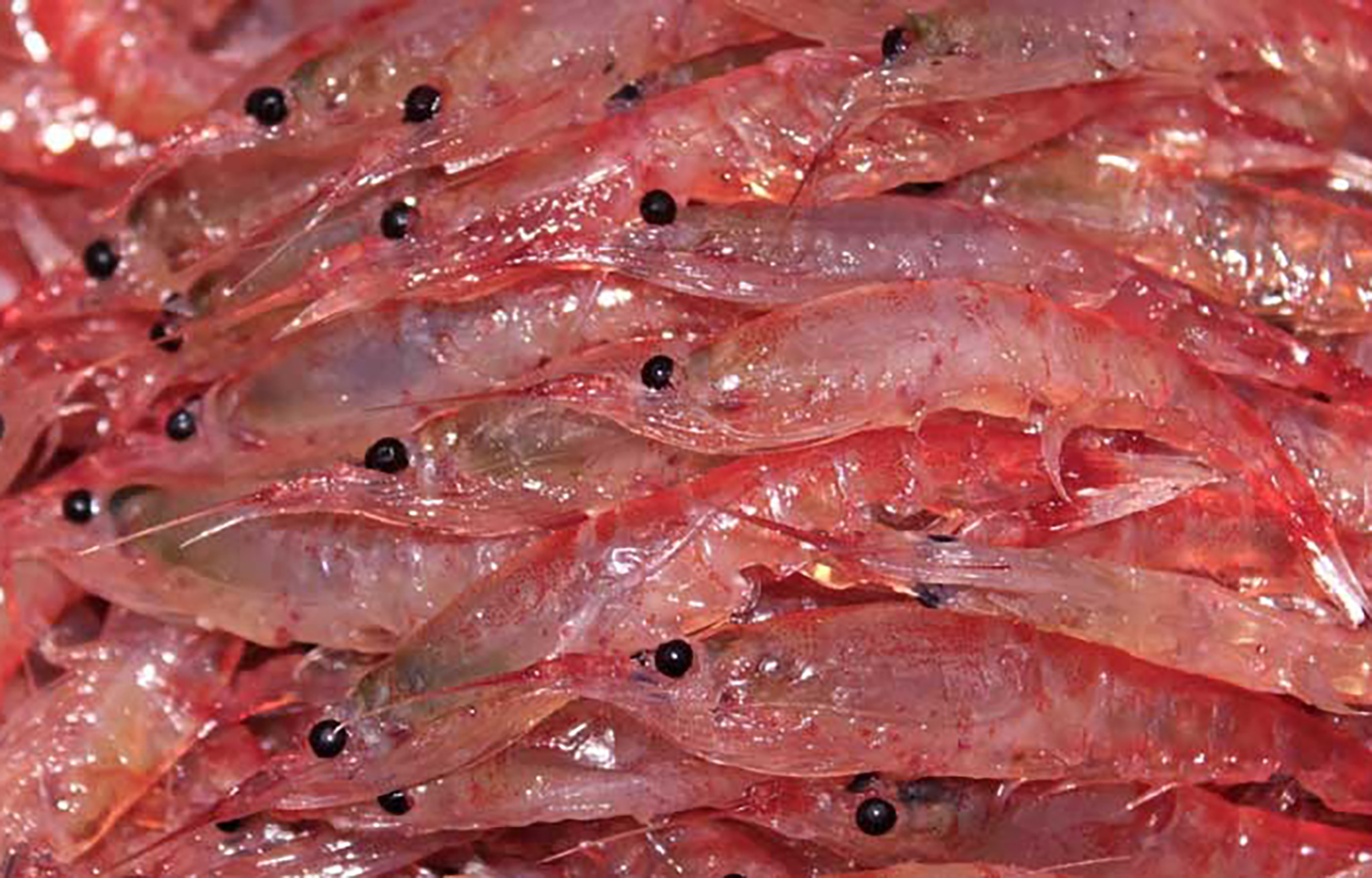
Chinese fishing company Shanghai Kaichuang Marine International has largely expanded its krill catch in 2025 and, therefore, saw its profits soar over the first three quarters of the year.
During the nine-month period, the firm’s krill catch rose 198 percent year over year, amounting to 55,377 metric tons (MT). Simultaneously, the company’s tuna catch rose 16 percent and it experienced a 145 percent spike in government subsidies, all of which contributed to its profits jumping 270 percent during the time frame, totaling CNY 60.5 million (USD 8.5 million, EUR 7.4 million).
Kaichuang also recorded revenues of CNY 1.7 billion (USD 240 million, EUR 210 million) over the first three quarters, marking a year-over-year decrease of just under 2 percent.
The company’s increase in krill catch coincides with broader Chinese ambitions to ramp up its presence in the Antarctic.
“For a populous country with relatively deficient natural resources like China, the comprehensive exploitation and utilization of Antarctic marine resources shall have an important strategic significance,” Kaichuang said on its website.
Other Chinese firms active in the Antarctic krill fishery include Liaoning Pelagic Fisheries Corporation (Liaoyu), which is government-owned.
Similar to Kaichuang, Dalian-based Liaoyu reported that its catch totals for the most recent krill-fishing season – which closed early for the first time ever when its catch limit of 620,000 MT was reached in just seven months – eclipsed 70,000 MT and its daily high exceeded 1,019 MT, both of which are records for the Chinese distant-water fleet.
Amid rapidly expanding catch rates, environmentalists and other krill stakeholders have expressed concern over the fragility of the Antarctic ecosystem.
Dimitri Sclabos, the CEO of krill consultancy firm Tharos, which advises Kaichuang among other firms, told SeafoodSource that it is important for companies operating in the region, as well as entities like the Commission for the Conservation of Antarctic Marine Living Resources (CCAMLR) that set management measures for the fishery, to show "visible restraint, transparency, and proportionality, not just through marine protected areas but through stricter scrutiny of at-sea operations and onshore reprocessing."
