




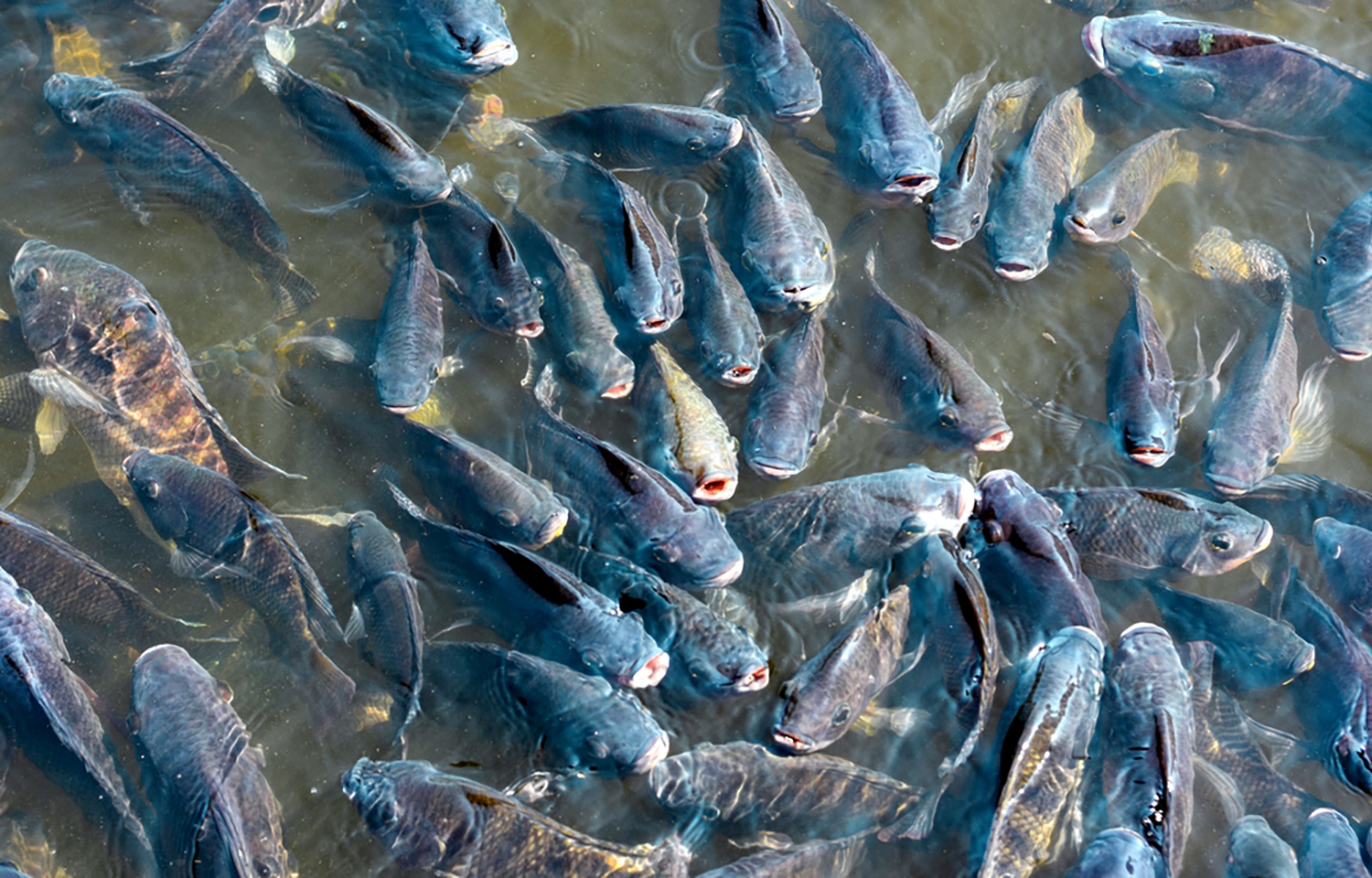
Chinese tilapia producers, processors, and exporters are sounding the alarm after U.S. buyers have asked to hold their shipments in the wake of tariffs initiated by the administration of U.S. President Donald Trump.
“[U.S. buyers] do not want to pass along the tariff increases to their customers. They are looking for new suppliers for tilapia outside of China,” a tilapia processor in Southern China who requested to remain anonymous told SeafoodSource. “While it's possible to export to the U.S. despite the additional tax, I expect China tilapia sales to significantly drop in the U.S. Tilapia is likely to become insignificant in the U.S. seafood market if the high tariff remains unchanged.”
Tilapia farmers on the island province of Hainan are especially feeling the pain, as they are still recovering from the effects of Typhoon Yagi last year as well as new emissions regulations from the Chinese government that are forcing farmers to invest in new infrastructure to meet their criteria.
Others in the sector see a slightly brighter future for Sino-U.S. tilapia trade than the processor described, in that the trade will continue but at lower levels.
“I think we will see the U.S. buy less tilapia from China but will keep the business going,” said Landy Chow, head of the China offices of seafood import/export business Siam Canadian. “There is simply no alternative as China is still a dominant tilapia exporter. Southeast Asian countries and South America have very few tilapia farms.”
Chow also said that uncertainty over the future direction of tariffs will make investments in new tilapia farms outside of China less likely.
“I think that few people will invest in tilapia farming in other countries. If the tariff against China is in place for five to 10 years, such an investment might be good; however, if Trump [pivots and] reaches an agreement with China and the duty is reduced as a result, the investment will lose competitiveness,” he said. “There are too many uncertainties and no alternative on the table for tilapia.”
To that point, Trump has shifted the tariff on Chinese goods multiple times over the past few weeks, with the latest change being an increased tariff of up to 245 percent on certain Chinese exports to the U.S.
Bjorn Marius Jonasson, director of sales at Iceland Seafood International, which has operations in China and the U.S., described the situation as “volatile and unpredictable.” He thinks this is leading U.S. seafood importers to pull back.
“We have had people refrain from ordering containers, and we are at 10 percent [tariffs in Iceland],” he said. “Those who are looking at higher tariffs will not be loading any of the containers and may halt, delay to assess, or cancel all together.”
The fallout for shipping companies is feeding into volatile freight rates, especially if volumes from Asia drop, making one-way shipments a costly proposition, Jonasson added.
“When no containers return from Asia, it’s one-way freight,” he said.
China’s total seafood exports to the U.S. rose by 9.8 percent year over year in 2024, and the U.S. is the second biggest buyer of Chinese seafood after Japan, making the volatility of the traditionally dependable market significantly impactful for stakeholders up and down the Chinese seafood value chain.
