






The promoter of a large fishing and processing project in Nigeria has struggled to find investors to get the project up and running.
The backers of the Atlantico Fishing Port and Processing Zone want to tap the country’s “huge pelagic and demersal resources,” which are “untapped due to a lack of capacity of the local operators,” said Emeka Chukwu, CEO of the company seeking to develop the project.
“That is why we intend to develop our fishing port project so that we can cut down on those imports,” he told SeafoodSource.
Nigeria is the top buyer of Irish seafood exports by volume outside of the E.U. and buys significant amounts of whitefish from other European nations.
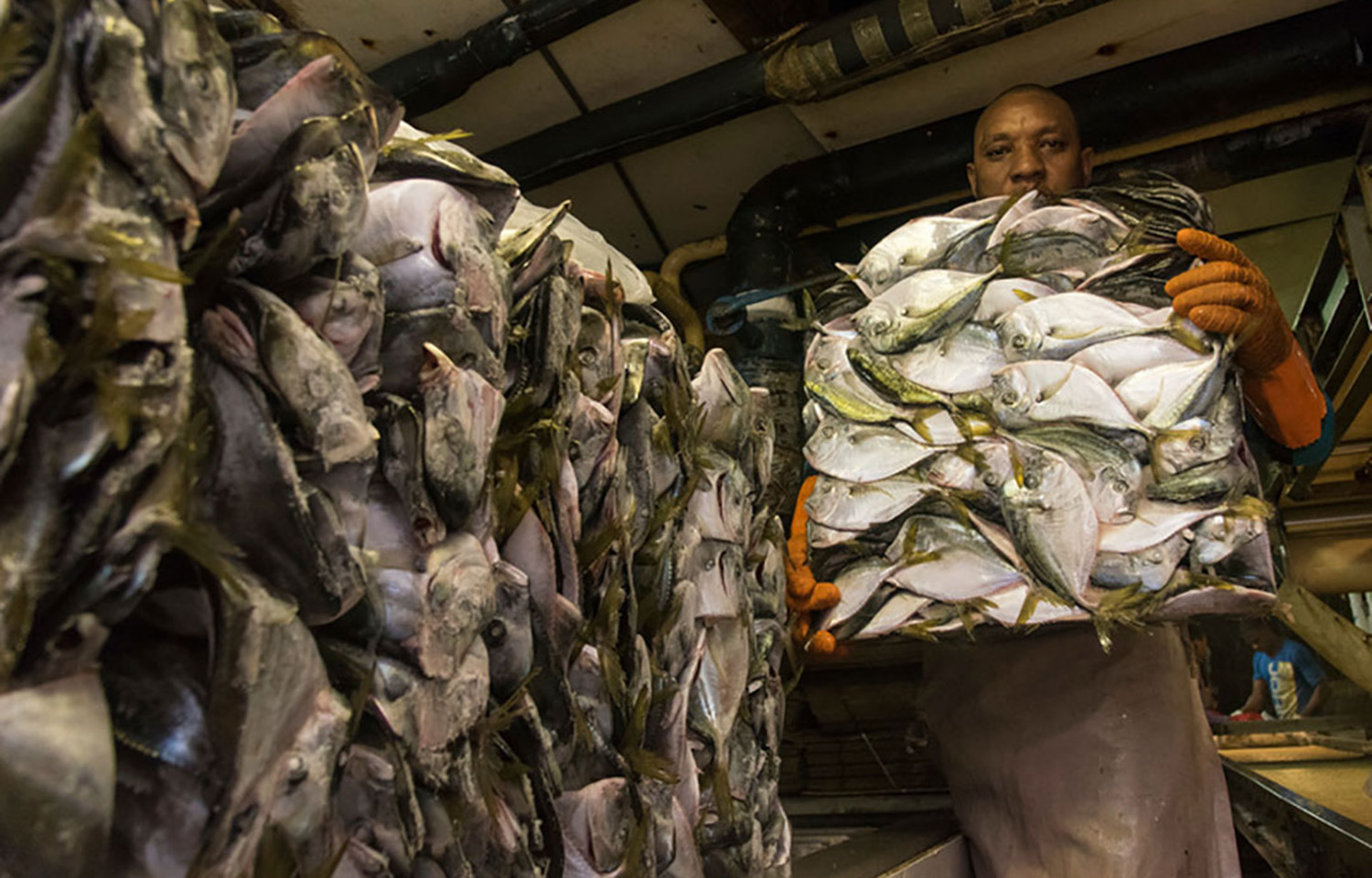
“Nigeria is a very large importer of seafood, especially frozen fish not only from Ireland but also from other European countries, like Norway, U.K., Netherlands, Denmark, Iceland, and Russia from both their European Atlantic catches and their Pacific catches. We also buy from China, Japan, Korea, and India,” Chukwu said. “If we develop our fishing port project, the imports will be greatly reduced. Imports are needed now because the local capacity is not developed and we have a huge population who needs to be fed.”
External capital and expertise is needed to improve West Africa’s seafood industry, he said.
“There is no vast pool of capital as such in Nigeria,” Chukwu said. “Yes, we can raise some capital in Nigeria but not all of it. The commercial lending rate for Nigeria is high, and that's why we want to match borrowings with foreign investment.”
The project has also talked with potential Chinese partners for the provision of fishing vessels and technical expertise, with the Nigerian side developing the fishing port and onshore processing facilities, according to Chukwu.
Nigeria is a signatory and main player in the Gulf of Guinea Fisheries Commission and is a strong advocate of ethical and sustainable harvest of the marine resources of the Gulf of Guinea countries, Chukwu said.
While present in West African waters, foreign fishing companies appear unwilling to back locally owned processing ventures.
Timezone Marine Ventures, a Yaounde, Cameroon-based firm that has permits to operate 40 vessels in West Africa, has been unsuccessfully seeking partnerships in a fishing and processing venture focused on the domestic market.
Timezone Marine Ventures CEO Edwin Ngwafor said despite multiple trips to China over the past two years in search of partners, the project has yet to secure backing.
“The partners I seek will need to invest to provide the vessels and technical support short term and then eventually in the mid-term a small-scale factory to process the fish product in preparation for local distribution,” Ngwafor told Seafoodsource.
