






The largest menhaden fishing company in the U.S. announced it will likely need to reexamine its operations in 2026 due to proposed cuts to the total allowable catch (TAC) for Atlantic menhaden.
The Atlantic States Marine Fisheries Commission (ASMFC) voted on 28 October to cut the 2026 Atlantic menhaden TAC by 20 percent, reducing it from 233,550 metric tons (MT) to 186,840 MT. The vote drew criticism from both the fishing industry and environmental groups, with the industry calling it unnecessary and environmental groups claiming it ignores problems with the stock.
Groups like the New England Fishermen’s Stewardship Association (NEFSA) claimed that the 20 percent cut could end up causing issues for the industry, and NEFSA Chair Dustin Delano said that even that 20 percent reduction would have “troubling effects on working fishermen, bait suppliers, and the lobster and crab fisheries that depend on menhaden.”
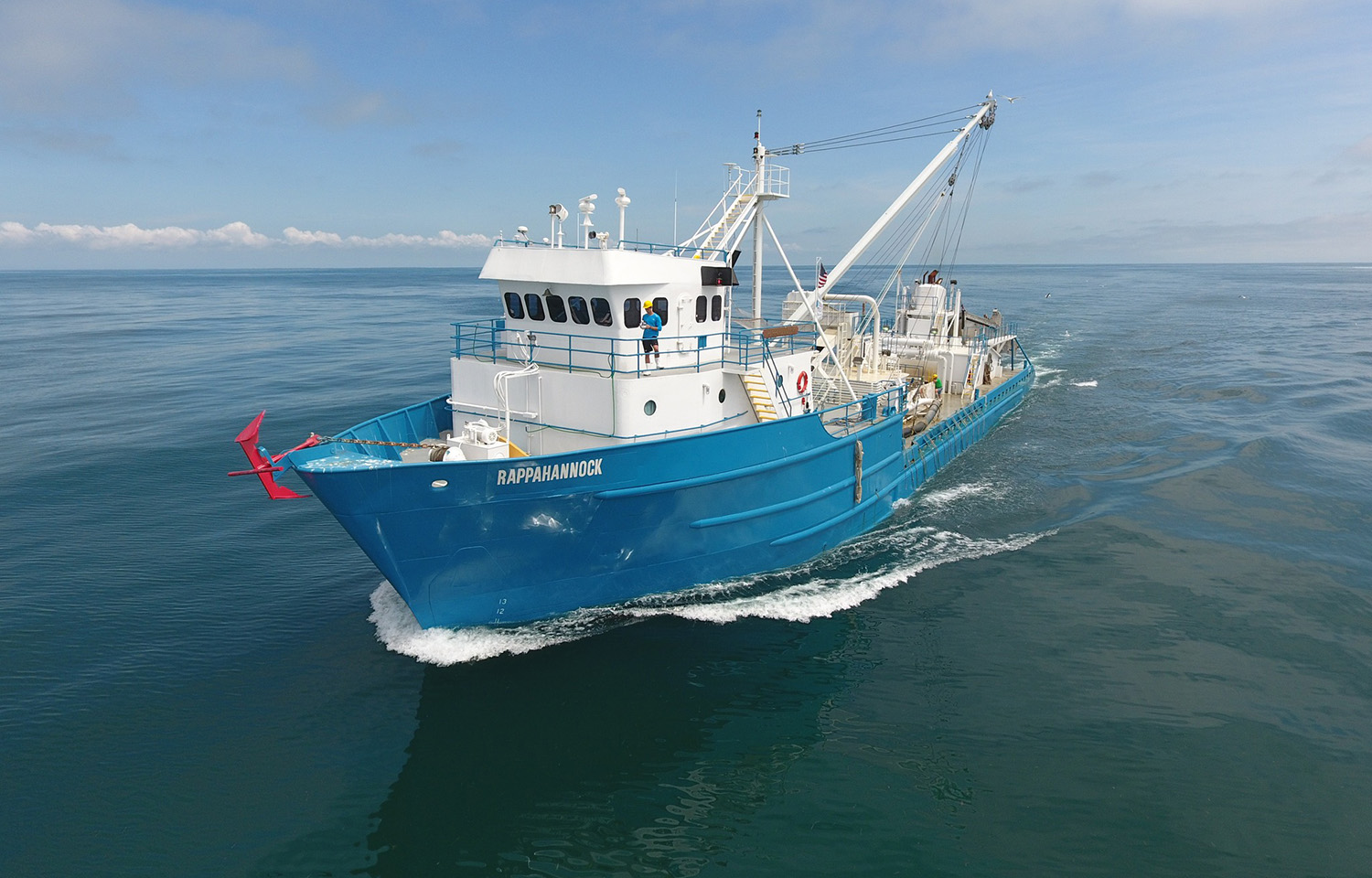
Now, Ocean Harvesters, the largest menhaden harvesting company in the U.S., said “there will likely be some operational adjustments required” at its facility in Reedville, Virginia, in light of the 20 percent TAC cut.
“We are evaluating the extent of those changes now,” the company said. “Looking ahead, harsher cuts in 2027 and beyond, particularly in the absence of new data, would impose needless harm on working families and a 150-year-old fishery, without ecological justification under the ERP risk analyses.”
Environmental reference point (ERP) analysis was the main reason for the cuts to the TAC.
Menhaden moved to an ecosystem-based management strategy in 2020 that’s intended to consider Atlantic menhaden’s position in the wider food chain. Menhaden is a forage species for predators along the Atlantic coast of the U.S., including striped bass, sharks, and birds of prey like osprey.
Environmental groups claim declines in certain species like osprey are directly related to fishing pressure caused by companies like Ocean Harvesters and were pushing for an even steeper 55 percent cut to the TAC in response.
The menhaden fishing industry has, in turn, pointed to recent studies indicating no predator had a “most important” prey species and relied on a web of other food sources, meaning declines in predator species can’t be attributed to any decline in menhaden. The industry also said the data shows that there isn’t a significant decline in menhaden caused by fishing.
“The latest SEDAR 102 work shows menhaden are not overfished, overfishing is not occurring, and the probability of crossing the ecosystem overfishing threshold at the current TAC is low,” Ocean Harvesters said. “The same record indicates that maintaining the status quo or making, at most, a modest, precautionary trim is consistent with risk policy; in particular, a reduction on the order of 10 percent eliminates overfishing risk in 2026 and remains extremely low if carried forward, so deeper cuts are not supported by the risk framework.”
As Ocean Harvesters continues to examine how the TAC cut will affect its business, the ASMFC has launched a longer process to address Atlantic menhaden populations, and the Science Center for Marine Fisheries (SCEMFIS) recently funded a new study of the species in the Chesapeake Bay to increase understanding of the stock and improve management methods in the future.
