




Mozambique has won a USD 3.1 billion (EUR 2.8 billion) judgment against shipbuilding company Privinvest in London’s High Court over bribes the country alleged the company paid to its officials and Credit Suisse bankers as part of a “tuna bond” scandal.
Reuters reported the court ruled in “substantially in favor” of the country in the lawsuit, and that Judge Robin Knowles said Mozambique had been exploited by developed institutions and corporations that should have known better. Knowles determined Mozambique is entitled to payment of USD 825 million (EUR 762 million) from Privinvest Owner Iskandar Safa and the company also owes lenders and bondholders an indemnity of just over USD 1.5 billion (EUR 1.4 billion).
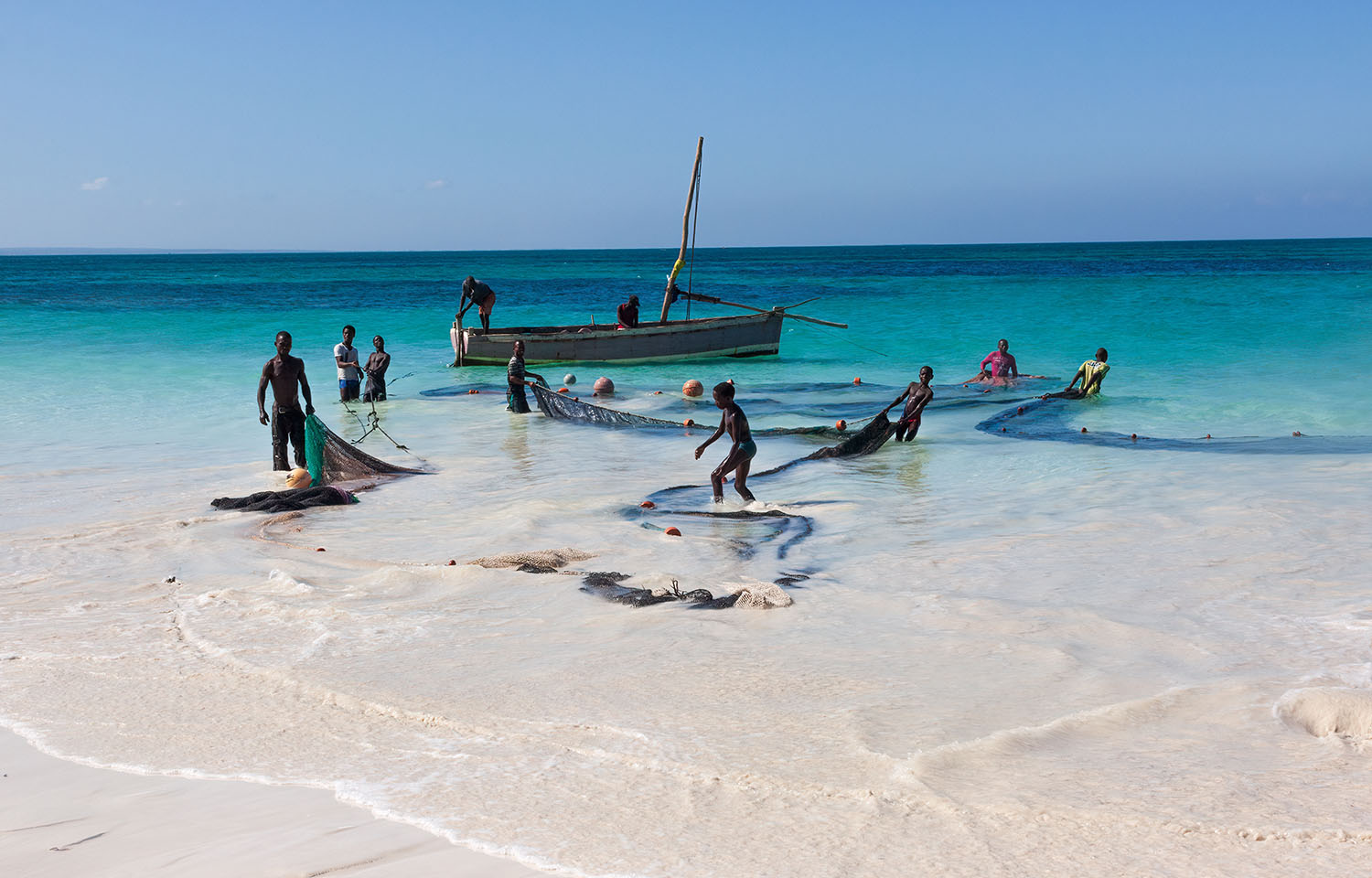
The decade-long case was called “the most egregious corruption offense of the decade” by anti-corruption experts. The scandal involved deals between state-owned companies in Mozambique and Lebanon and U.A.E.-based shipbuilding company Privinvest to develop the country’s seafood industry. Mozambique, through a state-owned entity called Empresa Moçambicana de Atum (EMATUM), was part of a scheme that saw Credit Suisse use U.S. wires and the U.S. financial system to defraud investors in securities related to EMATUM.
For its role in the scandal, Credit Suisse was forced to pay penalties of over USD 500 million (EUR 462 million) in a coordinated global resolution with the U.S. Securities and Exchange Commission, the U.K. Financial Conduct Authority, and an enforcement action by Switzerland’s Financial Market Supervisory Authority. The U.S. Department of Justice also targeted Credit Suisse, with the financial firm pleading guilty to wire fraud conspiracy in October 2021.
Mozambique subsequently sued the companies involved with the scandal, including Privinvest and Credit Suisse. The day before a high-profile civil trial between Mozambique and Credit Suisse was set to start in October 2023, the country and the company reached a resolution which saw UBS – which purchased Credit Suisse in June 2023 – forgive part of a loan of less than USD 100 million (EUR 92 million) that Credit Suisse made to Mozambique in 2013.
Privinvest did not join the settlement, and tried to involve Mozambique President Filipe Nyusi in the lawsuit, but a London High Court ruling found that as a head of state, he was immune from any jurisdiction of the court.
Privinvest allegedly paid bribes to Mozambican officials to secure contracts for equipment and services, which in turn benefitted the company. It secured both loans and bonds from banks including Credit Suisse for fishing boats backed by state guarantees.
"Mozambique was hustled to buy what it couldn't use properly and didn't need and wasn't prepared for. The chances of choices being made that were good for Mozambique and its people, or sustainable, were eroded at every turn," Knowles said.
Throughout the process, hundreds of millions of dollars went missing, and when the extent of the problem came to light, the International Monetary Fund temporarily halted support of the country, causing a currency collapse in Mozambique.
"The scale and nature of what was able to happen in this case presented systemic threat to Mozambique's economy. Its relationship with the IMF was tangibly damaged for a period," Knowles said in his ruling.
Knowles was also sharply critical of how banks handled the crises and the damage that it caused to Mozambique.
“On the banking side, the opportunity was there to show what banking could do. To focus on how banking could help and enable a nation and its people. But the opportunity was not taken, and that is nothing short of a tragedy,” Knowles wrote. “The focus was instead on what banking could make out of Mozambique, alongside others looking to do the same.”
Mozambique’s former financial minister, Manuel Chang, was extradited from South Africa to the U.S. to face trial, and at least 19 Mozambique officials have been arraigned for their involvement in the scandal. Knowles wrote in his findings that criminal proceedings continue in the U.S.
Privinvest told Reuters that it plans to file an appeal against the findings.
