
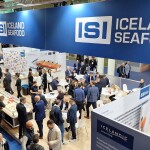


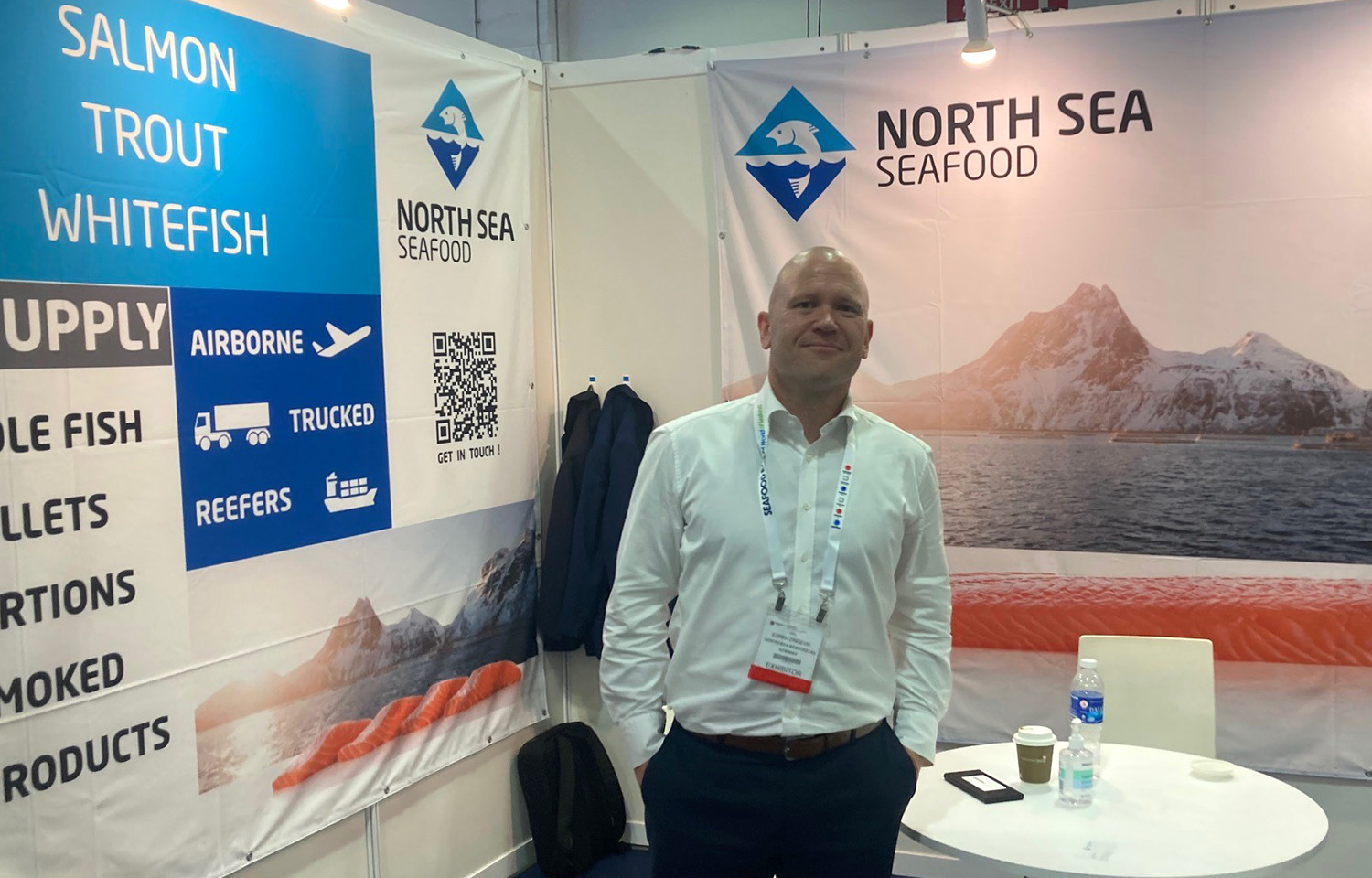
North Sea Seafood is aiming for a bigger market share in Asia.
The Bergen, Norway-headquartered processor and trader of salmon, trout, and whitefish has grown quickly since it was founded in 2011, primarily selling into continental Europe.
But, North Sea Seafood COO Espen Engevik said the company has charted a path to further development through Asia, as well as North America.
“The last four years has brought massive growth for us, but as a bit of a younger company, for the time being, we are not the strongest in Asia; we've been building consistently over the last few years, and we're aiming to take a bigger market share here,” Engevik told SeafoodSource at the 2024 Seafood Expo Asia, taking place in Singapore from 4 to 6 September. “It's important for us to be in Asia because as we've grown, we need to expand our markets.”
North Sea Seafood has set Vietnam, Japan, Singapore, and Malaysia as its primary targets. Engevik said his company’s product offerings align well with regional preferences and trends.
“You see salmon skin as a commercial product here; you see all of these bits and pieces of the fish being used, and I think that corresponds very well with what we want to do – use everything,” he said. "In regard to value-added, there is a lot of production-grade fish that needs to be handled in Norway right now, which created the position for us that we could utilize to take more space."
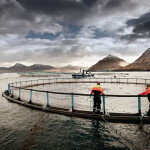
North Sea Seafood operates a filleting and value-added facility in Bodø, Norway, which allows the company to provide a flexible range of product offerings – “pretty much whatever the customer wants,” according to Engevik. Currently, it primarily deals in salmon.
“Salmon is a very good match for the Asian market, especially for us because we're already in a position where we use everything from the fish – the heads, the backbones … the only thing we don't have a commercial program for is intestines and blood, so very little is left of the fish. Asia offers the opportunity to handle bigger sizes of fish and frozen products,” Engevik said. “The main volumes moving out of Norway are still fillets, so we're not so close to the consumer yet. I also think especially if you’re sending fresh products by air, value-added products have got a lower carbon footprint compared to shipping the entire fish and all the ice it requires. So, it's more efficient, and it’s an opportunity we can introduce the market to.”
Engevik said North Sea Seafood’s Asian customers are among its most reliable.
“We find it to be a very predictable business, as long as you meet on price and quality,” he said.
Engevik said he doesn’t view the exchange occurring between his company and the Asia region to be a one-way transaction, though.
“The food culture in Asia is extremely advanced when it comes to seafood,” Engevik said. “We should probably learn a bit more from the Asian way of doing things.”
