




Peru’s seafood exports reached USD 4.27 billion (EUR 3.58 billion) in 2025, marking an increase of 16.5 percent from the previous year, the nation’s Production Ministry (PRODUCE) reported.
The increase was led by higher exports of anchovy, tuna, and squid. The country’s heavy hitter is anchovy, which is used in the production of up to 20 percent of the world’s fishmeal and fish oil. Landings of that biological resource reached 4.63 million metric tons (MT) in 2025, rising 3.2 percent from 2024 and ranking among the highest recorded in the last five years.
Landings of giant squid jumped 252 percent, and exports increased by 211 percent in 2025, PRODUCE Minister César Quispe said without providing specific figures. Likewise, catch of tuna expanded 193 percent, with a 32.1 percent growth in exports.
“These results just go to demonstrate our country’s enormous fishing potential and the importance of working in a sustainable way,” he said.
PRODUCE also highlighted a number of regulatory advances that Peru achieved in 2025.
The country’s National Fisheries Policy for 2040 – enacted under Supreme Decree No. 012-2025-PRODUCE – establishes guidelines aimed at increasing the seafood sector’s contribution to national GDP from 0.75 percent to 1.29 percent. PRODUCE estimates that the move will increase trade by as much as USD 467 million (EUR 391 million) per year, bringing along with it an additional 64,000 direct and indirect jobs linked to the fishing sector.
Additionally, the new Fisheries Management Regulation for giant squid was approved under Supreme Decree No. 003-2025-PRODUCE, establishing provisions for the extractive activity of the resource, with emphasis on artisanal fishing and sustainable development.
The Production Ministry also said it performed 163,134 inspections of the sector in 2025, of which 3,572 joint operations were carried out in coordination with the General Directorate of Captaincies and Coast Guard (Dicapi), the National Police of Peru, and the Public Prosecutor's Office (FEMA), as well as customs, municipalities, and regional governments.
Six unmanned aerial vehicles, equipped with thermal sensors and night vision, were incorporated last year to aid PRODUCE in its inspections, while 16 additional video surveillance cameras were installed in main fishing ports throughout the country. Around 1,100 fishing vessels installed the government-required SISESAT Satellite Tracking System.
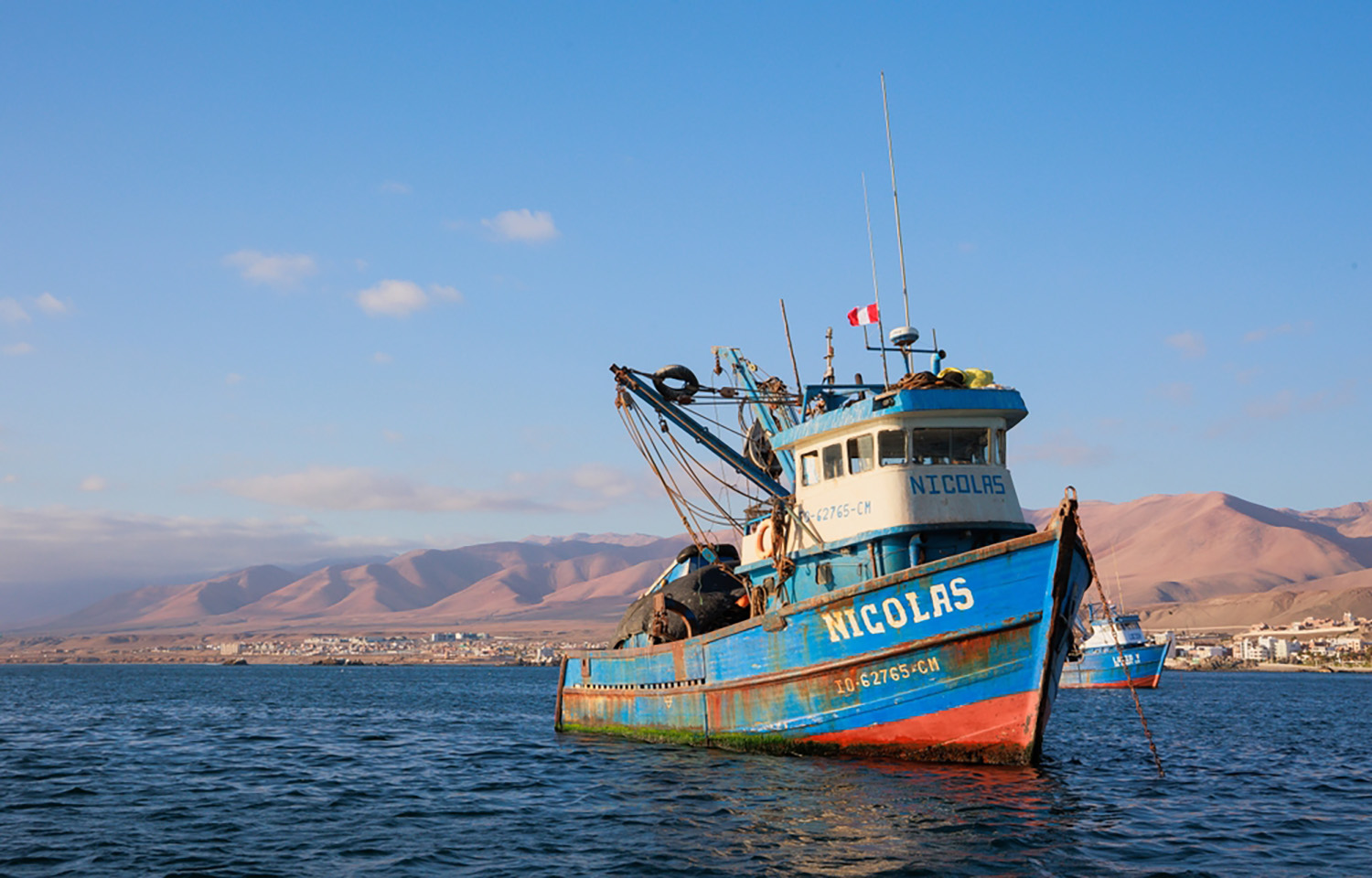
PRODUCE also reported progress in the consolidation of the national fleet that fishes on the high seas. The number of vessels registered under the South Pacific Regional Fisheries Management Organization (SPRFMO) reached 662 at the end of 2025, of which 557 correspond to artisanal fishing. This compares to just 136 registered vessels, 42 of which were considered artisanal, in April 2024.
With this increase, Peru has become the second-largest fishing fleet registered in the SPRFMO registry, strengthening its participation in extractive activity in international waters and in regional fisheries governance spaces while also positively impacting the national economy and reinforcing food security, PRODUCE said.
