




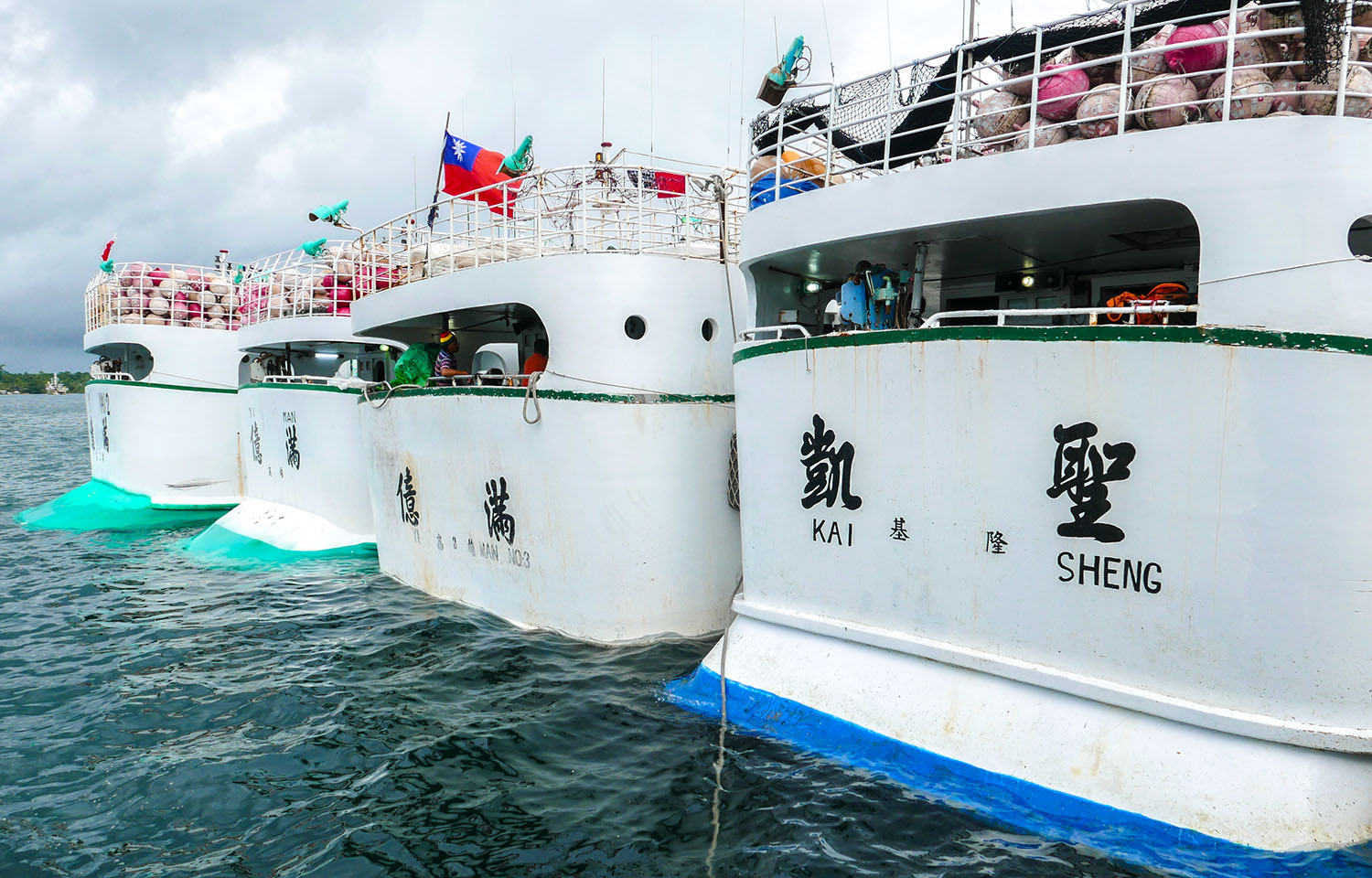
Taiwan’s fishing industry is wary about installing Wi-Fi internet access on distant-water fishing vessels, claiming it could create potential management issues and safety hazards.
The Global Labor Justice-International Labor Rights Forum (GLJ-ILRF) has led a campaign calling on the Taiwan Fisheries Agency, as well as global seafood brands and retailers, to ensure that Wi-Fi is installed on Taiwanese vessels.
Taiwan Tuna Association spokesperson Tony Lin said his organization is taking a slow approach to Wi-Fi installation due to concerns it could be disruptive to onboard working conditions. The industry is not opposed to Wi-Fi but is working out how to do so while ensuring their crews “feel at ease while working.”
“What the industry cares about is how to allow crews to care for their families and work on the ship with peace of mind because the salary earned from work can really improve the lives of their families,” Lin told SeafoodSource. “It is also difficult to support offshore fishing vessels and the management energy on board is limited. If crew members are excessively worried about their home situation, it may seriously hinder their work mood or even lead to occupational disasters or disputes.”
Lin said the Taiwanese fleet is working to install Wi-Fi onboard vessels for telemedicine use only by 2025 while developing protocols between Taiwan and the countries of origin of crewmembers regarding health and safety issues. He said the Taiwan Fisheries Agency is pushing a series of government-backed measures that will make broad improvements to health and safety measures onboard distant-water fishing vessels.
“We recommend that the government budget can be used to strengthen seafarers’ occupational safety and health training, as well as comprehensive improvement of the maritime safety operating environment,” he said.
The agency is also asking the government for help in training fishers to use communication software prior to the broad deployment of Wi-Fi across its fleet.
It said a messaging app developed by the National Fisheries Workers Union of Indonesia (SPPI) is a good example of what might work for its fleet, with crew “who are qualified and trained by SPPI” to access the app permitted to use the Wi-Fi.
Lin said full Wi-Fi deployment across the fleet won’t happen until at least 2026, after all crew members are “qualified and trained.” The implementation of onboard grievance mechanisms onboard each vessel will be completed in conjunction with the creation and implementation of management guidelines for the use of digital communications at sea, Lin said.
“The industry cares more about the well-being of the crew than the NGOs because if there is Wi-Fi to make the crew happy at work, they will work harder,” Lin said.
