
A fund set up by the World Trade Organization (WTO) to help developing countries adapt to an agreement on curbing harmful fishing subsidies has handed out nearly USD 3 million (EUR 2.54 million) in its first tranche of grants.
The grants aim to help nations meet the stipulations of a deal originally signed by WTO members in 2022 to prohibit global subsidies that support vessels engaging in illegal, unreported, and unregulated (IUU) fishing activities, fishing overfished stocks, and operating on the unregulated high seas.
To help developing coastal nations meet the goals laid out in the agreement, the WTO opened a USD 15.5 million (EUR 13.2 million) fund intended to help countries with technical assistance, such as building up their fisheries data collection infrastructure.
During a meeting in November 2025, the WTO Fish Fund Steering Committee approved 26 project grant requests to support developing and least developed member nations in implementing the agreement, which entered into force last September.
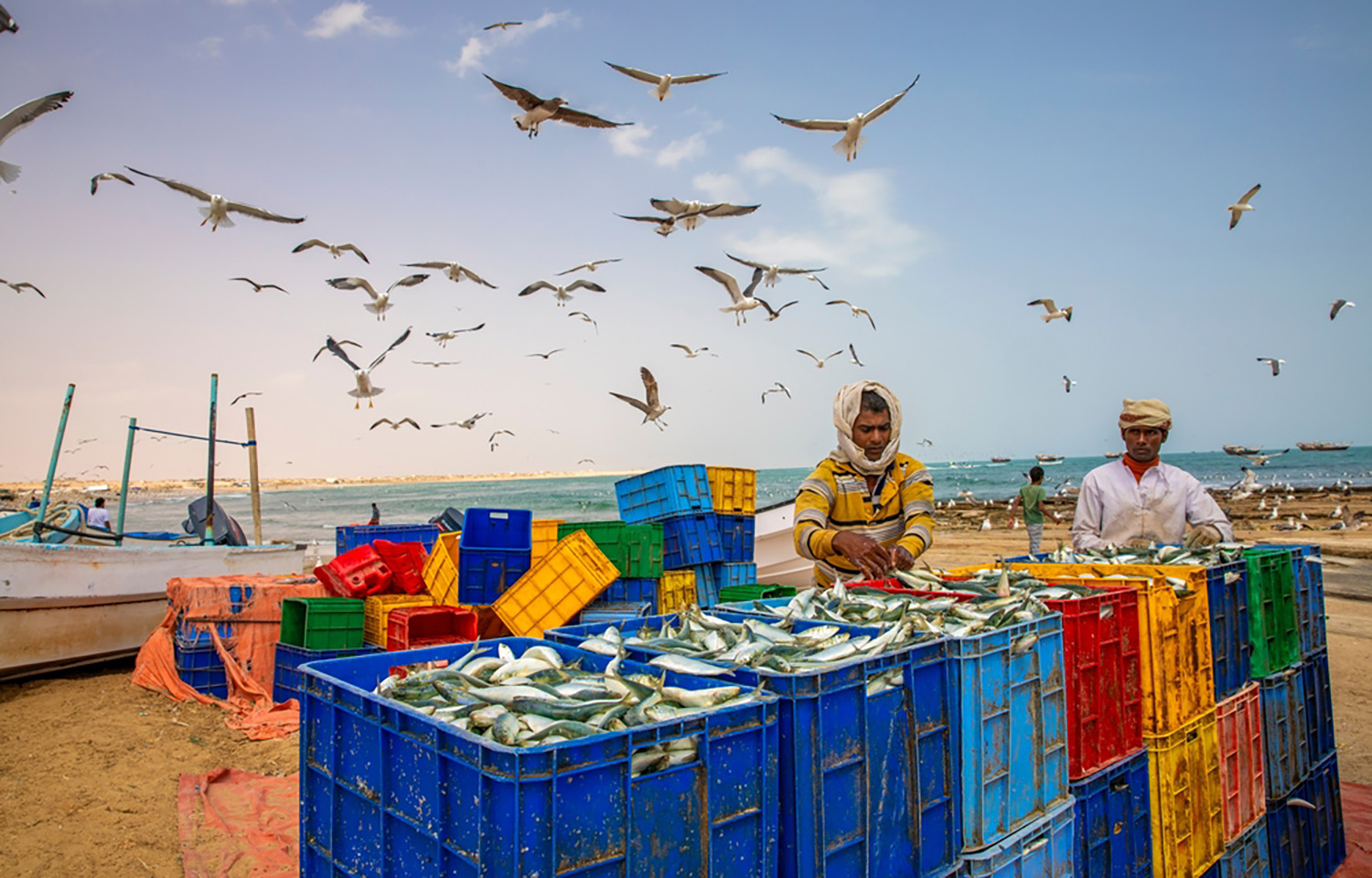
Among the first recipients was Oman, which applied for funds to pay a consultant to conduct a needs assessment of its fishing industry in regards to complying with the agreement.
“Oman applied and was awarded a grant,” said Jonathan Werner, the manager of the WTO’s Fisheries Funding Mechanism Trust Fund. “All developing and least developed WTO members that have deposited their instruments of acceptance of the agreement are eligible.”
Contributors to the fund include the E.U. and U.S., both of which have the ability to challenge the decision of granting Oman funds, as it is a high-income nation self-identified as a developing nation within the WTO.
“At the WTO, members self-identify as ‘developed’ or ‘developing,’ and other members can challenge this decision,” Megan Jungwiwattanaporn, an officer at The Pew Charitable Trusts, told SeafoodSource. “It is worth noting that Oman, while high income, is still listed as a developing country by the United Nations.”
Regardless of the decision the E.U. or U.S. may make on the matter, Werner said that his office is preparing to make a second call for grant proposals under the Fish Fund in early February.
Among the other countries seeking grants from the fund are Gabon and Haiti, which have sought grants for advisors to identify legal and technical gaps in combating IUU fishing off their coasts. Additionally, Nigeria’s Institute for Oceanography and Marine Resources has requested USD 49,500 (EUR 41,950) to assess the state of the country’s fisheries governance system. Kenya’s Department of Blue Economy and Fisheries has similarly sought USD 49,500 from the Fish Fund to “identify gaps in legislative framework” and to “assess technical needs, resources, and expertise.”
