



TJ Tate is the director of seafood sustainability for Gulf Wild, a nonprofit organization based in Florida that supports U.S. fishermen in the Gulf of Mexico. She was also the winner of the Vision category for SeaWeb’s 2015 Seafood Champion Awards. In addition to her duties at Gulf Wild, Tate also works as director of seafood sustainability for the National Aquarium in Washington D.C. and is developing a new seafood program for the aquarium called Seafood Smart.
SeafoodSource: Explain a bit about the Gulf Wild brand, including what fish or seafood it covers and who you’re working within the fishing and supplier community.
Tate: The Gulf Wild brand is all based upon conservation. It began as a fisherman-first initiative working directly with commercial fishermen to enable them to be the best stewards of the resource while ensuring access to key market places for their catch. It is a program created, developed and implemented by fishermen for fishermen, but also for each part of the seafood supply chain.
We worked with distributors, retailers, NGOs and chefs to get a sense of their needs and what could provide a realistic turning point in their marketplaces. It always came down to a brand that hit the triple bottom line consisting of conservation, quality and traceability.
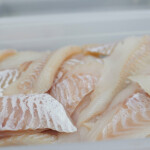
We work with fishermen and communities in all five Gulf states, but our primary offloading facilities are in John’s Pass, Florida, and Galveston, Texas. Outside of the Gulf, our brand can be traced to 48 states throughout the United States. We have chosen to work with seafood suppliers throughout the United States that work on the same higher plain regarding their seafood ethos. By strategically working with certain liked-minded companies, we established nationwide coverage for our conservation-based, traceable seafood. We focus primarily on the grouper/tilefish complex and, of course, red snapper. However, to ensure we minimize bycatch, our captains keep every “legal” fish that comes over the rail. Our suppliers have eagerly accepted this change and have all become true champions of utilizing bycatch species.
SeafoodSource: How has the program grown and changed since its inception?
Tate: We are in a constant state of evolution. We started as a “trackable” program with eight different fish. Now we are a full-scale traceability program with a strong back-end operating system designed in house called the TransparenSEA system. We have grown the system to include 28 different finfish and also shellfish. The system is continually evolving to ensure we first take care of our hardworking commercial fishermen and ultimately the seafood-loving consumer.
SeafoodSource: What have been the biggest challenges for Gulf Wild and what have you learned from this experience?
Tate: We have not been without our fair share of challenges. Some commercial fishermen are still hesitant to sign any document, much less one that is titled a conservation covenant. The other challenge, honestly, is the tagging system itself. The tag needs to be user-friendly from the dock to the end user. We keep inventing new ways for the tagging system to work based on the latest technologies and that just takes time, research and development and patience.
SeafoodSource: What is the key to continued growth and success for Gulf Wild and responsibly harvested, traceable seafood?
Tate: Our fishermen! Commercial fishermen committed to excellence and pride of their product is what keeps us going strong. These guys work really hard to make a good living and provide for their families. Gulf Wild helps them do just that.
On the flip-side, the consumer is now demanding Gulf Wild. Consumers have become much more engaged in seafood sustainability on all fronts and they want to know more, learn more and eat better (and be sure they know what they are eating). We continually have to look back to that triple bottom line of conservation, quality and traceability.
SeafoodSource: Looking at the broader seafood industry as a whole, what are the top one or two issues facing the industry that directly impact your business and what are some of the solutions you would offer to address those issues?
Tate: There are often times too many "cooks in the kitchen” and not enough fishermen. As an industry, we have been working hard for years to get consumers engaged in seafood issues and in doing so, we have confused them. Consumers are too often choosing not to choose when it comes to seafood because they have concerns and questions. As an industry, we threw a lot of things out for the consumer over the past 10 years to see what might really stick.
Also, as an industry, we have found some real solutions in traceability, sound management and collaboration. However, our industry can’t continue to work in silos, each doing our own things. What works in Hawaii, for example, might not work in the Gulf or vice versa, but working together and learning from each other helps all fishermen, fisheries, government, NGOs, chefs, retailers, distributors and ultimately, consumers. The consumer holds a lot of power.
We applaud like-minded people working together to share innovation, technology and basically what works and what doesn’t. But somehow through all that sharing, the fishermen still get left out of the equation.
SeafoodSource: As the winner of a Seafood Champion Award, you may have already done this, but given the opportunity to address a room filled with seafood industry leaders, what is the one nugget of wisdom you would offer them as your closing remark?
Tate: Ask a fisherman! Sure, there are some crazy ones out there, but aren’t there also crazy CEOs of major corporations? Yet in the corporate world, the CEO is always included in planning, briefings, strategy sessions or certainly final decision-making. Well, commercial fishermen are CEOs in their own right. But many don’t have time to step away from the boat and sit in a room planning out the next few years for our nation’s fisheries. That’s why fishermen-led organizations can be such keys to great changes for our industry.
