






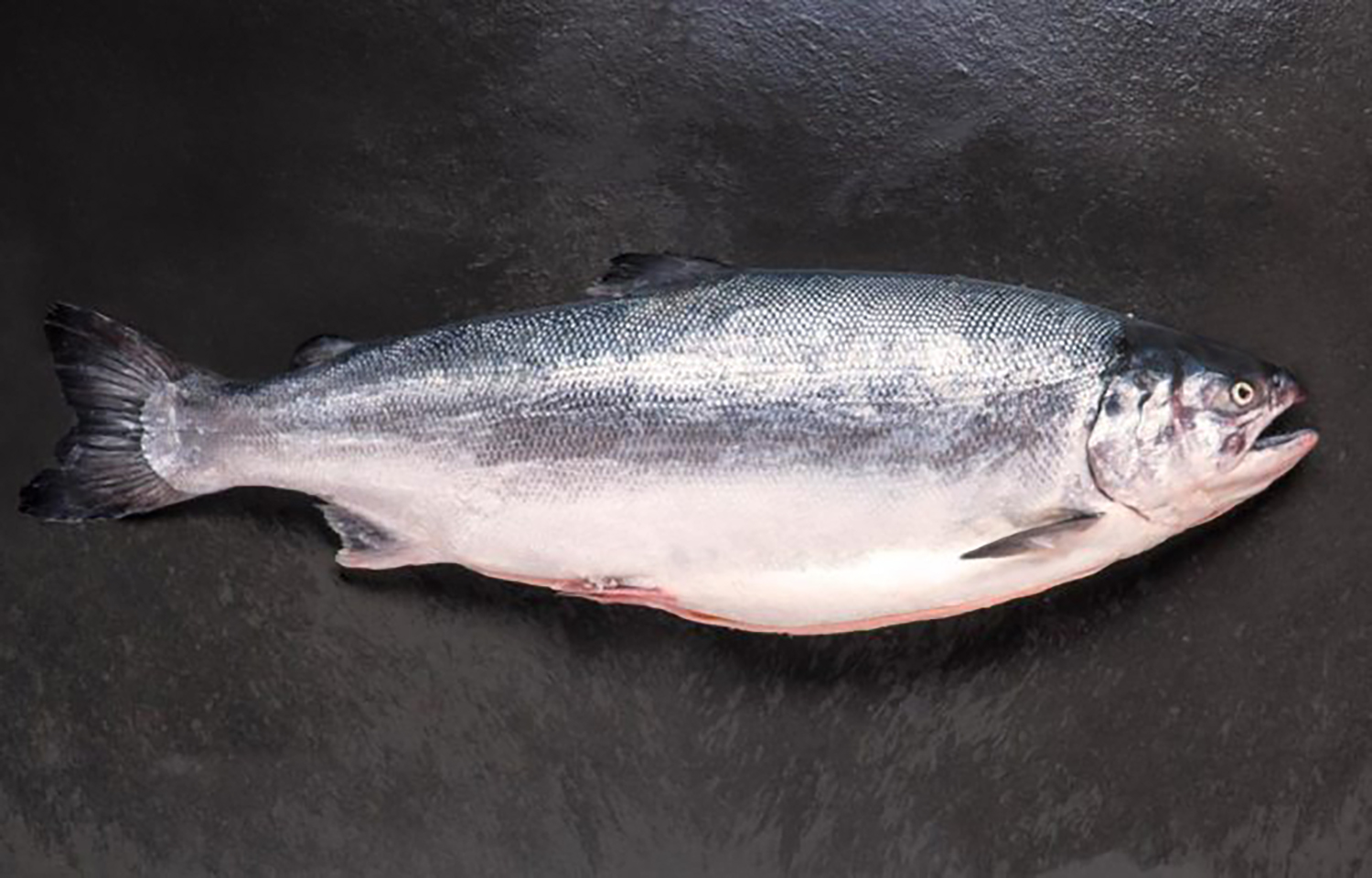
Puerto Montt, Chile-based salmon-farming firm Invermar has launched full operations at its new recirculating aquaculture system (RAS) facility, which it has dubbed Aucha and which the firm defines as the country's first RAS facility custom-built for raising coho salmon.
Invermar – which rebranded last year to better reflect its focus on sustainability and innovation – said that in designing the RAS unit specifically for coho salmon, it will prevent health and quality issues that can be associated with adapted systems originally designed for the production of Atlantic salmon.
“We didn't just build a new facility; we engineered a commercial advantage for our customers,” Invermar Commercial Director Felipe Rojas said in a release.
The facility has been operational for nearly three years, and that time has allowed Invermar to refine its processes and effectively handle its first full-scale batch of 1.6 million coho smolts. It has environmental authorization for the production of 660 metric tons of biomass, and there are plans for future expansion to increase capacity to meet global demand, Invermar said without specifying amounts.
The company noted that this investment in the facility’s precision aquaculture capabilities – whereby smolts are grown in individualized RAS (iRAS) tanks, with each tank having its own dedicated biofilter for superior control – will translate into higher product consistency, robust skin quality, and reliable supply.
With a higher-quality product, the company is looking to drive international sales.
“The market for coho is expanding dramatically. It’s not just one market; we are seeing significant traction in North America, Southeast Asia, Latin America, and key European centers,” Rojas said. “RAS gives us the precision and stability to grow coho well into the future, ensuring we are the preferred supplier of the best possible salmon from the Patagonian region.”
The full-scale launch of the facility is part of a larger shift playing out in the Chilean aquaculture sector favoring coho production.
Because of a mucus coho naturally has on its skin, as well as stronger, tighter scales, it is typically immune to sea lice and the infectious salmon anemia (ISA) virus. Coho can also be harvested before Chile's summer, when the risk of algae blooms increases due to higher water temperatures, and the species also requires less time at sea, which is the period in the production cycle when the fish are most susceptible to disease.
Due to these benefits, several firms have committed to greater coho production in addition to Invermar.
Salmones Aysén has been fully committed to coho salmon production for years, and earlier this year, Marine Farm cut the ribbons on a 30,000-MT coho-processing plant. The Chilean Salmon Council has also partnered with government-run export promotion bureau ProChile in a drive to get French chefs to incorporate coho salmon onto their menus.
